- Thriving Guide
- Posts
- Core-Strengthening Pilates You Can Do at Home
Core-Strengthening Pilates You Can Do at Home
Build stability, balance, and flexibility right from your living room with these beginner-friendly Pilates moves and expert modifications.

Audrey Sawyer
January 22, 2026
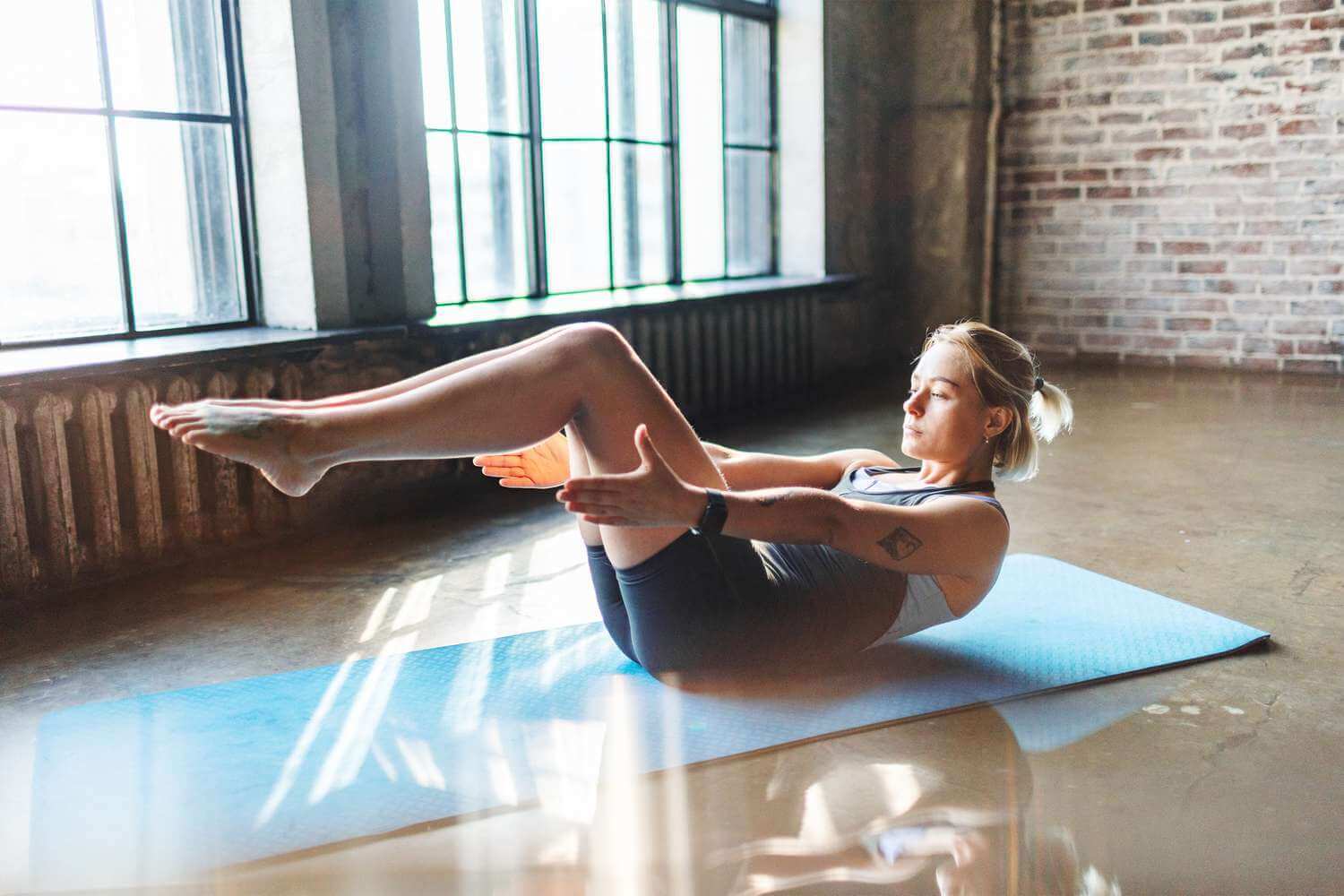
Pilates is one of the most effective low-impact workouts for building core strength, enhancing flexibility, and improving balance and you don’t need a gym membership or special equipment to get started. Whether you're new to fitness, easing back into exercise, or simply looking for a mindful movement practice, Pilates offers a range of at-home exercises tailored to all levels and abilities.
Why Pilates Works
Developed by Joseph Pilates in the early 20th century, Pilates focuses on controlled movements, alignment, breathwork, and core engagement. Your core what Pilates calls the "powerhouse" is the central hub of movement and stability, and strengthening it has widespread benefits.
A growing body of research supports Pilates as an effective way to:
Strengthen abdominal and back muscles
Improve posture and spinal alignment
Support weight loss and body composition
Relieve chronic pain
Improve balance and coordination
Beginner Pilates Exercises for Core Strength
These classic mat exercises target your abdominal muscles while promoting flexibility and body awareness. Aim to repeat each move 3 to 5 times, focusing on slow, precise movements.
The Hundred
Lie on your back with legs in tabletop position (knees bent 90 degrees).
Lift your head, neck, and shoulders, extend arms by your sides.
Pump arms up and down while inhaling for 5 counts, then exhaling for 5.
Continue for 10 full breath cycles.
The Roll-Up
Start lying flat with arms extended overhead, legs straight.
Slowly curl your upper body off the mat, reaching toward your toes.
Reverse the motion to return to the starting position.
Keep your core engaged and avoid jerking or using momentum.
Single-Leg Stretch
With your head and shoulders lifted, pull one knee into your chest.
Extend the other leg straight out, hovering above the floor.
Switch legs in a controlled "scissor" motion.
Repeat 8 to 10 times.
Double-Leg Stretch
From the same position, extend both arms and legs outward.
Return by pulling knees back to your chest and arms to your sides.
Maintain control and core engagement throughout.
Criss-Cross
Lie on your back with hands behind your head, legs in tabletop.
Bring one elbow toward the opposite knee as you extend the other leg.
Alternate sides in a bicycle-like motion, twisting through your core.
The Saw
Sit with legs wide and arms extended at shoulder height.
Rotate your torso to reach one hand toward the opposite foot.
Alternate sides with each rep, engaging your obliques.
Roll Like a Ball
Sit on the mat with knees bent and feet lifted, holding shins.
Curl into a ball and gently rock back and forth on your spine.
Maintain a rounded back and avoid throwing your weight.
Pilates for Balance and Stability
Incorporating balance-focused moves enhances core control and muscle coordination.
Standing Leg Balance
Stand tall and shift weight to one foot.
Lift the opposite knee to hip height and hold for 20 seconds.
Engage your core and keep shoulders relaxed.
Switch sides.
Side-Lying Swimming
Lie face down with arms and legs extended.
Lift your right arm and left leg simultaneously.
Switch sides in a slow swimming motion.
Perform for 30 seconds to one minute.
Pilates for Weight Loss
In addition to core strengthening, Pilates can support healthy weight management. A 2021 analysis found that Pilates reduced:
Body weight by 2.4 kg (about 5.3 pounds)
BMI by 1.17 points
Body fat by 4.2%
The key is consistency. Short Pilates sessions done a few times per week can lead to significant physical improvements over time.
Modifications and Special Considerations
Pilates is adaptable for people of all ages and fitness levels. Modifying exercises ensures safety and effectiveness, especially if you’re recovering from injury or managing chronic conditions.
For Older Adults
Pilates can help older adults improve mobility, strength, and balance without stressing the joints.
Try:
Mermaid Stretch: Sit with legs folded to one side and reach up and over, keeping the core active.
Side Leg Circles: Lie on your side and move your top leg in small circles, both directions.
A 2022 meta-analysis found that Pilates significantly improved balance and reduced fall risk in older adults.
Post-Surgery
Always consult your healthcare provider before starting Pilates after surgery. One study found that adding Pilates to standard rehab after knee replacement improved both balance and quality of life within six weeks.
For Chronic Pain
Pilates may ease symptoms for those with:
Chronic back pain
Neck pain
Knee osteoarthritis
Osteoporosis
Short, core-focused sessions 1–2 times a week were shown to reduce pain and disability, especially when done for at least three weeks.
Advancing Your Practice
As you gain strength, you can increase reps, incorporate props like resistance bands or light weights, or explore intermediate and advanced mat work. Some people also transition to using Pilates equipment like the Reformer, which offers resistance-based training for more dynamic movement.
Get Support at Home
If you're new to Pilates, consider guided resources:
In-person classes: Provide expert feedback and personalized instruction.
Online videos: Many free and subscription-based platforms offer classes from beginner to advanced, often with options for limited mobility or specific conditions.
Even 10–15 minutes a day can make a difference in your strength, balance, and body awareness.
Want more at-home fitness inspiration? Subscribe to our newsletter or share this with someone looking to strengthen their core.