- Thriving Guide
- Posts
- The Truth About Using Baking Soda on Your Hair
The Truth About Using Baking Soda on Your Hair
While it can strip away buildup and grease, using baking soda on your hair isn’t without risk here’s what you need to know before trying it.

Audrey Sawyer
December 15, 2025
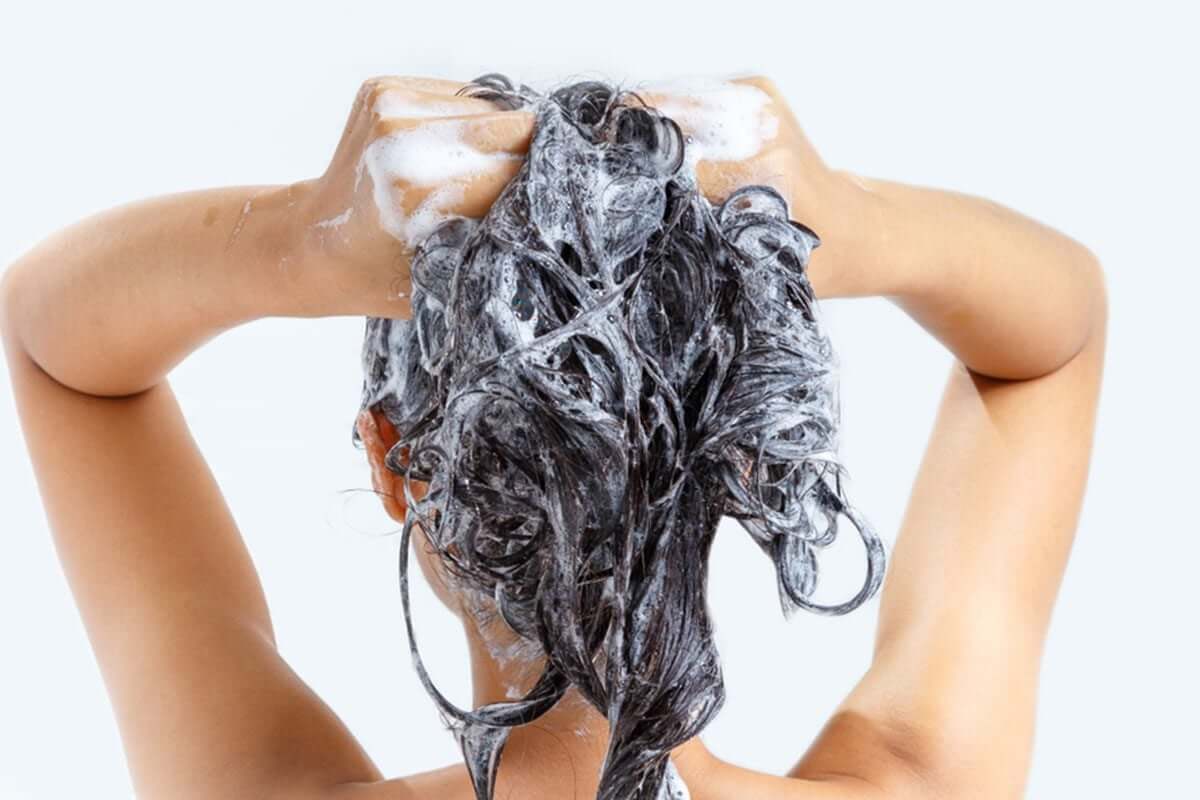
From natural hair care enthusiasts to DIY beauty bloggers, many people have touted baking soda as a miracle fix for greasy, dull hair. But is this kitchen staple really the scalp-saver it’s made out to be or could it be doing more harm than good?
Baking soda, or sodium bicarbonate, has long been praised for its ability to cut through oil and buildup. But its high pH and gritty texture mean it's far from gentle. So if you're thinking of swapping out your shampoo for a scoop of baking soda, here's what dermatologists and hair experts say you should consider first.
How Baking Soda Might Help Your Hair
Baking soda’s chemical structure makes it both alkaline and abrasive traits that help explain why it can cleanse and exfoliate the hair and scalp so effectively. Here are some ways it may help your hair:
Removes Oil and Product Buildup
Its alkaline pH (around 9.0) helps break down oils, silicones, and styling products, leaving hair looking cleaner and potentially shinier. Many people use it as a clarifying rinse to refresh heavy or greasy hair.Exfoliates the Scalp
Thanks to its fine, crystalline texture, baking soda acts like a gentle scrub. It can help slough off dry, flaky skin and reduce itchiness associated with a dry scalp.Fades Hair Dye
If you’re looking to lighten semi-permanent hair color or correct a dye job gone wrong, baking soda may gradually fade pigments when mixed with shampoo.Acts as a Dry Shampoo Substitute
Sprinkling a small amount onto the roots between washes can help absorb oil and reduce odor without the additives found in many commercial dry shampoos.Antibacterial and Antifungal Properties
While evidence is limited, some claim that baking soda may help reduce fungal overgrowth on the scalp, potentially helping with dandruff caused by yeast.
But There Are Risks And They're Not Minor
Despite its potential perks, using baking soda on your hair is not without downsides especially with regular use.
It’s Extremely Drying
Hair has a naturally acidic pH (around 3.6), while the scalp is closer to 5.5. Baking soda’s pH is 9.6, which can strip natural oils, causing dryness, dullness, and increased frizz.May Cause Breakage
The abrasiveness of baking soda can roughen the hair shaft, making it more prone to split ends and breakage especially for textured, chemically treated, or already damaged hair.Irritates Sensitive Scalps
People with sensitive skin, eczema, or psoriasis may find baking soda too harsh, leading to redness, burning, or itching.Lack of Scientific Support
Many of the benefits of baking soda for hair are based on anecdotal evidence. There's limited scientific data supporting its use as a safe or effective hair treatment.
How to Use Baking Soda on Hair If You Choose To
If you're still curious about trying it, here’s how to do it safely:
Start with a diluted solution: Mix 1 tablespoon of baking soda with 1 cup of warm water. Apply to wet hair, massage gently, then rinse thoroughly.
Or mix with shampoo: Combine 1 tablespoon of baking soda with your regular shampoo for a deeper cleanse.
Limit use: Use this method no more than once every 1–2 weeks to prevent over-drying.
Optional add-ins: Consider adding a few drops of aloe vera, jojoba oil, or coconut oil to help offset the dryness.
What About Apple Cider Vinegar Rinses?
Some people pair baking soda with apple cider vinegar (ACV) to "balance" the scalp's pH. While ACV is acidic (pH 2–3) and may have antifungal properties, there's no strong evidence that this combo balances hair pH or provides long-term benefits. In fact, overuse of both can lead to more damage.
Safer Alternatives to Baking Soda for Hair
If your goal is cleaner, shinier, or less greasy hair without the side effects, you may want to try these gentler options:
Clarifying shampoos: These are designed to remove buildup and excess oil but should be used no more than once a week.
Coconut oil: Rich in fatty acids, coconut oil can protect the hair shaft and reduce protein loss.
Aloe vera: Its soothing and hydrating properties help calm irritation and reduce dandruff.
Tea tree oil: This essential oil has antimicrobial effects and may help fight flakes and fungal growth.
Natural shampoos: Look for sulfate-free, paraben-free options with ingredients like argan oil, shea butter, and chamomile.
The Bottom Line
Baking soda may be a budget-friendly DIY fix for hair that's weighed down by buildup—but it's not a one-size-fits-all solution. While some people swear by its cleansing power, the high pH and abrasive texture can cause more harm than good, especially for dry or color-treated hair.
Try it sparingly, watch how your hair responds, and when in doubt, opt for milder alternatives that support your hair’s health long-term.
Want more practical tips for natural hair care and scalp health? Subscribe to our newsletter for weekly insights.