- Thriving Guide
- Posts
- The Health Benefits Behind Every Banana Color
The Health Benefits Behind Every Banana Color
From green to speckled brown, each stage of a banana’s ripeness offers unique nutritional advantages.

Audrey Sawyer
December 03, 2025
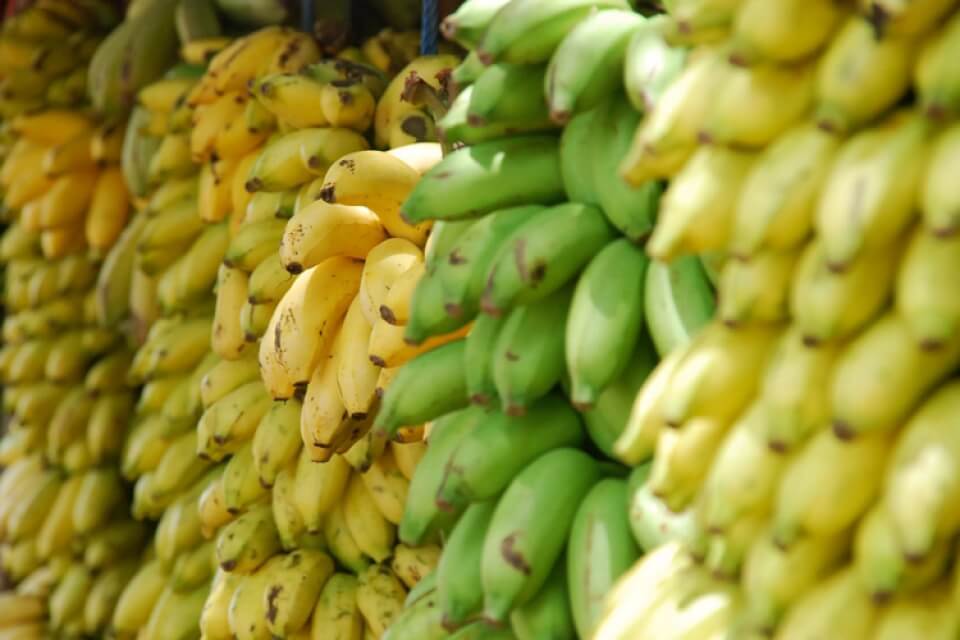
Bananas may seem like a simple snack, but the truth is what you see on the outside says a lot about what’s happening on the inside. From firm and green to soft and sweet with brown spots, bananas change dramatically in both taste and nutritional profile as they ripen. And depending on your health goals whether you're managing blood sugar, seeking more antioxidants, or looking for a quick energy boost one stage might serve you better than another.
Here’s what the color of your banana can tell you about its benefits, and how to choose the right one for your body’s needs.
The Four Stages of Banana Ripeness
While bananas go through many subtle changes as they ripen, there are four main stages to know:
Green (Unripe)
Green-Yellow (Slightly Ripe)
Yellow (Ripe)
Brown-Spotted (Overripe)
Let’s break down what each stage means for your nutrition.
1. Green: Best for Blood Sugar and Gut Health
Green bananas are firm, slightly bitter, and not very sweet because they’re packed with resistant starch, a unique type of carbohydrate that your body doesn’t digest in the small intestine. Instead, it acts like fiber, feeding beneficial gut bacteria and slowing down glucose absorption.
Health highlights:
Low in sugar
High in resistant starch
May support healthy blood sugar regulation
Promotes satiety and digestive health
A 2021 study in Nutrients found that resistant starch may help improve insulin sensitivity and support a healthy gut microbiome. For people aiming to manage blood sugar or reduce cravings, green bananas can be a smart, fiber-rich option.
2. Green-Yellow: Balanced Energy with Potassium Perks
Slightly ripe bananas (yellow with a bit of green) offer the best of both worlds. As they ripen, resistant starch begins to break down into simple sugars, making the banana mildly sweet and easier to digest without the sugar spike of a fully ripe fruit.
Why choose this stage:
Moderate sugar content
Still contains prebiotic fiber
Potassium and iron may peak at this stage
Gentle on digestion
Potassium is essential for heart function and blood pressure regulation, and a medium banana provides around 375 mg of potassium, about 10% of your daily needs.
3. Yellow: Best for a Quick Energy Boost
By the time a banana turns fully yellow, it’s sweeter and softer, as most of the starch has turned into natural sugars like glucose and fructose. This makes it a perfect source of fast-digesting carbs ideal for a pre-workout snack or when you need quick fuel.
Nutritional benefits:
Fast energy from simple carbs
Easier to digest than unripe bananas
Antioxidant levels begin to rise
Yellow bananas also contain rising levels of flavonoids and carotenoids, antioxidants that may help protect cells from oxidative stress and inflammation.
4. Brown-Spotted: Peak in Antioxidants, But Highest in Sugar
When a banana starts developing brown spots, it’s at its most overripe and its sweetest. While most of the resistant starch is gone, antioxidant content peaks at this stage.
Why it’s still worth eating:
Highest antioxidant content
Soft texture for baking and smoothies
Easy to digest, especially for sensitive stomachs
However, with up to 18 grams of sugar per medium banana, this stage may not be ideal for those managing blood sugar. That said, these bananas are perfect for naturally sweetening baked goods or blending into smoothies.
Nutritional Snapshot: One Ripe Medium Banana
Regardless of color, many key nutrients remain steady. Here's what you get in an average ripe banana:
Calories: 113
Carbohydrates: 24 g
Sugar: 18 g
Fiber: 2 g
Potassium: 375 mg
Vitamin B6: 0.24 mg (15% DV)
Vitamin C: 14 mg (15% DV)
Magnesium: 32 mg
Bananas are also naturally fat-free and cholesterol-free, making them a heart-healthy and portable snack.
So, Which Banana Is Best for You?
For blood sugar stability or gut health: Go green
For balanced energy and nutrient density: Choose green-yellow
For quick energy and digestibility: Pick yellow
For antioxidants and baking: Go brown-spotted
The best banana depends on your goals and thankfully, there's no wrong choice. Whether you’re topping your oatmeal, baking banana bread, or grabbing a pre-gym snack, there's a perfect banana stage for every purpose.
Enjoyed this breakdown? Share it or subscribe to our newsletter for more practical wellness tips.