- Thriving Guide
- Posts
- Banish Humidifier Gunk For Better Air Quality
Banish Humidifier Gunk For Better Air Quality
Cleanliness is key to reaping the full benefits of humidifiers.
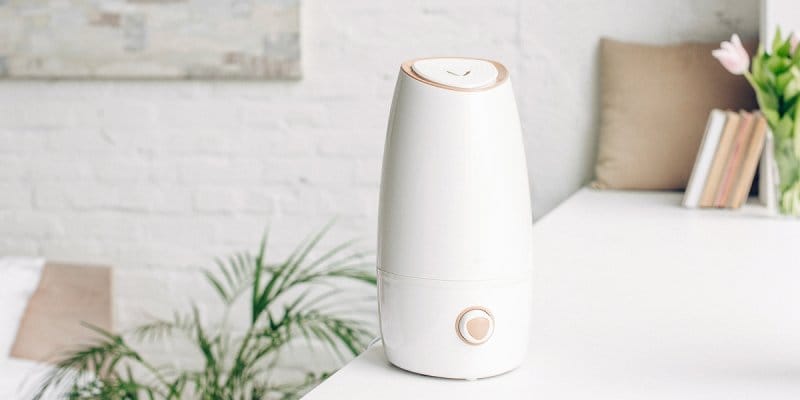
The Silent Threat Lurking in Your Humidifier
As winter settles in, many of us rely on humidifiers to combat dry air, alleviating everything from chapped lips to irritated sinuses. However, this helpful appliance can quickly become a breeding ground for mold, bacteria, and mineral buildup if not properly maintained. These contaminants can then be dispersed into the air, potentially triggering allergies, asthma, or even infections. At ThrivingGuide, we believe informed wellness is empowered wellness. Don't let your humidifier become a detriment to your health. Here's how to ensure it's contributing to a healthier home environment.
Why Regular Cleaning Matters
Humidifiers create a moist environment, which is ideal for microbial growth. Stagnant water in the reservoir provides the perfect conditions for bacteria and mold to thrive. Mineral deposits from hard water can also accumulate, reducing the humidifier's efficiency and providing further nooks for microbes to hide. Neglecting regular cleaning can lead to:
- Poor air quality: Releasing harmful contaminants into your home.
- Reduced humidifier performance: Clogged components and decreased moisture output.
- Potential health issues: Triggering allergies, asthma, or respiratory infections.
A Step-by-Step Guide to a Sparkling Clean Humidifier
Follow these simple steps to keep your humidifier clean and functioning optimally:
Daily Maintenance: The Foundation of Cleanliness
Empty the humidifier's tank daily and refill it with fresh, distilled water. Distilled water contains fewer minerals than tap water, minimizing buildup. Wipe down the tank and other removable parts with a clean, dry cloth.
Weekly Deep Cleaning: Eradicating Microbes and Mineral Deposits
- Unplug the humidifier: Safety first!
- Disassemble the humidifier: Remove all detachable parts, such as the tank, reservoir, and any filters.
- Clean with vinegar: Fill the tank and reservoir with undiluted white vinegar. Let it sit for at least 30 minutes (or up to a few hours for stubborn buildup). Vinegar's acidity helps dissolve mineral deposits and kill bacteria.
- Scrub thoroughly: Use a soft brush or cloth to scrub all surfaces, paying close attention to crevices and hard-to-reach areas.
- Rinse thoroughly: Rinse all parts thoroughly with clean water until the vinegar smell is completely gone.
- Disinfect: For an extra layer of protection, disinfect the parts with a diluted bleach solution (1 teaspoon of bleach per gallon of water). Let it sit for 10 minutes, then rinse thoroughly. Important: Never mix vinegar and bleach, as it creates toxic fumes.
- Dry completely: Allow all parts to air dry completely before reassembling the humidifier.
Filter Care: Replacing or Cleaning as Needed
Check your humidifier's filter regularly. Replace disposable filters according to the manufacturer's instructions. For reusable filters, clean them according to the manufacturer's guidelines, typically involving rinsing with water or soaking in a vinegar solution.
Pro Tips for Humidifier Hygiene
- Location matters: Place your humidifier on a hard, water-resistant surface to prevent moisture damage.
- Monitor humidity levels: Use a hygrometer to ensure your home's humidity levels stay between 30% and 50%. Too much humidity can promote mold growth.
- Consider a UV humidifier: Some humidifiers feature UV light technology, which can help kill bacteria and viruses in the water.
A clean humidifier is a healthy humidifier. Prioritizing regular maintenance will not only extend the lifespan of your appliance but also contribute to a healthier and more comfortable home environment.
By following these simple steps, you can breathe easy knowing your humidifier is working to improve your air quality, not compromise it. Stay well!
For more insights on self-care, subscribe to our newsletter.