- Thriving Guide
- Posts
- How Regularly Eating Bean Sprouts Affects Your Health
How Regularly Eating Bean Sprouts Affects Your Health
A rich, tangy-sweet Filipino classic made easier and faster in the Instant Pot.

Audrey Sawyer
December 30, 2025
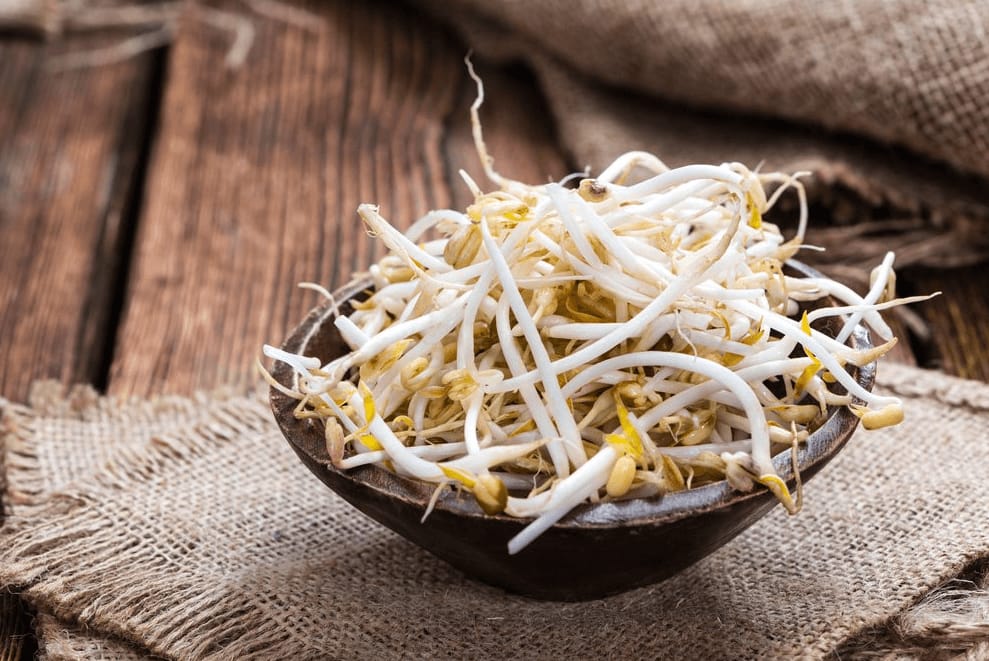
Crunchy, refreshing, and surprisingly nutrient-packed, bean sprouts are often overlooked in favor of flashier superfoods. But these humble shoots whether from mung beans, soybeans, lentils, or alfalfa offer an impressive array of health benefits when eaten regularly. If you're looking to support your digestion, balance blood sugar, and strengthen your heart, bean sprouts might be the simplest upgrade you can make to your meals.
Here’s what happens to your body when you add bean sprouts to your diet on a regular basis.
They Gently Boost Your Fiber Intake
Fiber is essential for healthy digestion, blood sugar control, and cholesterol balance. Most adults need around 25–38 grams of fiber daily, but many fall short getting less than half of the recommended amount.
Bean sprouts offer a gentle and effective way to start increasing your fiber intake without the digestive discomfort that can come from high-fiber foods. Just one cup of mung bean sprouts contains about 1.6 grams of fiber, helping to:
Lower LDL (“bad”) cholesterol
Support gut health and regularity
Strengthen the immune system
Reduce inflammation
Decrease the risk of heart disease and type 2 diabetes
They Deliver Heart-Healthy Nutrients
Bean sprouts especially mung bean sprouts are naturally rich in nutrients that promote cardiovascular health:
Vitamin K: One serving provides nearly 30% of your daily need, helping prevent cholesterol buildup in arteries.
Potassium: Balances sodium and supports healthy blood pressure.
Magnesium: Helps maintain a steady heartbeat and relax blood vessels.
Iron: Assists in oxygen transport, fueling heart and muscle function.
These nutrients work together to support lower blood pressure, healthier cholesterol levels, and overall heart function.
They Support a Stronger Immune System
Bean sprouts contain a range of bioactive plant compounds, including flavonoids, plant acids, and saponins, that help activate immune cells known as macrophages. These "first responder" cells detect and fight off harmful invaders while signaling other immune cells to respond.
Emerging research suggests that bean sprouts can help reduce infection risk and may even lower chronic inflammation particularly beneficial for people with compromised immunity or chronic health conditions.
They Help Combat Chronic Disease
The antioxidants found in bean sprouts help neutralize free radicals, which are unstable molecules that can damage cells and trigger disease. Chronic conditions tied to free radical damage include:
Cardiovascular disease
Type 2 diabetes
Cancer
Alzheimer’s and Parkinson’s disease
Rheumatoid arthritis
Regularly incorporating bean sprouts into your meals could offer protection against these degenerative conditions by reducing oxidative stress.
They Can Enhance Your Mood
Bean sprouts are rich in natural compounds that may positively influence brain chemistry:
GABA (gamma-aminobutyric acid): Helps calm the nervous system and reduce anxiety.
Melatonin: Supports circadian rhythm and better sleep quality.
Inositol: Plays a role in mood balance and may reduce symptoms of depression and anxiety.
Sprouting beans increases the concentration of these compounds, making them a natural and food-based way to support mental wellness.
They Help Stabilize Blood Sugar
Bean sprouts are low on the glycemic index and high in resistant starches and fiber carbohydrates that digest slowly and help regulate blood sugar levels.
In a 2022 review published in Nutrients, mung bean sprouts were shown to improve insulin sensitivity and lower both blood sugar and cholesterol in individuals with metabolic concerns. Their gentle impact on blood sugar makes them a smart choice for people managing prediabetes or type 2 diabetes.
They Support Stronger Bones
With key nutrients like vitamin K, folate, and magnesium, bean sprouts contribute to bone formation and maintenance. Soybean sprouts, in particular, offer phytoestrogens plant compounds that mimic estrogen. For women experiencing menopause, when estrogen levels naturally drop, these compounds may help protect against bone loss and reduce menopausal symptoms.
How to Enjoy Bean Sprouts Safely
From stir-fries to salads, bean sprouts are incredibly versatile. Cooking them by steaming, boiling, or sautéing not only enhances flavor but also makes nutrients more bioavailable.
However, raw sprouts can carry bacteria like E. coli or Listeria. To reduce the risk of foodborne illness:
Always refrigerate below 40°F.
Rinse thoroughly before eating.
Avoid any that smell musty or look slimy.
Cook when possible, especially for those at higher risk.
Consider canned sprouts for safer storage and preparation.
People with weakened immune systems, older adults, children, and pregnant individuals should consult their healthcare provider before consuming raw sprouts.
Small Food, Big Nutrition
Don’t be fooled by their size bean sprouts are packed with health-supporting nutrients for very few calories. One cup of raw mung bean sprouts delivers just 31 calories yet includes:
Protein: 3.16 g
Vitamin C: 13.7 mg
Vitamin K: 33 mcg
Iron: 0.95 mg
Potassium: 155 mg
Magnesium: 21.8 mg
Whether you reach for mung, soybean, lentil, or alfalfa sprouts, you’re adding a low-calorie, nutrient-dense ingredient that offers crunch, flavor, and major health perks.
If you found this helpful, consider sharing it or subscribing to our newsletter for more wellness content like this.