- Thriving Guide
- Posts
- How Art Therapy Supports Emotional Healing and Wellbeing
How Art Therapy Supports Emotional Healing and Wellbeing
A Cincinnati-style chili served over spaghetti, combining warm spices, lean turkey, and rich tomato sauce for a comforting and flavorful meal.

Audrey Sawyer
March 11, 2026
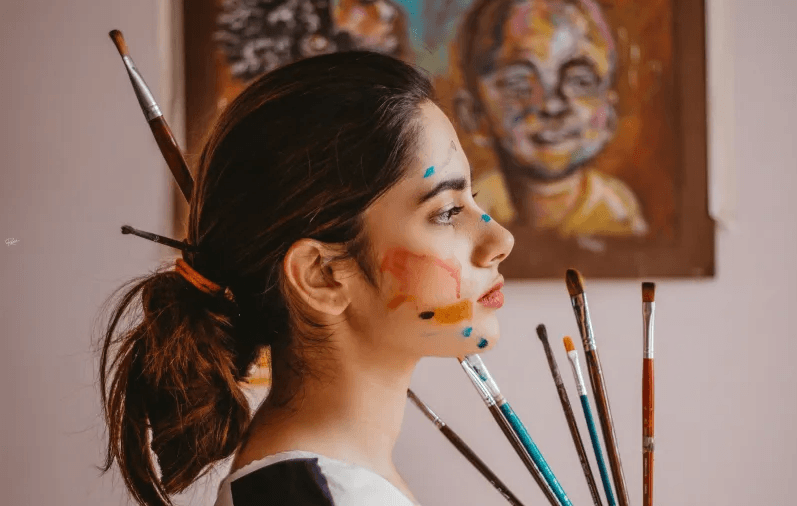
Art has long been a way for people to express emotions that are difficult to put into words. Art therapy takes this natural form of expression and combines it with psychotherapy to support emotional healing, self-discovery, and overall wellbeing.
Used in hospitals, schools, rehabilitation centers, and private practices, art therapy allows individuals to explore thoughts, feelings, and experiences through creative activities such as drawing, painting, music, and storytelling. The process creates a safe and supportive environment where people can reflect, communicate, and work toward personal growth.
Research increasingly shows that creative expression can positively influence both mental and physical health.
What Is Art Therapy?
Art therapy is a therapeutic approach that integrates creative expression with psychological guidance. It helps people explore their emotions, understand themselves better, and process difficult experiences.
In an art therapy session, participants might:
Paint or draw images that represent feelings
Create collages or crafts
Use photography or storytelling
Engage with music, movement, or drama
A trained art therapist guides the process and helps interpret the meaning behind the artwork and the emotions connected to it.
Art therapy is used with individuals, couples, families, and groups, and it supports people of all ages facing mental health challenges, chronic illness, or life transitions.
Key Benefits of Art Therapy
One of the most powerful aspects of art therapy is that it offers nonverbal communication. For many people, creating art makes it easier to express emotions that feel overwhelming or difficult to articulate.
Some of the major benefits include:
Reduced symptoms of anxiety and depression
Improved self-awareness and self-esteem
Healthier emotional expression
Better stress management
Stronger social and communication skills
Improved coping during difficult life events
A review of multiple clinical studies found that creative arts therapies can significantly improve quality of life and emotional wellbeing, especially for individuals coping with stress, medical conditions, or trauma.
Mental Health Benefits
Art therapy is widely used to support people experiencing a range of psychological conditions.
Anxiety and Depression
Creative activities help shift focus away from negative thought patterns while encouraging emotional expression. Studies show that structured art therapy programs can help reduce symptoms of anxiety and depression, particularly in older adults and individuals experiencing chronic stress.
In fact, research suggests that creative activities can lower cortisol levels the body’s primary stress hormone by up to 25% during art-making sessions.
Trauma and Post-Traumatic Stress
People who have experienced trauma often struggle to verbalize their experiences. Art therapy offers a gentle way to process emotions related to traumatic events.
It is frequently used alongside traditional treatments such as cognitive behavioral therapy to help individuals cope with post-traumatic stress, grief, and emotional distress.
Autism Spectrum Conditions
For many autistic children, creative expression provides an accessible communication pathway. Drawing, painting, and music can help improve:
Social interaction
Emotional expression
Communication skills
Art can become a bridge between internal experiences and the outside world.
Support for Chronic Illness and Medical Conditions
Art therapy is also used to support individuals dealing with physical health challenges.
It has been applied in care settings for people living with:
Cancer
Stroke
Traumatic brain injury
Dementia and Alzheimer’s disease
Chronic medical conditions
A review of art therapy programs involving more than 300 pediatric cancer patients found that creative activities helped increase energy levels and emotional wellbeing during treatment.
For patients with dementia, art therapy can stimulate memory, improve mood, and provide meaningful engagement even when verbal communication becomes difficult.
Benefits for Substance Use Recovery
Creative therapy approaches are increasingly used in addiction recovery programs.
Activities like drawing, working with clay, and collage-making can help individuals explore emotions connected to substance use and recovery. A recent study found that art-making activities were associated with positive brainwave changes, reduced stress hormones, and improved mood in people recovering from alcohol use disorder.
Physical Health Benefits
Although more research is needed, art therapy may also support physical health.
Some studies show it can help:
Reduce perceived pain levels
Improve emotional coping during illness
Support relaxation and stress reduction
In one hospital study involving nearly 200 patients with conditions ranging from heart disease to orthopedic injuries, many participants reported improved comfort and emotional wellbeing after participating in art therapy sessions.
Common Art Therapy Techniques
Art therapists use many different creative mediums depending on individual needs and goals.
Examples include:
Painting or drawing
Collage making
Photography
Music or sound exploration
Storytelling or journaling
Textile crafts such as knitting or embroidery
The focus is not on artistic skill but on the creative process and emotional exploration.
Simple Art Therapy Activities to Try at Home
While working with a trained therapist offers the most structured support, creative exercises can also be beneficial at home.
You might try:
Painting or drawing how you feel today
Creating a collage that represents your goals
Drawing a “safe place” that brings comfort
Writing a short story or poem about an emotion
Playing music that reflects your mood
Research shows that engaging in creative activities for as little as 45 minutes can significantly reduce stress levels, even for people without prior artistic experience.
What Happens in an Art Therapy Session
During the first meeting, a therapist will typically ask about your medical history, mental health concerns, and personal goals.
Sessions may involve:
Creating artwork based on a prompt or emotion
Discussing the creative process and what it represents
Reflecting on personal insights that arise during the activity
The goal is not to create a perfect piece of art but to explore thoughts and feelings through creativity.
You Don’t Need Artistic Skills
A common misconception is that you need to be talented to benefit from art therapy. In reality, artistic ability is not important.
Art therapists guide individuals through simple exercises designed to encourage expression and reflection. The therapeutic value lies in the process of creating, not the final result.
How to Get Started
If you’re interested in exploring art therapy, consider the following steps:
Look for a credentialed art therapist with specialized training
Ask about their experience working with your specific needs
Check whether your insurance plan covers therapy sessions
Schedule an introductory consultation to see if the therapist feels like a good fit
Creative expression can open new pathways for emotional understanding, healing, and personal growth often in ways traditional conversation-based therapy cannot.
Share this article or subscribe to our newsletter for more wellness insights.