- Thriving Guide
- Posts
- How Binge-Watching Affects Your Health
How Binge-Watching Affects Your Health
Streaming may feel harmless, but excessive screen time can silently sabotage your sleep, heart health, and mental well-being.

Audrey Sawyer
January 28, 2026
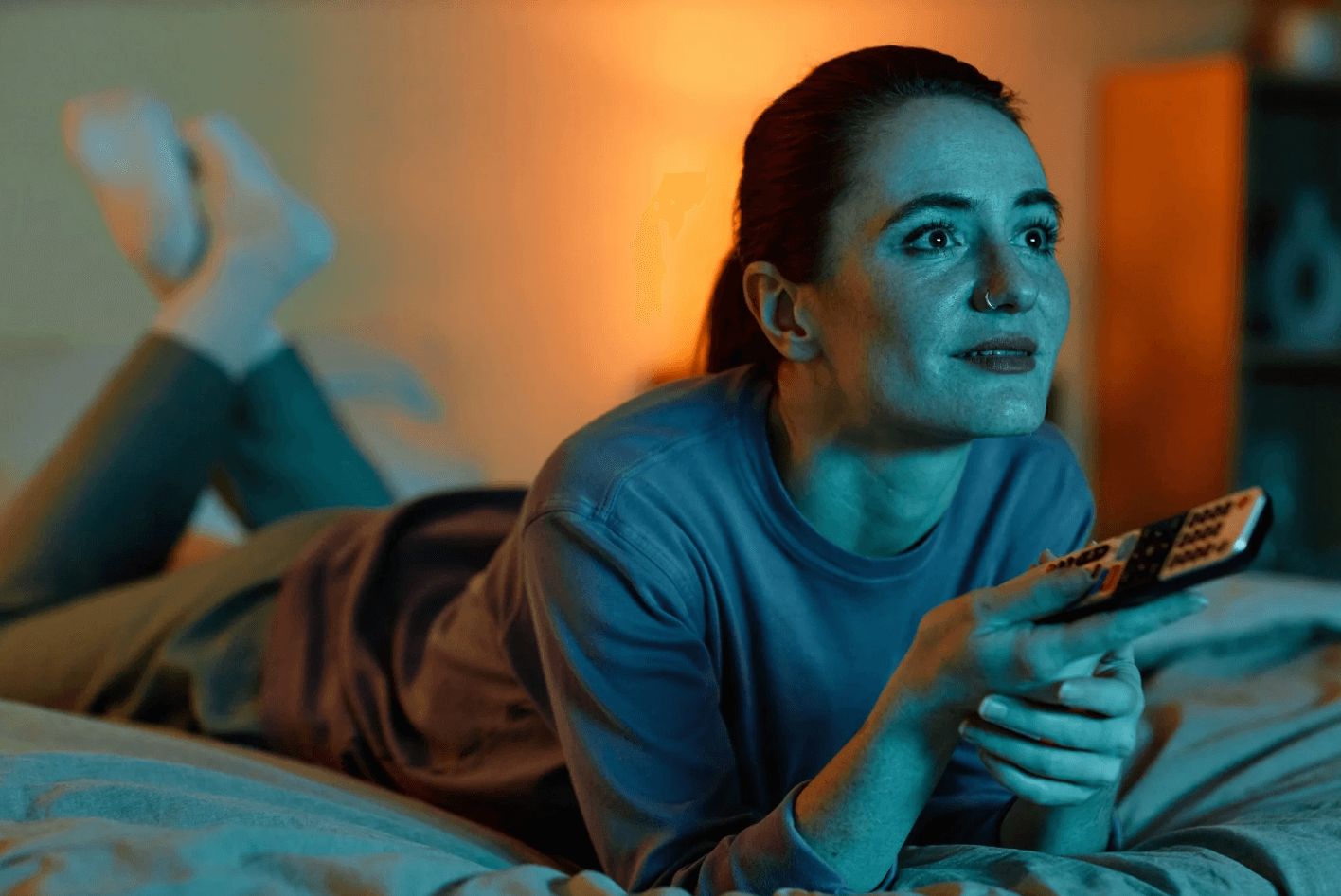
Thanks to streaming platforms, we’re no longer tethered to weekly episodes. With full seasons at our fingertips, binge-watching has become the new norm. But as convenient and entertaining as it is, watching multiple episodes (or full series) in one sitting may come with hidden health costs.
From sleep disruptions to increased risk of chronic disease, research is beginning to reveal how binge-watching impacts both body and mind.
Binge-Watching by the Numbers
In a 2018 survey, 60% of American adults who use streaming services reported binge-watching, with that number jumping to 73% among 18- to 29-year-olds. And it’s not just occasional marathons some of the heaviest users average more than 17 hours of screen time per day across devices, according to Arizona State University researchers.
Unsurprisingly, this level of screen use correlates with poor dietary habits, high perceived stress, and negative health outcomes. But you don’t have to log double-digit hours to feel the effects.
1. Physical Inactivity
Hours of sitting in front of a screen can reduce physical activity to nearly zero. According to the National Institutes of Health, sedentary behavior increases your risk of:
Heart disease
Type 2 diabetes
Stroke
Obesity
Mood disorders like depression
A 2020 study found that non-active sitting such as watching TV is associated with a 25% higher body mass index (BMI) and body fat in young adults compared to active sitting, like working at a desk. The takeaway? The type of sedentary activity matters.
2. Unhealthy Eating Habits
Binge-watching encourages mindless snacking and mealtime distractions. Research published in the American Journal of Clinical Nutrition found that people who eat while distracted are more likely to consume more calories and less nutritious food typically high in sugar, salt, or fat.
Frequent late-night TV sessions often include:
Fast food or takeout
High-sugar beverages
Processed snacks and alcohol
Over time, this eating pattern can contribute to weight gain, high blood pressure, and increased diabetes risk.
3. Sleep Disruption and Fatigue
Binge-watching can interfere with your sleep cycle in several ways:
Delayed bedtime: One more episode often turns into three.
Mental stimulation: Engaging shows keep your brain alert, making it harder to wind down.
Reduced sleep quality: Inadequate rest limits your body’s ability to recover and regulate mood.
A study in the Journal of Clinical Sleep Medicine found that binge-watchers reported poorer sleep quality, higher fatigue, and more insomnia symptoms, especially when viewing close to bedtime.
4. Increased Risk of Blood Clots
Long periods of immobility like sitting through a 5-hour streaming session can increase the risk of deep vein thrombosis (DVT), a potentially dangerous blood clot. A 2018 study showed binge-watchers had up to a 70% higher risk of developing blood clots, even among those who were otherwise healthy and physically active.
5. Heart Health Consequences
Not all sedentary activities carry the same risk. A 2019 study in the Journal of the American Heart Association found that excessive TV viewing, specifically, was associated with a higher risk of cardiovascular disease and early death even more so than sitting at a desk job.
Watching more than four hours per day of TV may increase risk of heart disease by up to 50%, compared to watching less than two hours daily.
Binge-watching often happens in isolation, which can amplify feelings of loneliness. Studies show a link between excessive TV viewing and:
Depression
Anxiety
Poor self-regulation
In one study from the University of Texas, people who were already feeling lonely or depressed were more likely to binge-watch, using TV to escape negative emotions. Unfortunately, this coping mechanism may worsen both physical and emotional health in the long run.
7. Behavioral Addiction
Binge-watching may activate the brain’s reward centers in a way that mimics other behavioral addictions like gambling or gaming. Over time, this can lead to:
Compulsive viewing habits
Difficulty stopping, even when it interferes with life
Neglect of responsibilities
Researchers argue that the instant gratification of streaming services may make this behavior harder to break without conscious effort.
8. Cognitive Decline
Spending hours watching TV may also affect brain health. A 2019 study published in Scientific Reports found that adults over 50 who watched more than 3.5 hours of TV daily experienced declines in verbal memory after six years.
Experts recommend replacing passive screen time with mentally engaging activities such as reading, puzzles, or learning a new skill.
How to Cut Back Without Giving Up TV Entirely
Binge-watching doesn’t have to be an all-or-nothing activity. Here’s how to enjoy your favorite shows more mindfully:
Set a limit: Stick to one or two episodes per session.
Use a timer: Set an alarm to remind yourself when it’s time to stop.
Make it social: Watching with others can help prevent excessive viewing.
Balance it out: Follow a show with a walk, workout, or phone call.
Establish a bedtime: Avoid watching TV right before sleep.
Snack smart: Choose high-fiber, low-sugar options like fruit or air-popped popcorn.
The Bottom Line
Streaming has made entertainment more accessible than ever but it’s up to us to consume it responsibly. Binge-watching occasionally won’t ruin your health, but turning it into a daily habit can quietly chip away at your well-being over time. Small changes in how and when you watch can make a big difference.
If this article helped you reflect on your viewing habits, share it or subscribe to our newsletter for more balanced lifestyle insights.