- Thriving Guide
- Posts
- Body Aches and Chills Without Fever
Body Aches and Chills Without Fever
A Cincinnati-style chili served over spaghetti, combining warm spices, lean turkey, and rich tomato sauce for a comforting and flavorful meal.

Audrey Sawyer
March 11, 2026
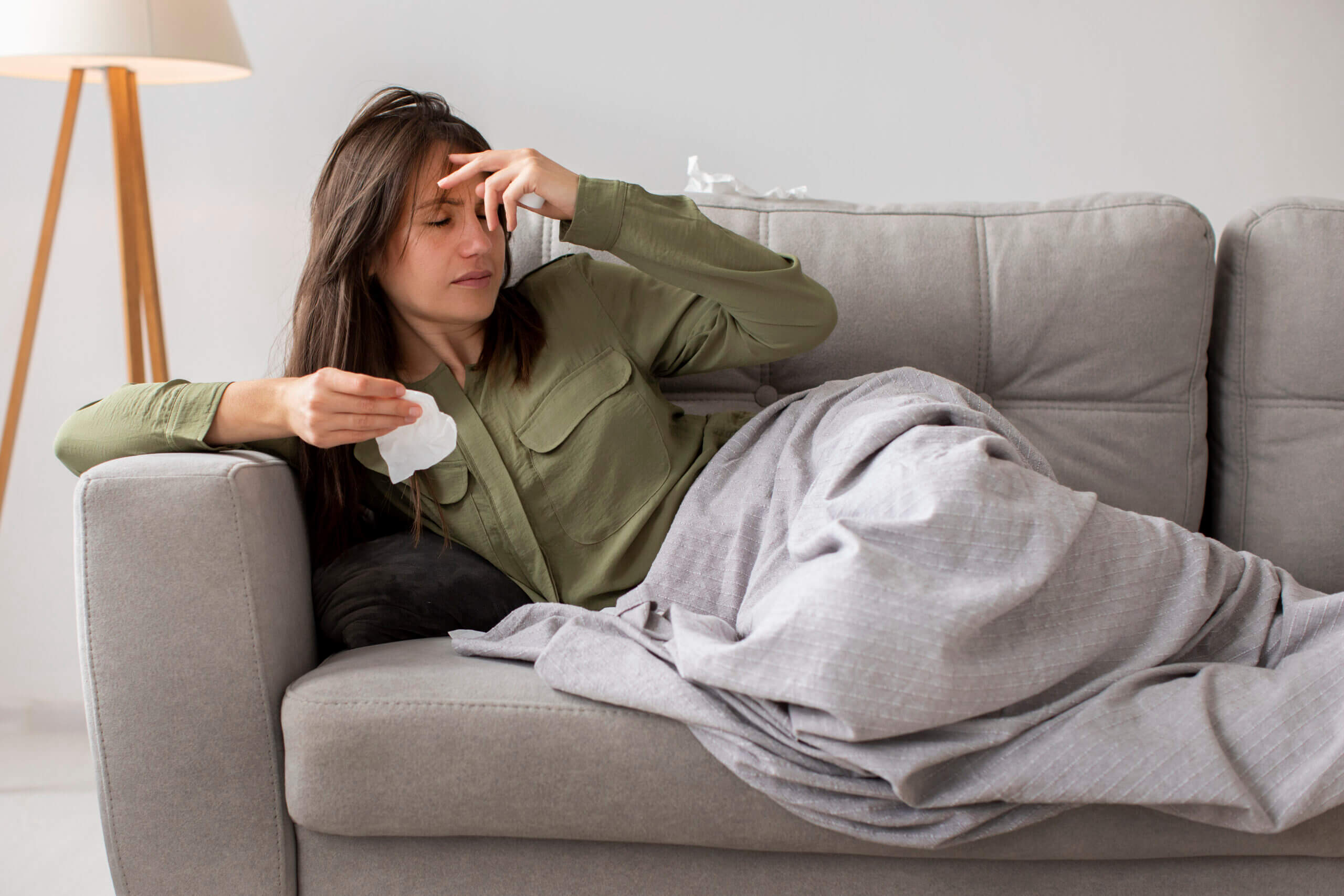
Waking up with body aches and chills without a fever can feel confusing and uncomfortable. Many people associate chills and muscle pain with illness, yet these symptoms can appear even when your temperature remains normal.
In many cases, the cause is harmless like dehydration, stress, or cold exposure. Other times, it may signal an infection or an underlying health condition. Understanding the possible reasons behind these symptoms can help you decide whether simple home remedies will help or if medical care is needed.
Why Body Aches and Chills Can Happen Without Fever
Body aches often occur when muscles become tense or inflamed. Chills, on the other hand, are your body’s way of generating heat through muscle contractions. Although fever commonly triggers chills, it’s not the only reason they occur.
In fact, research suggests about 70% of immune responses involve inflammation, which can cause muscle discomfort even without a noticeable fever. Here are several common reasons for body aches and chills without fever.
Cold Exposure
Spending time in cold environments can easily trigger chills and muscle stiffness.
When your body gets cold:
Blood vessels near the skin narrow to preserve heat
Circulation shifts toward vital organs
Muscles begin contracting to generate warmth
This response can create shivering, stiffness, and body aches until your body temperature stabilizes.
Stress and Anxiety
Emotional stress doesn’t just affect the mind it also impacts the body.
During stressful situations, your brain releases adrenaline as part of the fight-or-flight response. This causes:
Faster heart rate
Muscle tension
Changes in temperature regulation
Prolonged stress can keep muscles tight for hours or days, which may lead to aches and chills.
Dehydration
Your body depends heavily on water for muscle and circulation function. Even mild dehydration can lead to symptoms like fatigue, headaches, and muscle pain.
When fluid levels drop:
Blood circulation becomes less efficient
Muscles may cramp or ache
The body struggles to regulate temperature
Studies suggest even 1–2% dehydration can negatively affect physical performance and muscle comfort, making hydration especially important during exercise or hot weather.
Many viral infections cause body aches and chills before a fever appears or sometimes without causing a fever at all.
Common examples include:
The common cold
Influenza
COVID-19
Your immune system releases inflammatory chemicals to fight viruses, and this immune response can produce muscle soreness and chills.
Additional viral symptoms may include:
Fatigue
Sore throat
Headache
Cough or congestion
Bacterial Infections
Certain bacterial infections may also trigger aches and chills even without fever.
Examples include:
Strep throat
Pneumonia
Lyme disease
Some bacteria release toxins that trigger inflammation, which can cause muscle pain and chills as the body works to fight the infection.
Medication Side Effects
Several medications can produce muscle aches or chills as side effects.
These may include:
Some antibiotics
Cholesterol-lowering statins
Certain antidepressants (SSRIs)
Diuretics
Chemotherapy medications
If symptoms start shortly after beginning a new medication, it’s worth discussing with a healthcare provider.
Chronic Health Conditions
Ongoing health conditions can sometimes produce persistent aches or chills.
Examples include:
Fibromyalgia
Hypothyroidism
Diabetes
Chronic fatigue syndrome
Autoimmune disorders
Kidney or liver disease
These conditions often involve inflammation, hormonal changes, or altered nerve signaling that can lead to muscle discomfort.
Seasonal Allergies
While sneezing and congestion are the most common allergy symptoms, inflammation from allergies may also cause fatigue, mild body aches, and chills in some people.
This happens because the immune system treats allergens like pollen as threats, activating an inflammatory response.
Lack of Sleep
Poor sleep affects nearly every system in the body. When sleep is consistently disrupted, the body may experience:
Increased inflammation
Muscle tension
Fatigue and weakness
Hormonal imbalance
Adults who sleep less than six hours per night are more likely to experience chronic pain and immune disruptions, which can contribute to chills and body aches.
Hormonal Changes and Menstrual Cycles
Hormonal fluctuations can affect both temperature regulation and inflammation.
During menstruation, the body releases chemicals called prostaglandins, which can trigger:
Abdominal cramps
Headaches
Muscle aches
Chills or nausea
Hormonal changes during perimenopause or menopause can also cause hot flashes followed by chills.
Home Remedies for Relief
If symptoms are mild and not linked to a serious condition, simple home strategies may help.
Warm the body
Take a warm bath or shower
Use a heating pad or warm compress
Add Epsom salts to help relax muscles
Stay hydrated
Drinking fluids supports circulation and muscle health. Good options include:
Water
Herbal tea
Warm lemon water
Clear broths
Try gentle movement
Light activity can improve circulation and reduce stiffness. Consider:
Stretching
Yoga
Pilates
Walking
Avoid intense workouts until symptoms improve.
Consider over-the-counter pain relief
Pain relievers such as acetaminophen or ibuprofen may help reduce inflammation and discomfort when used as directed.
Practice relaxation techniques
Deep breathing or mindfulness exercises can help calm the nervous system and release muscle tension. A popular technique is the 4-7-8 breathing method, which involves slow inhaling, holding the breath briefly, and controlled exhaling.
When to See a Healthcare Provider
Occasional body aches and chills usually aren’t serious, but medical care may be needed if symptoms:
Last several days or worsen
Are accompanied by severe pain
Include chest pain or difficulty breathing
Cause confusion or changes in alertness
Come with a rash or swelling
Occur alongside vomiting or fainting
People with conditions such as diabetes, heart disease, or weakened immune systems should contact a healthcare provider sooner if these symptoms appear.
Paying attention to hydration, sleep, stress levels, and temperature exposure can often prevent or reduce body aches and chills without fever. But when symptoms persist or feel unusual, getting medical guidance can help identify the underlying cause and ensure proper treatment.
Share this article or subscribe to our newsletter for more wellness insights.