- Thriving Guide
- Posts
- The Blood Pressure Effects of Drinking Bone Broth
The Blood Pressure Effects of Drinking Bone Broth
While bone broth offers some heart-healthy nutrients, its sodium content could raise your blood pressure if you’re not careful.

Audrey Sawyer
December 11, 2025
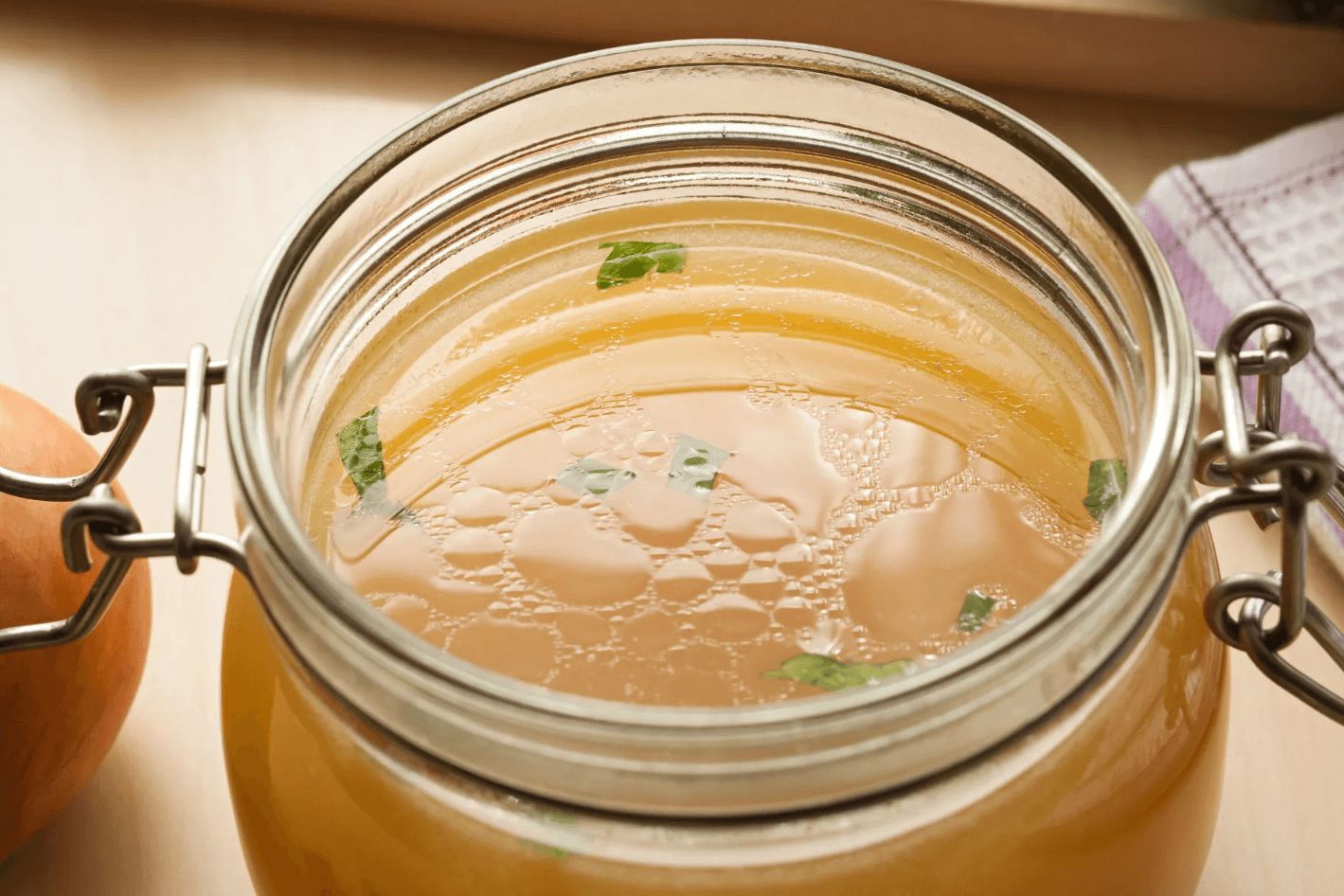
Bone broth has earned a reputation as a healing, nutrient-dense drink offering a comforting way to support joint health, digestion, and immunity. But if you’re watching your blood pressure, you may want to take a closer look at what’s in your mug.
The long-simmering process used to make bone broth extracts collagen, minerals, and electrolytes from animal bones, creating a savory and nutritious liquid. However, one of the most important factors to consider especially for heart health is sodium content.
So, what really happens to your blood pressure when you drink bone broth regularly? Here’s what the science says, and how to make it a safer option if you have hypertension or are trying to reduce your salt intake.
Bone Broth Can Raise Blood Pressure Here’s Why
Bone broth doesn’t automatically spike your blood pressure but it can if the sodium content is high. Sodium plays an important role in fluid balance, nerve signaling, and muscle contraction, but in excess, it can lead to water retention. This raises blood volume, which in turn increases the pressure inside your arteries.
For people with hypertension or kidney disease, consuming high-sodium foods like commercial broths may make blood pressure harder to manage, and over time, increase the risk of:
Heart disease
Stroke
Heart attack
According to the American Heart Association, reducing sodium intake by just 1,000 mg per day can significantly improve blood pressure control and lower cardiovascular risk.
How Much Sodium Is in Bone Broth?
The sodium content in bone broth varies a lot depending on how it's made:
Homemade bone broth (no added salt): About 90–125 mg per cup
Store-bought bone broth: Often 600–900 mg per cup, depending on the brand
To put that into perspective, the recommended daily limit for sodium is:
2,300 mg for healthy adults
1,500 mg or less for those with high blood pressure
One cup of store-bought broth could contain 30–40% of your daily sodium limit in just one serving.
What to Look for on Labels
If you enjoy store-bought bone broth, look at the % Daily Value (DV) for sodium on the label:
Low-sodium: 5% DV or less per serving
High-sodium: 20% DV or more per serving
Opt for versions labeled “low-sodium” (140 mg or less) or “no salt added.” If your favorite brand is on the higher side, try diluting it with water and flavoring it with herbs and vegetables instead of extra salt.
Can Bone Broth Ever Be Heart-Healthy?
Interestingly, bone broth contains more than just sodium. The long simmering process also produces collagen-derived peptides, which may offer cardiovascular benefits.
Some research shows that these peptides could:
Help regulate enzymes that influence blood vessel tension
Reduce vasoconstriction, allowing blood vessels to relax
Support overall vascular function
While more studies are needed, there’s potential that compounds in bone broth may counterbalance some of the sodium-related effects on blood pressure especially when consumed in moderation and without added salt.
Tips for Making Bone Broth Blood Pressure-Friendly
If you're managing high blood pressure, here are smart ways to enjoy bone broth without the salt spike:
Make it at home to control sodium levels
Use no-salt-added ingredients (bones, vegetables, herbs)
Flavor with garlic, onion, parsley, or turmeric instead of salt
Dilute store-bought broth with water to lower sodium per serving
Always check nutrition labels even “organic” or “premium” broths can be high in salt
Should You Drink Bone Broth If You Have Hypertension?
If you have high blood pressure or are taking medication for it, it’s best to discuss bone broth with your healthcare provider. They can help you determine how much is safe based on your daily sodium goals.
Bone broth isn’t inherently bad but like many popular health foods, the details matter. Choosing or making a lower-sodium version allows you to enjoy the potential benefits like collagen, minerals, and amino acids without compromising your heart health.
Bottom Line
Bone broth can be part of a heart-conscious diet, but its sodium content may raise blood pressure, particularly if you rely on store-bought versions or consume it daily. If you're watching your salt intake, opt for low-sodium or homemade bone broth and use herbs and spices to boost flavor naturally.
If you found this article helpful, share it or subscribe to our newsletter for more smart nutrition insights.