- Thriving Guide
- Posts
- Which Is Better for You Chicken Breast or Turkey Breast?
Which Is Better for You Chicken Breast or Turkey Breast?
One may be slightly healthier, but both are excellent lean proteins packed with nutrients your body needs.

Audrey Sawyer
January 08, 2026
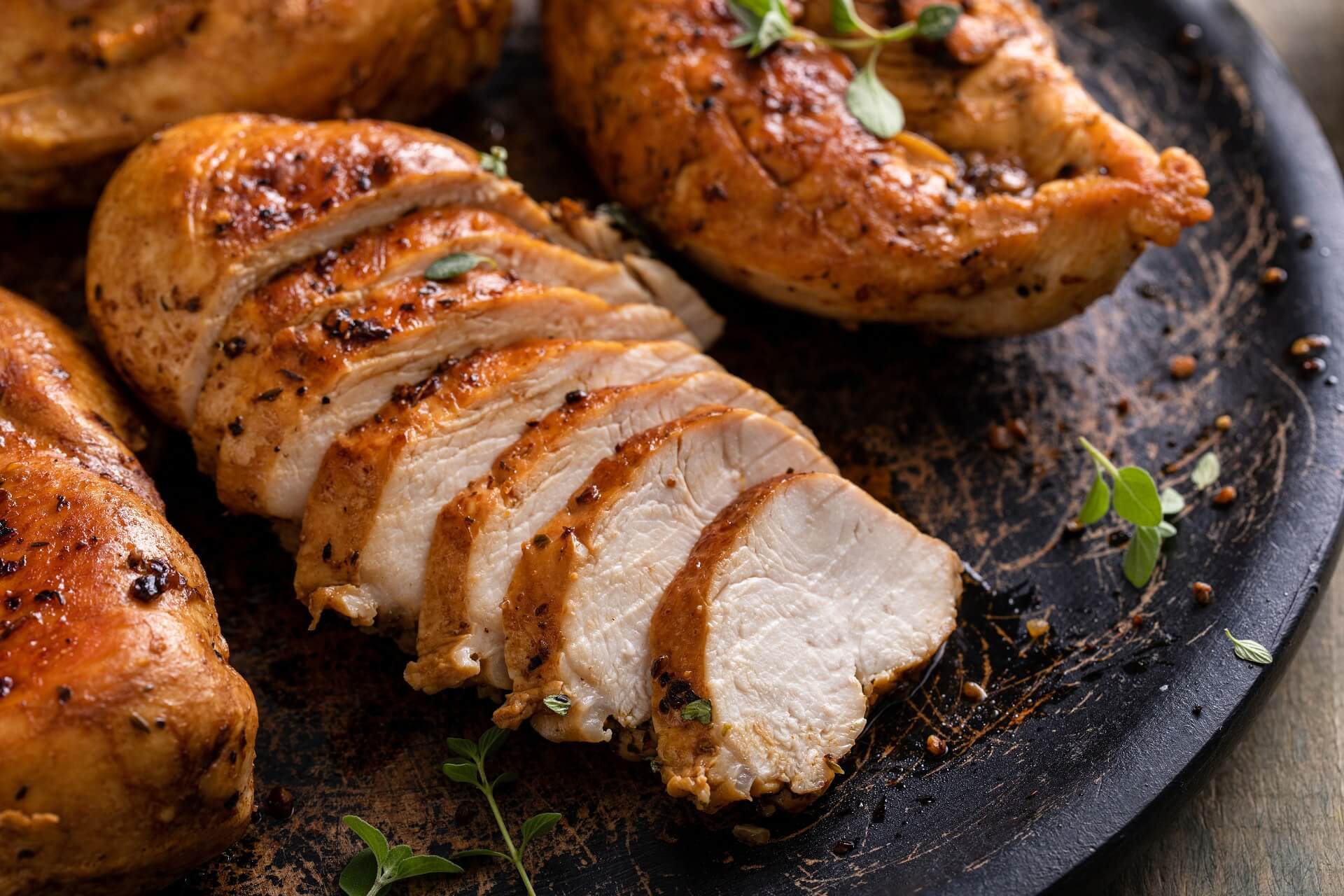
Whether you're meal-prepping for the week or choosing a lean protein at the grocery store, chicken breast and turkey breast often top the list. They’re both low in fat, high in protein, and loaded with essential nutrients. But when it comes to which one is healthier, turkey breast pulls slightly ahead though not by much.
Here’s how these two popular poultry choices stack up, and how to make the best choice for your health and lifestyle.
Chicken vs. Turkey: Nutrition Breakdown
Both chicken and turkey breast are lean cuts of white meat that deliver plenty of protein without the saturated fat you’d find in red meat. But according to nutritional comparisons, turkey breast has a slight edge in protein content, lower saturated fat, and higher levels of several key micronutrients.
Nutrition Comparison (4-ounce raw, skinless breast):
Nutrient | Turkey | Chicken |
|---|---|---|
Calories | 129 kcal | 136 kcal |
Protein | 26.3 g | 25.4 g |
Total Fat | 2.63 g | 2.96 g |
Saturated Fat | 0.389 g | 0.636 g |
Trans Fat | 0.015 g | 0.008 g |
Cholesterol | 59.9 mg | 82.5 mg |
Vitamin B12 | 1.52 mcg (63% DV) | 0.237 mcg (10% DV) |
Iron | 0.859 mg | 0.418 mg |
Zinc | 1.31 mg | 0.768 mg |
Niacin (B3) | 11.6 mg | 10.8 mg |
Vitamin B6 | 0.92 mg | 0.916 mg |
Selenium | 25 mcg | 25.8 mcg |
DV = Daily Value based on standard dietary guidelines
Turkey wins out on most counts but the differences are relatively small. For example, turkey has about 1 extra gram of protein and 0.2 grams less saturated fat per serving. It's also significantly higher in vitamin B12 and zinc, two nutrients vital for nerve health and immune function.
Don’t Just Count Calories
Both meats are low in calories, but nutrition isn’t just about energy. The quality of calories where they come from matters more than the number. Protein offers steady energy and supports muscle maintenance, while vitamins and minerals like B12, selenium, and zinc help regulate metabolism, immunity, and hormones.
Health Benefits of Both Meats
Lean Protein: Both support muscle repair, hormone regulation, and satiety, making them ideal for weight management or strength training.
Heart Health: Turkey breast has slightly less cholesterol and saturated fat, giving it a minor advantage for cardiovascular health.
Essential Fats: While low in fat overall, both contain beneficial unsaturated fats, including small amounts of omega-3s, which are important for brain and nerve function.
Micronutrient-Rich: Poultry provides B vitamins for energy, iron for oxygen transport, and selenium for immune and thyroid health.
Cooking Methods Matter
How you prepare your poultry can significantly impact its health benefits. Consider these tips:
Healthier methods: Roasting, grilling, poaching, or steaming preserve nutrients without adding extra fat.
Limit frying: Pan-frying or deep-frying increases the saturated fat content and may introduce harmful compounds.
Beware of sauces: Rich gravies, cheese toppings, and heavy marinades can turn a lean meal into a calorie bomb.
Also, keep in mind that overcooking or boiling can leach out water-soluble nutrients like B vitamins so try not to overdo it.
Which One Should You Choose?
Ultimately, both chicken and turkey breast are excellent sources of lean protein and can easily fit into a balanced diet. The "healthier" option will depend on:
Personal taste preferences
Budget and availability
How you plan to cook and serve it
If you're looking to maximize vitamin B12, iron, or lower your cholesterol intake slightly, turkey may be your best bet. But if chicken is what you enjoy and regularly include in your meals, rest assured it’s a very healthy option.
Bottom Line
There’s no need to overhaul your grocery list. Both chicken and turkey breast are nutrient-dense choices that support energy, muscle health, and metabolic function. Just be mindful of how you prepare them and remember, what you serve alongside matters just as much.
To get more evidence-based nutrition tips like this, subscribe to our newsletter or share this article with someone curious about better food choices.