- Thriving Guide
- Posts
- Potential Health Benefits of Chlorella for Cholesterol, Blood Sugar, and Fitness
Potential Health Benefits of Chlorella for Cholesterol, Blood Sugar, and Fitness
From cholesterol and blood sugar to energy and eye health, here's what science says about this algae-based superfood.

Audrey Sawyer
December 01, 2025
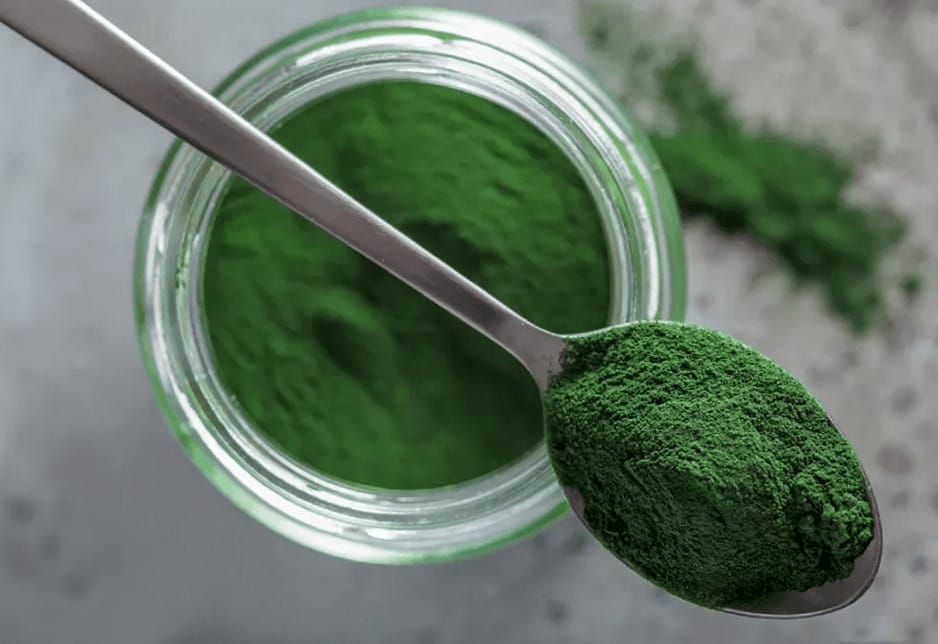
Chlorella, a nutrient-dense green algae, has gained popularity as a superfood supplement and for good reason. Often taken as a powder or tablet, chlorella is packed with vitamins, minerals, and antioxidants that may offer benefits for cholesterol, blood sugar, exercise recovery, and more. But how much of this is backed by science?
Here’s what the research says and what you should know before adding chlorella to your wellness routine.
1. Nutrient-Dense Support for a Healthier Diet
Chlorella is rich in essential nutrients, including:
Complete protein with all nine essential amino acids
Iron (12 mg per 5 g serving, about 70% of your Daily Value)
Vitamin B12, which is particularly important for vegans
Vitamin A, calcium, and antioxidants like lutein and beta-carotene
A small serving (about 2 teaspoons or 5 grams) won’t fulfill your daily protein needs but can help cover nutritional gaps especially in plant-based diets.
2. May Help Lower High Cholesterol
A 2018 meta-analysis found that taking 4 grams of chlorella daily significantly reduced:
LDL cholesterol (the "bad" kind)
Blood pressure
Blood sugar
This may be due to chlorella’s content of niacin, folate, and B12, which are linked to cardiovascular health. While promising, more research is needed before chlorella can be recommended as a first-line option.
3. Supports Blood Sugar Control
Chlorella has shown some potential in lowering blood glucose, especially in people with type 2 diabetes or prediabetes:
A 2015 study found chlorella may help delay or reduce the risk of developing type 2 diabetes.
A 2021 clinical trial showed that 1,500 mg daily lowered both cholesterol and blood sugar in people with diabetes.
If you’re taking blood sugar-lowering medications, consult your doctor before adding chlorella to your routine.
4. May Enhance Exercise and Recovery
Chlorella might support physical performance by improving:
Endurance and stamina
Fatigue and recovery
Both anaerobic and aerobic capacity
A 2023 review suggested these effects may stem from chlorella’s antioxidant, protein, and micronutrient content. Just keep in mind that most supplement doses are low in fiber and fatty acids, so the impact may vary depending on your overall diet.
5. Potential Benefits During Pregnancy
Iron needs increase significantly during pregnancy, and chlorella may help meet that demand.
A study of pregnant women taking 6 grams of chlorella daily for 12–18 weeks showed decreased markers of anemia
Chlorella is also a source of folate, which is essential to prevent neural tube defects
While chlorella is rich in natural folate, experts still recommend taking 400 micrograms of folic acid daily during pregnancy. Always check with your healthcare provider before taking any supplement while pregnant or breastfeeding.
6. May Help Reduce Blood Pressure
Clinical trials suggest that 4 grams or more of chlorella daily for eight weeks may significantly reduce both systolic and diastolic blood pressure, especially in those with hypertension. This could be tied to its antioxidant and anti-inflammatory effects.
7. Supports Eye Health with Antioxidants
Chlorella is high in lutein, zeaxanthin, and beta-carotene key antioxidants for protecting vision and reducing the risk of age-related macular degeneration (AMD). In fact, one study found that a 6-gram daily dose increased levels of these antioxidants in the blood.
8. May Promote Liver Health
In a study of people with fatty liver disease (now termed MASLD), 1.2 grams of chlorella daily for eight weeks helped:
Lower liver enzyme levels
Improve insulin sensitivity
While more studies are needed, these early findings suggest that chlorella may offer liver-protective effects.
9. Early Evidence for Fibromyalgia Relief
Some early research combining chlorella with other supplements (like CoQ10) found that it may help relieve pain and fatigue in people with fibromyalgia. However, studies are limited and not specific to chlorella alone.
10. May Help Detoxify the Body
Chlorella may help remove certain toxins:
A clinical trial found it reduced levels of methylmercury, a neurotoxin
Another study showed a decrease in carcinogenic compounds linked to grilled meat consumption
These findings are promising, but chlorella should not be relied on as a detox cure-all.
11. Antioxidant Protection
Chlorella contains a variety of antioxidants, including lutein, zeaxanthin, and beta-carotene, which may protect against cellular damage from oxidative stress important for aging, immune health, and chronic disease prevention.
Safety and Side Effects
Chlorella is generally safe for most people, but possible side effects include:
Stomach cramps
Gas, bloating, or diarrhea
Green-colored stool
Increased sensitivity to sunlight
Some people may also experience allergic reactions. Always start with a small dose and increase gradually to gauge tolerance.
Precautions to Consider:
Allergies: Avoid if allergic to algae, mold, or iodine
Thyroid conditions: Contains iodine, which may interfere with thyroid health
Children: Safety hasn’t been fully studied
Breastfeeding: May turn breast milk green discuss with your doctor first
Potential Drug Interactions:
Warfarin (blood thinner): Chlorella is high in vitamin K and may reduce drug effectiveness
Photosensitizing medications: May increase sun sensitivity
Blood sugar meds: May amplify their effects monitor closely with your provider
How to Take Chlorella
Common dosage 3 to 10 grams daily
Available in tablets, capsules, powders, or extracts
Mix powders into smoothies, yogurt, soups, or dressings
Cooking does not destroy its nutrients
Bottom Line
Chlorella is a nutrient-packed algae that may offer real benefits for heart health, blood sugar control, liver support, and more. While research is still emerging, this superfood shows promise especially when combined with a healthy diet and lifestyle.
Just be sure to consult your healthcare provider before beginning any new supplement, especially if you’re on medication or have a medical condition.
If this article sparked your curiosity, subscribe to our newsletter or share it with someone looking to upgrade their wellness routine.