- Thriving Guide
- Posts
- Collagen and Colostrum Exploring Their Unique Benefits
Collagen and Colostrum Exploring Their Unique Benefits
Optimize your wellness by understanding these potent nutritional supplements.
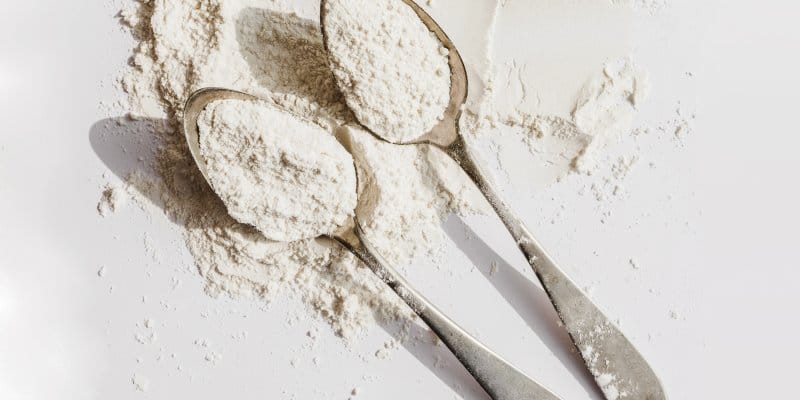
Collagen and Colostrum A Deep Dive
In the ever-evolving landscape of health and wellness, two supplements have garnered considerable attention: collagen and colostrum. While both are derived from animal sources and offer a range of potential benefits, they are distinctly different in their composition and mechanisms of action. Understanding these differences is key to making informed decisions about which, if either, might be right for you.
What is Collagen?
Collagen is the most abundant protein in the human body, serving as a crucial building block for skin, bones, tendons, ligaments, and other connective tissues. As we age, our natural collagen production declines, leading to visible signs of aging like wrinkles and joint pain. Collagen supplements, typically derived from bovine, marine, or poultry sources, aim to replenish these diminishing levels.
The primary benefit of collagen supplementation is its support for skin elasticity and hydration, potentially reducing the appearance of wrinkles and promoting a more youthful complexion. It also supports joint health by strengthening cartilage and reducing inflammation. Some studies suggest that collagen may also improve bone density and muscle mass, though more research is needed in these areas.
What is Colostrum?
Colostrum, often referred to as "liquid gold," is the first milk produced by mammals after giving birth. It’s packed with antibodies, growth factors, and other bioactive compounds that provide crucial immune support to newborns. Colostrum supplements are typically derived from bovine sources and are valued for their ability to enhance immune function and promote gut health.
The key benefits of colostrum revolve around its potent immune-boosting properties. The antibodies present in colostrum, particularly immunoglobulins (IgG), help neutralize pathogens and strengthen the body's defenses against infection. Colostrum also contains growth factors that support the repair and regeneration of tissues in the gut, promoting a healthy gut microbiome and improving nutrient absorption. Some research suggests that colostrum may also enhance athletic performance by reducing muscle damage and promoting faster recovery.
Key Differences and How to Choose
The fundamental difference lies in their composition and primary functions. Collagen is primarily a structural protein that supports connective tissues, while colostrum is a complex fluid rich in immune factors and growth factors. Collagen focuses on structural integrity and anti-aging effects, while colostrum primarily supports immune health and gut function.
Choosing between collagen and colostrum depends on your individual health goals. If you're primarily concerned with improving skin elasticity, reducing joint pain, or supporting bone health, collagen may be the better choice. If your focus is on boosting your immune system, improving gut health, or enhancing athletic recovery, colostrum may be more beneficial.
Can You Take Both?
Yes, collagen and colostrum can be taken together, as they offer complementary benefits and do not typically interact negatively. Combining these supplements can provide a comprehensive approach to wellness, supporting both structural integrity and immune function. As always, consult with your healthcare provider before starting any new supplement regimen, especially if you have underlying health conditions or are taking medications.
Ultimately, both collagen and colostrum offer unique advantages for overall health and well-being. By understanding their distinct properties and considering your individual needs, you can make an informed decision about which supplement, or combination of supplements, is right for you.
For more insights on nutrition, subscribe to our newsletter.