- Thriving Guide
- Posts
- Your Complete Guide to Condoms
Your Complete Guide to Condoms
From effectiveness and materials to fit, safety, and comfort here’s everything you need to know about choosing and using condoms correctly.

Audrey Sawyer
January 27, 2026
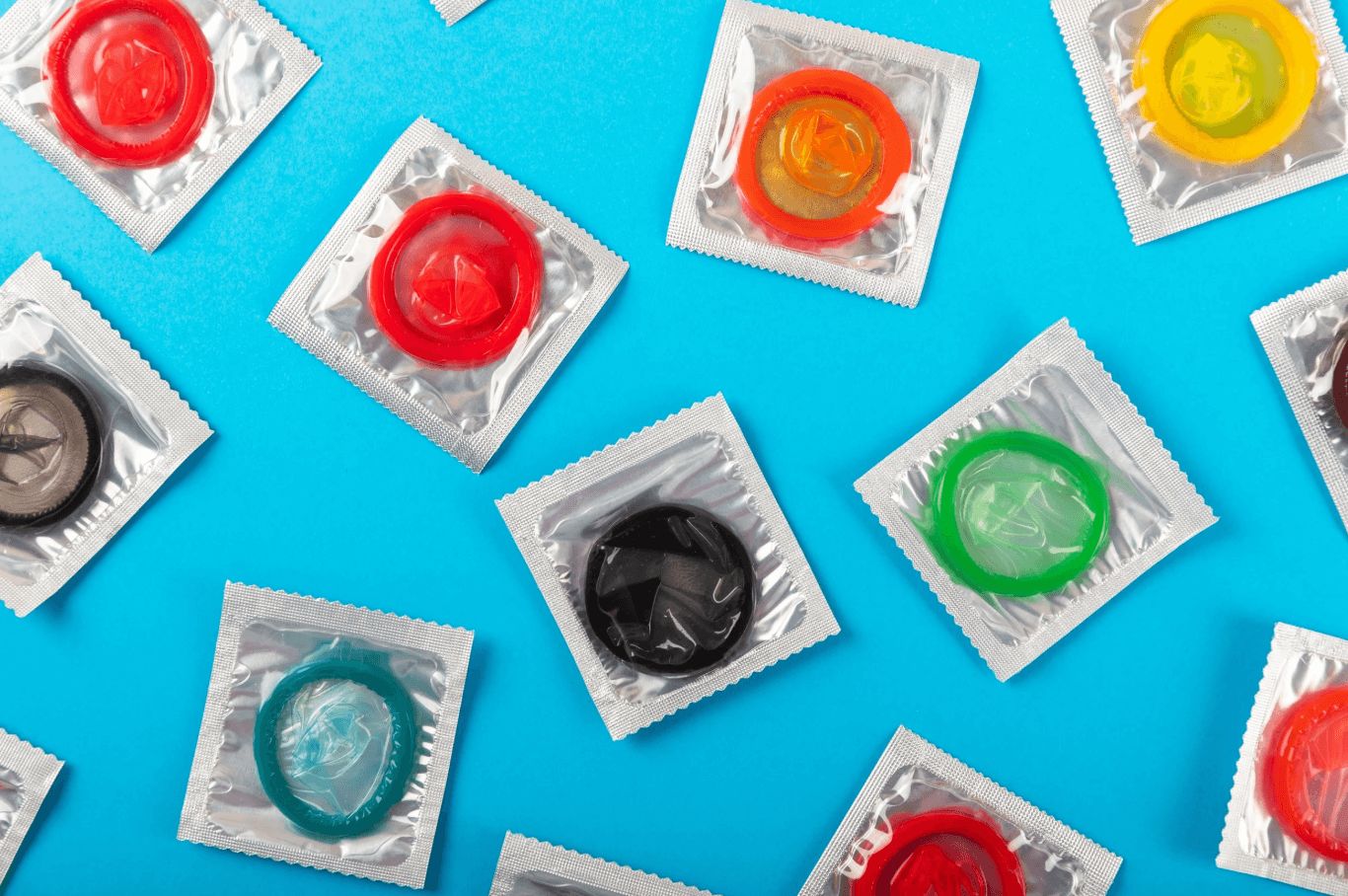
When it comes to protecting against pregnancy and sexually transmitted infections (STIs), condoms are one of the most accessible and effective tools available. But with so many types, sizes, materials, and conflicting advice out there, understanding how to use condoms properly and how to pick the right one can feel overwhelming.
This comprehensive guide breaks down the most common questions about condoms, covering everything from fit and feel to cost, safety, and alternatives.
How Do Condoms Work?
Condoms are barrier devices that physically block sperm and infectious fluids from reaching a partner during vaginal, anal, or oral sex. There are two main types:
External condoms (commonly known as male condoms): Worn over the penis
Internal condoms (sometimes called female condoms): Placed inside the vagina or anus
Both forms can prevent pregnancy and reduce the transmission of many STIs when used consistently and correctly.
How Effective Are Condoms at Preventing Pregnancy?
No birth control method is 100% perfect, but condoms come close with perfect use. Here’s how they compare:
Condom Type | Perfect Use | Typical Use |
|---|---|---|
External Condom | 98% | 87% |
Internal Condom | 95% | 79% |
The lower effectiveness with typical use is often due to human error, like improper application or inconsistent use. To maximize protection, always follow usage instructions and consider pairing condoms with a secondary birth control method if pregnancy prevention is your top concern.
Do Condoms Protect Against STIs?
Yes but with some limitations. Condoms are most effective against STIs transmitted via bodily fluids (like HIV, gonorrhea, and chlamydia) and somewhat less effective against STIs spread through skin-to-skin contact (like herpes, HPV, and syphilis).
STI | Condom Efficacy |
|---|---|
HIV, Gonorrhea, Hepatitis B | Over 90% |
Chlamydia, Syphilis | 50–90% |
Trichomoniasis | 30–90% |
Herpes, HPV | Low to negligible |
Even with imperfect coverage, condoms still reduce risk and are the only form of contraception that does.
Condom Materials: What’s the Difference?
Different materials offer different levels of protection, comfort, and compatibility with lubricants:
Latex: Affordable and effective against STIs and pregnancy. Avoid oil-based lubes they can degrade latex.
Lambskin: All-natural and great for sensitivity, but they don’t protect against STIs.
Polyurethane: A good latex alternative, thinner and compatible with all lubes, but may be looser-fitting and more prone to breakage.
Polyisoprene: A synthetic option for those with latex allergies. Similar in feel to latex but slightly thicker.
Nitrile: Used in internal condoms. Hypoallergenic and safe with all lubricant types.
Finding the Right Size and Fit
Fit matters. A condom that's too tight can break, while one that's too loose may slip off. External condoms are available in snug, standard, large, and extra-large sizes. To find your best fit:
Measure length from the base to the tip of the erect penis.
Measure girth around the thickest part using a flexible tape.
Girth is more important for fit than length. Check product sizing guides to match your measurements.
Internal Condoms: One Size Only
Currently, internal condoms come in one standard size. They may feel looser or less familiar, which can affect comfort. If you’re curious, try using one during solo play to get accustomed before using with a partner.
Do Condoms Reduce Sensitivity?
Many people believe condoms lessen sensation but research doesn’t necessarily support that. A study from Indiana University found no major difference in pleasure or satisfaction between users who wore condoms and those who didn’t.
For enhanced sensitivity, look for:
Ultra-thin latex condoms
Lambskin condoms (for pregnancy prevention only)
Lubricated condoms or adding extra lube
Textures, Flavors, and Additives: What to Know
Condoms come in ribbed, flavored, and novelty styles, which can enhance or reduce comfort depending on the person. Some may contain:
Nonoxynol-9 (spermicide): Can irritate sensitive skin and increase STI risk with frequent use
Glycerin or sugar in flavored condoms: Can lead to yeast infections
Scents or dyes: May cause irritation or allergic reactions
Always read the label, especially if you have allergies or sensitivities.
Condom Cost and Accessibility
Latex condoms are the most affordable around $3 for three. Lambskin and specialty condoms can cost significantly more (up to $20 for a 3-pack). Internal condoms are pricier still, sometimes exceeding $200 for a 12-pack when not covered by insurance.
Where to Get Free Condoms
You can find free condoms at:
Planned Parenthood
Campus health centers
Local health departments
Some community clinics and LGBTQ+ centers
The CDC also provides a locator tool to find free or low-cost condoms and other sexual health resources near you.
How to Use Condoms Correctly
Whether external or internal, proper use is key:
External Condoms
Open carefully avoid using teeth or scissors.
Pinch the tip to remove air.
Roll onto the erect penis.
After sex, hold the base and withdraw while still erect.
Dispose in the trash (not toilet).
Internal Condoms
Squeeze the inner ring and insert like a tampon.
Push until it rests against the cervix.
Ensure the outer ring stays outside.
After sex, twist and pull out gently.
Dispose in the trash.
Condom Dos and Don’ts
Use one condom per sexual act
Store condoms in a cool, dry place
Use plenty of compatible lube
Don’t reuse condoms
Don’t double up (no two condoms at once)
Don’t use expired condoms
What If You Don’t Like Condoms?
If condoms cause irritation or discomfort, talk with a healthcare provider about:
Non-latex options
Alternative birth control methods (IUDs, pills, patches, etc.)
STI prevention strategies, including:
PrEP (pre-exposure prophylaxis for HIV)
Vaccines for HPV and hepatitis B
Low-risk activities, like mutual masturbation or using personal sex toys
The Bottom Line
Condoms are more than just a form of protection they’re a tool for empowerment, pleasure, and peace of mind. When used correctly, they’re incredibly effective at preventing pregnancy and reducing STI risk. Take time to find the type and fit that works for you and never hesitate to ask questions or explore your options with a healthcare provider.
Share this article or subscribe to our newsletter for more trusted sexual wellness guidance.