- Thriving Guide
- Posts
- Cranberry Sauce Can Raise Your Blood Sugar
Cranberry Sauce Can Raise Your Blood Sugar
The sweet holiday side dish may impact glucose levels, especially for those managing diabetes here’s what to know before you dig in.

Audrey Sawyer
December 04, 2025
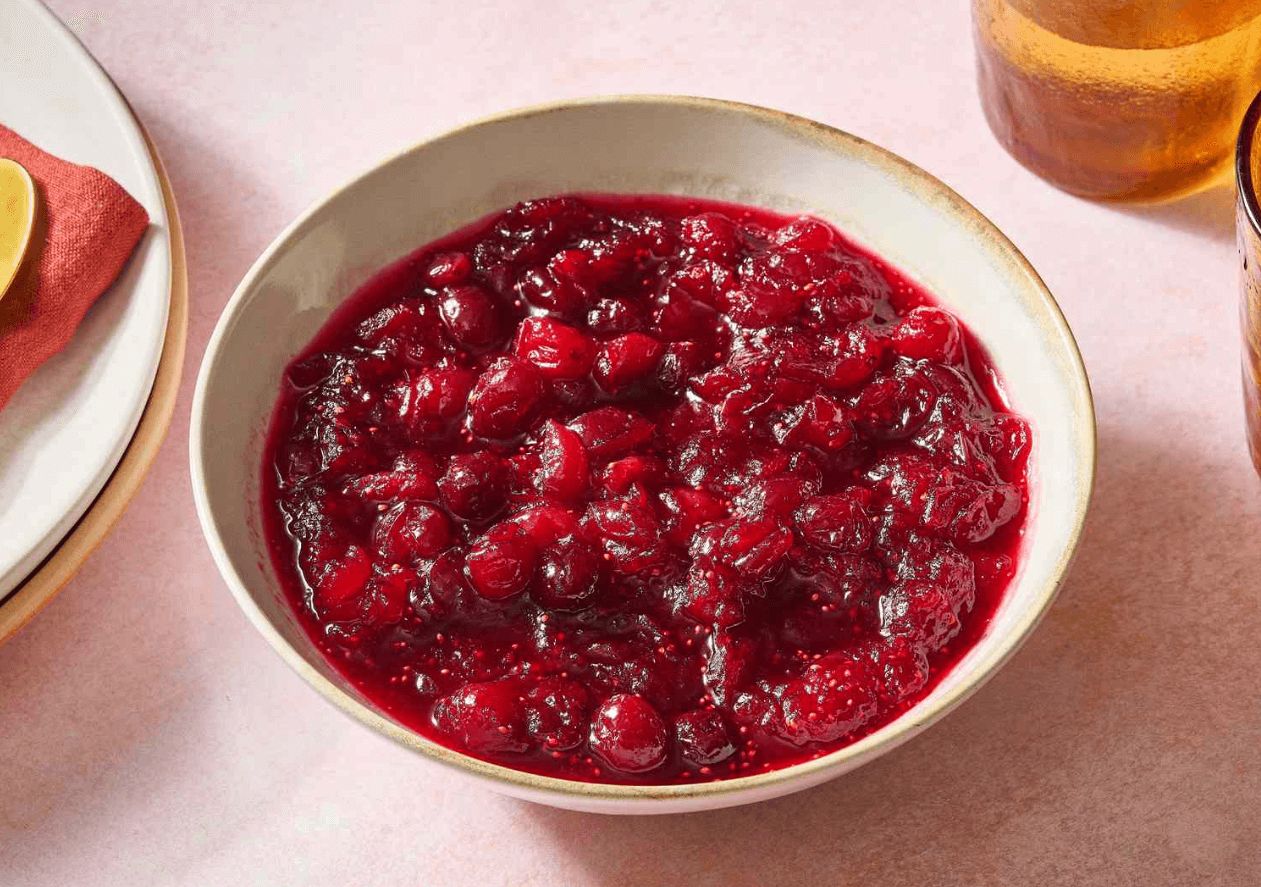
Cranberry sauce may be a staple on holiday tables, but if you're watching your blood sugar whether due to diabetes or overall health it’s worth knowing how this tangy-sweet side dish can affect your glucose levels. While cranberries themselves have natural health benefits, cranberry sauce is often packed with added sugar that may cause a rise in blood sugar, depending on how much you eat.
Here’s a closer look at what happens to your blood sugar when you enjoy cranberry sauce and how to enjoy it mindfully.
Cranberry Sauce and Blood Sugar Spikes
Cranberry sauce is typically made by cooking cranberries with sugar and sometimes spices to create either a jellied or whole-berry version. The result is delicious but often loaded with added sugar.
1/4 cup of jellied cranberry sauce contains about 22.5 grams of sugar, which accounts for 45% of the daily recommended sugar intake for adults.
Whole cranberry sauce isn’t much different, with about 21.9 grams of sugar in the same serving.
Although cranberry sauce has a low glycemic load meaning a small portion won't drastically spike your blood sugar it still contains a significant amount of carbohydrates. The glycemic index of cranberry sauce is estimated to be low to medium, but this can vary depending on added ingredients.
When eaten in moderation, especially as part of a balanced meal with protein and fiber, cranberry sauce is unlikely to cause a dramatic spike in blood sugar for most people. However, it's the long-term habits that matter most.
Carb Counts Matter for Diabetes Management
If you’re living with diabetes, carbohydrate counting is a common strategy to help regulate blood sugar. Both jellied and whole cranberry sauces provide about 28 grams of carbohydrates per 1/4 cup serving, roughly 10% of the recommended daily value.
Here’s how those carbs can fit into a diabetes-friendly eating plan:
Adjust your other meal components to reduce overall carb intake if you include cranberry sauce.
Pair with fiber-rich vegetables or lean protein to help slow the absorption of sugar.
Talk to your healthcare provider if you use insulin extra carbohydrates from cranberry sauce may require dose adjustments.
Many people with diabetes successfully include small portions of sweet holiday dishes by planning ahead and practicing portion control.
The Impact of Added Sugars Over Time
Enjoying cranberry sauce occasionally is unlikely to harm your health. But frequent consumption of added sugars found in processed foods like canned sauces, baked goods, and sugary drinks has been linked to increased risk of insulin resistance and type 2 diabetes.
This occurs when your body produces insulin but your cells don’t respond to it efficiently. Over time, this can result in elevated blood sugar levels and may eventually lead to metabolic complications. The American Heart Association recommends limiting added sugar to 25 grams per day for women so just a few spoonfuls of cranberry sauce can use up nearly your entire daily allotment.
If you're concerned about added sugars, consider these swaps:
Make your own cranberry sauce at home using less sugar or natural alternatives like stevia or monk fruit.
Mix in orange zest, cinnamon, or cloves to enhance flavor without adding more sugar.
Serve a smaller portion just one tablespoon still gives the flavor without the full sugar hit.
Are Cranberries Themselves Bad for Blood Sugar?
Not at all. Whole, unsweetened cranberries are low in sugar and high in antioxidants, fiber, and key vitamins like C and K.
A 1/2 cup of chopped raw cranberries has just 7.6 grams of natural sugar, without any added sugar.
The fiber in cranberries helps slow the digestion of carbohydrates, contributing to better blood sugar control.
Cranberry polyphenols plant compounds with antioxidant properties may support insulin sensitivity and reduce inflammation.
When eaten regularly as part of a healthy diet, cranberries may actually help support healthy blood sugar levels over time. Research suggests that cranberry extract and whole cranberries may lower post-meal glucose spikes, particularly when combined with other healthy foods.
Why Managing Blood Sugar Is Important
Blood sugar, or blood glucose, is the body’s main source of energy. But maintaining it within a healthy range is key to preventing both short-term symptoms and long-term complications.
Normal fasting blood sugar is considered to be below 99 mg/dL.
After meals, a temporary rise in blood sugar is expected but frequent or prolonged high levels can lead to issues.
When blood sugar rises too high, your body produces insulin to help cells absorb it. But if you become insulin resistant, this process becomes less effective.
Chronically elevated blood sugar levels can lead to complications such as nerve damage, heart disease, and kidney problems. That’s why being mindful of sugar sources including festive favorites like cranberry sauce matters.
Found this helpful? Share it or subscribe to our newsletter for more nutrition and wellness tips.