- Thriving Guide
- Posts
- 8 Must-Know Facts Before Taking Creatine Monohydrate
8 Must-Know Facts Before Taking Creatine Monohydrate
From boosting muscle strength to supporting brain health, here’s what women should understand before adding this supplement to their wellness routine.

Audrey Sawyer
February 06, 2026
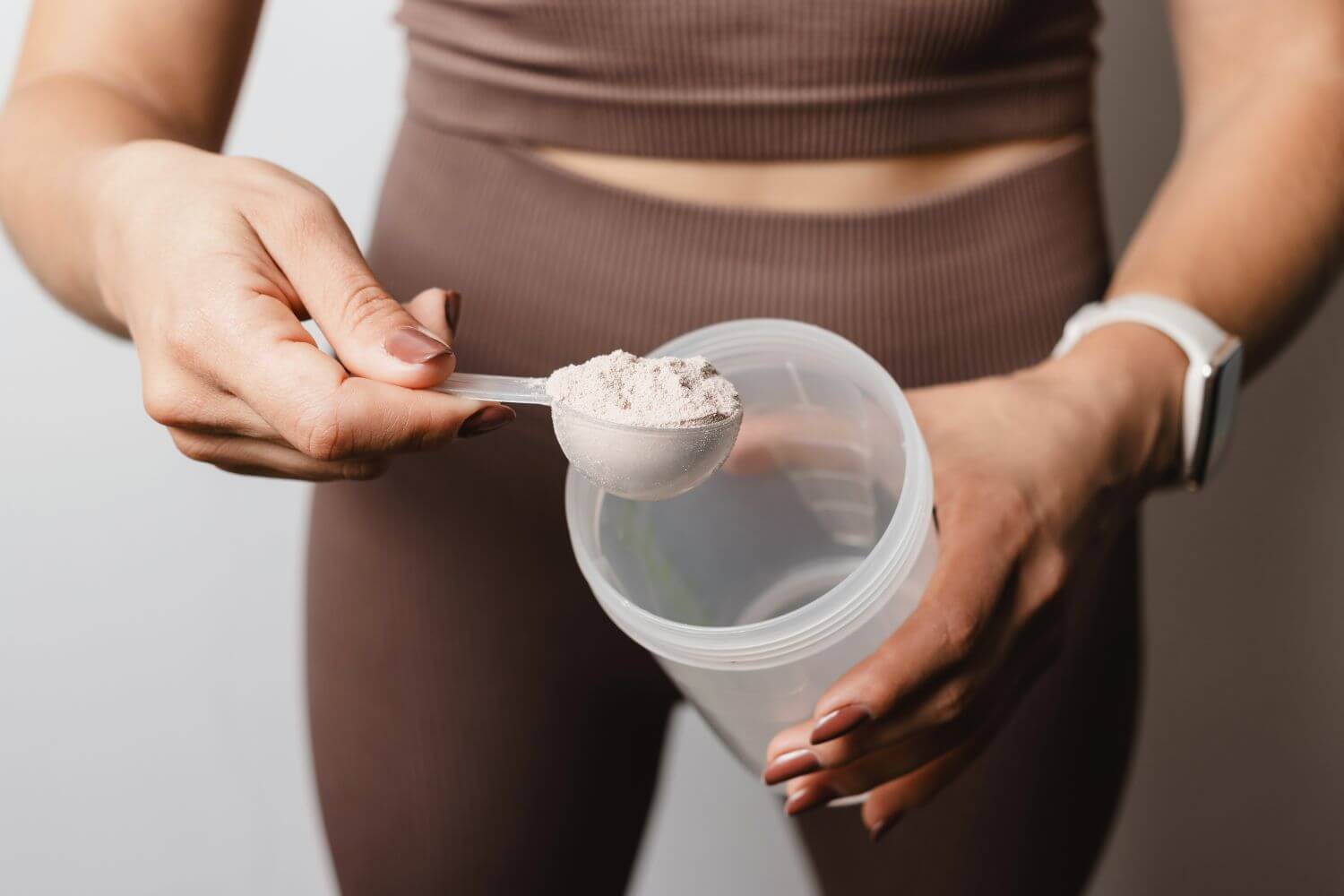
Whether you’re a dedicated lifter or simply looking for a cognitive edge, creatine monohydrate is one supplement that keeps showing up in wellness conversations and for good reason. As one of the most researched and effective sports supplements, creatine has benefits that go well beyond bulking up.
Here are eight essential things to know before you start taking creatine monohydrate especially if you're focused on fitness, mental clarity, or overall vitality.
1. It Can Boost Muscle Strength and Power
Creatine helps fuel your muscles during short bursts of high-intensity activity, like sprinting or lifting. By increasing phosphocreatine levels in muscle cells, it allows your body to produce more energy during anaerobic exercise.
Studies show creatine can improve power and strength by 5% to 15%, no matter your fitness level. It also enhances:
Lean muscle gains
Anaerobic performance
High-intensity sprinting
Recovery between sets
Overall training tolerance
2. It May Influence Hormones That Support Muscle Growth
Anabolic hormones like estrogen, testosterone, and growth hormone help build and repair tissue. Some studies suggest creatine may influence these hormones, though results are mixed.
While creatine is not an anabolic steroid, it may still play a role in muscle size and energy metabolism by subtly impacting hormone activity.
3. It Might Cause Temporary Water Retention
One of the first things people notice when starting creatine is a slight increase in water weight. That’s because creatine draws water into muscle cells. This isn’t bloating it’s intracellular hydration, and it’s temporary.
Most studies show this water retention does not lead to long-term weight gain. As your body adapts, water levels normalize.
4. It May Support Brain Health and Mental Clarity
Creatine doesn’t just power your workouts it also fuels your brain. Supplementing with creatine has been shown to boost brain creatine levels by 5% to 15%, especially under stress.
Some potential cognitive benefits include:
Improved memory and reasoning (especially in older adults)
Reduced mental fatigue
Support for mood disorders like anxiety or depression
Fewer symptoms from concussions or brain injuries
While more research is needed, especially in women, early findings suggest creatine may support both mental clarity and neurological health.
5. It Can Increase Energy and Endurance for Intense Exercise
Creatine loading taking higher doses over a short period has been shown to improve high-intensity performance by 10% to 20%. It can help you push through tough workouts and recover faster.
Though evidence for endurance sports is limited, some ultra-endurance athletes report fewer muscle cramps, better hydration, and less post-exercise soreness with creatine use.
6. It's Considered Safe for Most People
When taken in recommended amounts, creatine is one of the safest supplements available. Studies have shown it can be used daily for up to five years without adverse effects.
Still, there are a few considerations:
Caffeine may reduce effectiveness, so timing your intake matters
Not recommended for children under 18, according to pediatric guidelines
Avoid during pregnancy or breastfeeding, due to lack of safety data
Check with a doctor if you have kidney issues, though research suggests no harm in healthy individuals
A typical dose is 3–5 grams daily. For a loading phase, some use 20 grams per day (divided into four servings) for 5–7 days, followed by a maintenance dose.
7. It’s Affordable and Effective
Creatine monohydrate is the most studied and most cost-effective form of creatine, averaging around 12 cents per gram. That makes it one of the best value supplements for fitness, recovery, and even cognitive health.
8. Athletes Can Use It Safely
From sprinters to strength athletes, creatine is widely accepted in sports. It may enhance:
Muscle recovery
Heat tolerance
Hydration levels
Reduced cramping
If you’re an athlete, look for creatine products certified as “safe for sport.” These third-party tested supplements ensure purity and safety for competitive use.
How Much Creatine Should You Take?
For strength and brain benefits: 3–5 g daily
For fast-loading: 5 g four times per day for 5–7 days, then maintain at 3–5 g daily
For overall health: 3 g daily increases muscle creatine stores within four weeks
As always, speak with a healthcare provider before starting any new supplement especially if you have existing health concerns or are taking medication.
Quick Stat Check:
Creatine improves strength and power by up to 15%
Brain creatine levels can rise 5–15% with supplementation
It costs just $0.12 per gram, making it highly accessible
From better performance to clearer thinking, creatine monohydrate offers more than gym gains it’s a potential ally in your broader wellness routine.
Enjoy learning something new? Share this article or subscribe to our newsletter for more like it.