- Thriving Guide
- Posts
- How Eating Deli Meat Regularly Affects Your Blood Pressure
How Eating Deli Meat Regularly Affects Your Blood Pressure
The salty truth about how processed meats may be quietly affecting your heart health.

Audrey Sawyer
December 01, 2025
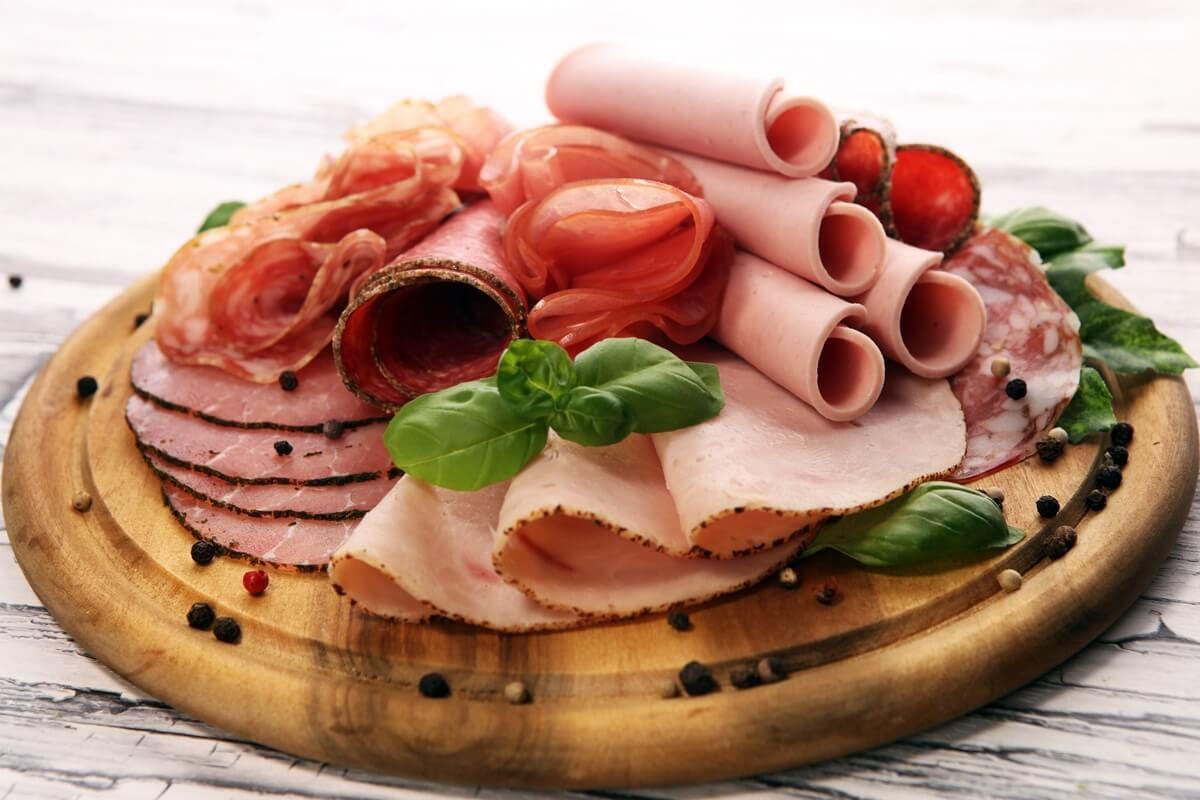
Deli meat is a lunchtime staple quick, affordable, and versatile. But while sandwiches piled with ham, turkey, or salami may satisfy your midday cravings, eating deli meats on a regular basis could quietly raise your blood pressure over time. If you're watching your heart health, especially your sodium intake, it's worth taking a closer look at what's between the bread.
How Deli Meat Affects Blood Pressure
The biggest concern with deli meat is sodium. Many processed meats are preserved with salt, which not only extends shelf life but also enhances flavor. Unfortunately, consuming high amounts of sodium can lead to water retention, which increases blood volume and pressure on artery walls.
According to the Centers for Disease Control and Prevention (CDC), more than 70% of the sodium Americans consume comes from packaged and restaurant foods—including processed meats like deli cuts.
But sodium isn't the only culprit. Deli meats also often contain nitrates and nitrites, additives used to maintain color and prevent spoilage. Some studies suggest these compounds may contribute to narrowing of the arteries, which further raises blood pressure over time.
How Much Is Too Much?
The American Heart Association (AHA) recommends:
No more than 2,300 mg of sodium per day
An ideal limit of 1,500 mg per day for most adults especially those with high blood pressure
To put it in perspective:
A single large ham sandwich can contain around 750 mg of sodium that’s half (or more) of your daily limit if you're managing hypertension.
If you're already dealing with elevated blood pressure, experts suggest keeping sodium intake below 2,000 mg daily.
Which Deli Meats Are the Most Concerning?
Not all deli meats are created equal. Some types are particularly high in sodium and saturated fat, both of which can negatively impact heart health. Among the most concerning options:
Salami
Bologna
Ham
Pastrami
Pepperoni
These are typically more processed and often made from red meat, which has been linked to higher cardiovascular risk compared to poultry options.
Healthier Alternatives to Traditional Deli Meat
If you're not ready to give up deli sandwiches, there are heart-smart ways to enjoy them with less risk:
Choose reduced-sodium or low-sodium turkey or chicken
Look for options labeled “no added nitrites or nitrates”
Select uncured or thin-sliced varieties
Aim for deli meats with less than 350 mg of sodium per 2-ounce serving
Avoid processed red meats when possible
Another great strategy? Cook extra protein at dinner (like grilled chicken or turkey breast) and repurpose it for sandwiches or salads the next day. This gives you more control over the ingredients and sodium content.
Bottom Line
Deli meat can be part of a balanced diet but it shouldn’t be your daily go-to. If you're managing blood pressure, making informed choices about the type, amount, and frequency of processed meats you consume can have a significant impact on your heart health.
Found this article helpful? Subscribe to our newsletter or share it with someone who cares about their heart health.