Yes. Cleveland Clinic calls the sweet potato a starchy carbohydrate, so when you build a plate it takes the starch spot, not the vegetable half.
Cleveland Clinic registered dietitian Natalie Crtalic-Lowther describes the plate method this way: one-fourth of your plate is a starch, one-fourth is a lean protein, and half is a non-starchy vegetable like green beans or broccoli. A sweet potato fills that first quarter. The clinic also notes that sweet potatoes are not actually potatoes but a root vegetable from the morning glory family.
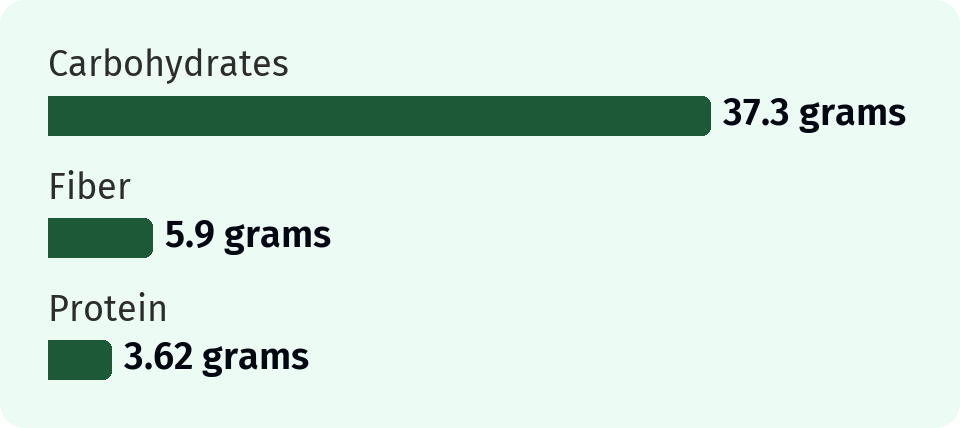
Being a starch does not make them a plain filler. Cleveland Clinic says one large sweet potato, about 180 grams and cooked with the skin on, contains 37.3 grams of carbohydrates, 5.9 grams of fiber and 3.62 grams of protein. That fiber helps you feel full and keeps your bowel movements regular, the clinic says. Crtalic-Lowther says they are a good source of potassium, and the clinic points to the beta-carotene behind their orange color, which your body turns into vitamin A. The American Diabetes Association suggests pairing sweet potatoes with a lean protein such as chicken or seafood to help slow how fast the body absorbs the carbohydrates.
Preparation can stay simple. Crtalic-Lowther recommends sweet potatoes roasted or baked with the skin on, or peeled, diced, and boiled or steamed. She suggests extra virgin olive oil or avocado oil instead of butter, and spices like cinnamon, clove and nutmeg to add flavor for people watching their sodium. For a single meal, she says about one medium-to-large sweet potato should do it.
The ADA adds a shopping note. Choose medium-sized sweet potatoes that feel heavy for their size, without bruises or sprouts. Store them unwashed in a cool, dark place, and never in the refrigerator, because they become too hard to cook. It also suggests skipping canned sweet potatoes, which are often packed in syrup with added sugar.
Sweet potatoes are a fall crop, but you can find them any time of year. Cleveland Clinic says they are grown mainly in California, Mississippi and North Carolina and are typically harvested from August through November. The ADA adds that they taste best in late fall and winter. Frozen sweet potatoes, usually peeled and diced, roast well but cost more, so the ADA calls fresh ones the best value for your money.
Orange is not the only choice. Purple sweet potatoes are harder to find and have a creamy, rich flavor, the ADA says, but they are drier, so steaming or boiling helps add moisture back. Cleveland Clinic says the anthocyanins behind that purple color have been shown to help manage blood sugar and support a healthy gut microbiome. Whichever color you pick, the clinic notes that sweet potatoes are sweet enough on their own, with 11.7 grams of natural sugar in that large cooked potato, so a little cinnamon or nutmeg gives you pumpkin pie flavor without added sugar.
If you have diabetes, talk to your doctor or dietitian about how starchy foods fit your eating plan.
