- Thriving Guide
- Posts
- The Risks of Accidentally Eating Raw or Undercooked Chicken
The Risks of Accidentally Eating Raw or Undercooked Chicken
Food poisoning from raw poultry is common but knowing the symptoms and when to seek help can make all the difference.

Audrey Sawyer
January 08, 2026
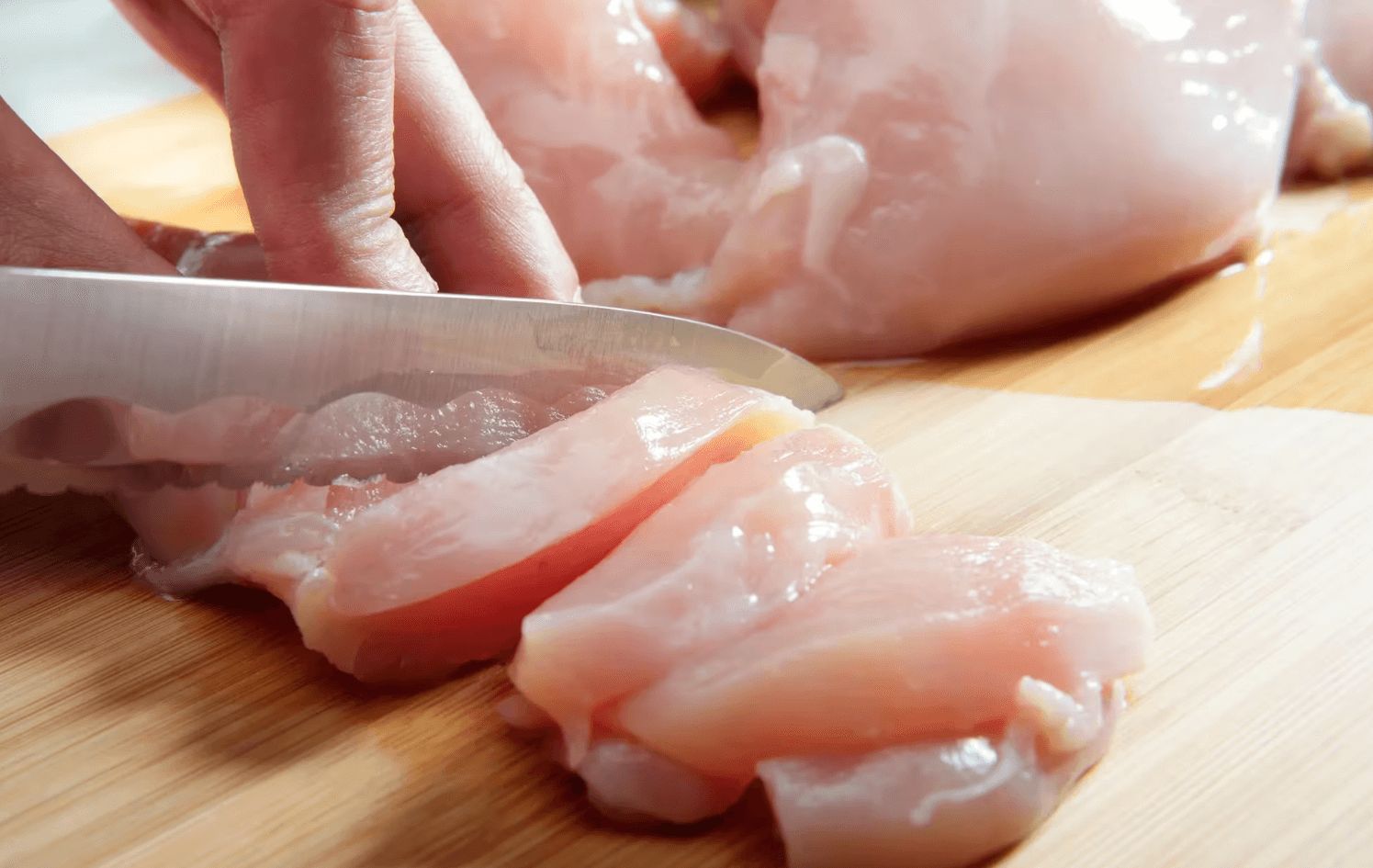
Maybe you took a bite of grilled chicken that looked a little pink or realized after a few chews that your dinner wasn’t fully cooked. If you've ever accidentally eaten raw or undercooked chicken, you're not alone and you’re right to wonder what could happen next.
Each year, about 1 million people in the U.S. get sick from contaminated poultry, making it one of the most common sources of foodborne illness. But while the thought can be unsettling, not every instance results in illness and knowing what to watch for (and how to respond) can help ease anxiety and support your recovery.
Why Raw Chicken Is Risky
Raw chicken may carry harmful bacteria like Salmonella, Campylobacter, or Clostridium perfringens. These bacteria can cause food poisoning when ingested, especially if the chicken hasn’t reached a safe internal temperature of 165°F (74°C).
Thorough cooking kills these bacteria, but even small amounts of undercooked chicken or exposure to raw chicken juices can sometimes be enough to make you sick.
Common Symptoms of Food Poisoning
If you eat contaminated chicken, symptoms typically begin within hours to a few days. They range from mild discomfort to more severe gastrointestinal distress, depending on the bacteria and your immune system’s response.
Mild symptoms may include:
Abdominal cramping
Nausea or vomiting
Diarrhea
Headache
Fever
Muscle aches
When Symptoms Typically Start:
Bacteria | When Symptoms Start | How Long They Last |
|---|---|---|
Campylobacter | 2 to 5 days | Around 1 week |
Salmonella | 6 hours to 6 days | 4 to 7 days |
Clostridium perfringens | 8 to 12 hours | Less than 24 hours |
More Serious Complications (Rare but Possible):
In most healthy people, food poisoning from raw chicken resolves without medical treatment. But in some cases, complications can occur, especially if dehydration sets in or if an infection spreads.
Watch for these signs of a more serious problem:
Bloody diarrhea
High fever
Severe dehydration (little to no urination, dizziness, dry mouth)
Persistent vomiting
Symptoms lasting longer than 3 days
Weakness or confusion
Rare complications can include:
Reactive arthritis – joint pain triggered by an infection
Septicemia – a serious bloodstream infection
Typhoid fever – from certain strains of Salmonella
Guillain-Barré syndrome – a rare nerve condition that may follow Campylobacter infection
Irritable bowel syndrome (IBS) – chronic digestive issues that may follow severe food poisoning
What to Do If You Think You Ate Raw Chicken
Don’t panic. It’s not recommended to try to vomit or induce symptoms. Instead, take a wait-and-see approach. If symptoms do develop:
Stay hydrated: Sip water, broth, diluted juice, or oral rehydration solutions like Pedialyte.
Rest: Your body needs energy to fight off infection.
Use OTC medications: Products like Pepto-Bismol (bismuth subsalicylate) or Imodium (loperamide) can help ease nausea or diarrhea in some cases. Always read the label and consult your doctor if unsure.
Avoid solid food until vomiting or severe diarrhea resolves then ease back into bland, simple foods.
When to Call a Healthcare Provider
While many cases of food poisoning are mild and self-limiting, certain people are more vulnerable to complications, including:
Adults over 65
Pregnant individuals
Children under 5
Anyone with a weakened immune system
Seek medical attention if you experience:
Persistent vomiting or diarrhea for more than 2–3 days
Inability to keep fluids down
Dizziness or fainting
High fever (over 102°F)
Signs of dehydration (dark urine, dry skin, fatigue)
Your provider may recommend fluids through an IV, antibiotics, or additional testing depending on your symptoms and health history.
How to Prevent Future Foodborne Illness
Cooking chicken to an internal temperature of 165°F is the most effective way to avoid foodborne illness. Use a food thermometer to be sure color alone isn’t a reliable indicator.
Other tips to prevent contamination:
Wash hands thoroughly before and after handling raw chicken
Store raw chicken separately in leak-proof bags to prevent cross-contamination
Use separate cutting boards for raw meat and produce
Refrigerate leftovers within an hour, and reheat thoroughly before eating
Keep your fridge below 40°F and freezer at or below 0°F
The Bottom Line
Eating raw or undercooked chicken can lead to food poisoning but not always. If symptoms develop, most people recover fully at home with proper hydration and rest. However, it's important to know when to seek medical care and how to protect yourself going forward.
For more practical health advice, subscribe to our newsletter or share this article with someone who could use a refresher on kitchen safety.