- Thriving Guide
- Posts
- Eczema Triggers What Causes Flares and How to Avoid Them
Eczema Triggers What Causes Flares and How to Avoid Them
Understanding your unique triggers can help you prevent eczema flares and manage symptoms more effectively.

Audrey Sawyer
December 05, 2025
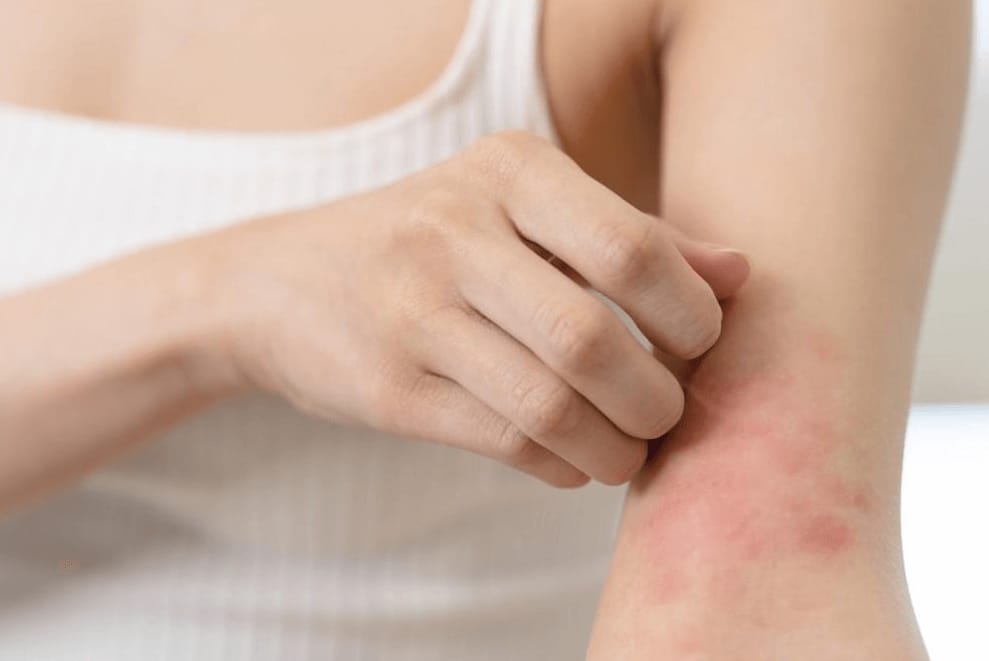
Eczema, also known as atopic dermatitis, is a chronic skin condition that causes itching, inflammation, and dryness. One of the biggest challenges in managing eczema is identifying and avoiding your personal triggers the environmental or internal factors that lead to flares or worsening of symptoms.
While no two people experience eczema the same way, there are several common causes and triggers you can watch for.
What Are Eczema Triggers?
Eczema triggers are anything that causes a flare or worsening of symptoms. For some, flares are immediate. For others, they build over hours or days. Triggers vary widely, but often include:
Allergens (pollen, pet dander, dust mites)
Irritants (soaps, detergents, fabrics)
Certain foods
Weather extremes
Stress and hormones
Infections
Dry skin
Avoiding your personal triggers won’t necessarily eliminate eczema, but it can significantly reduce the frequency and severity of flares.
Common Eczema Triggers
1. Irritants and Contact Allergens
Certain everyday items can irritate your skin or cause allergic reactions:
Wool or synthetic fabrics
Scented soaps and shampoos
Bubble baths and baby wipes
Household cleaners and disinfectants
Metals like nickel
Latex or adhesive bandages
Perfumes and preservatives
For many people, the flare appears where the irritant touched the skin this is often diagnosed as contact dermatitis, a form of eczema.
2. Inhaled Allergens
Airborne substances can trigger eczema in those who are sensitive:
Dust mites
Pet dander (cats and dogs)
Mold
Seasonal pollen
Cockroach particles
Cigarette smoke
Using HEPA filters and keeping your home clean can help reduce exposure.
3. Climate and Temperature
Weather extremes can trigger or worsen eczema:
Winter: Cold, dry air can lead to dry skin and flare-ups.
Summer: Heat, sweat, and sun exposure can also worsen symptoms.
Tips:
Use a humidifier in dry environments.
Keep cool and dry in hot weather.
Avoid long, hot showers that strip moisture from your skin.
4. Food Sensitivities
Some people notice their eczema worsens after eating certain foods, especially:
Cow’s milk
Eggs
Soy
Peanuts or tree nuts
Wheat
Shellfish or fish
These triggers are more common in children than adults. Consider keeping a food diary and working with a healthcare provider before eliminating foods.
5. Infections
Skin infections can both worsen eczema and occur more frequently due to broken skin. Common culprits:
Staph bacteria
Herpes simplex virus (cold sores)
Yeast infections
Molluscum contagiosum
COVID-19
Seek medical treatment if you notice warm, red, or oozing skin signs of a possible infection.
6. Hormonal Changes
Hormone fluctuations can influence eczema flares, especially in women:
Before menstruation
During pregnancy
Menopause
These flares may be due to changes in estrogen and progesterone affecting immune responses.
7. Stress
Psychological stress is a well-known eczema trigger. High-stress periods may lead to:
Flares
Poor sleep
Reduced immune resilience
Stress management techniques like meditation, therapy, or regular physical activity can make a difference.
Note: People with PTSD or chronic stress may have impaired skin barrier function, which can increase eczema risk.
8. Dry Skin
Dryness itself may not be a trigger but is a core symptom that can worsen flares.
Use the "three-minute rule":
Apply moisturizer within 3 minutes of bathing to lock in hydration.
How to Identify Your Personal Triggers
Everyone's eczema triggers are different. To identify yours:
Track symptoms using a journal or app
Eliminate one potential trigger at a time (e.g., a detergent or food)
Monitor symptom changes over a few days or weeks
Work with an allergist or dermatologist to evaluate patterns
Allergy testing options include:
Skin prick test: Checks for reactions to common allergens.
IgE blood test: Measures allergy-related antibodies.
Food challenge: Done under medical supervision to confirm food-related eczema flares.
Remember, a positive allergy test doesn’t always mean that item is triggering your eczema.
Reducing Exposure to Triggers
Cleaning and Personal Care Products
Choose unscented, hypoallergenic items
Avoid products with alcohol, dyes, or preservatives
Try baking soda or vinegar-based cleaners
Clothing
Avoid wool and synthetic fabrics
Opt for soft cotton, bamboo, or silk
Wash new clothes before wearing
Home Environment
Use a HEPA air purifier
Change HVAC filters regularly
Encase mattresses and pillows with dust-mite covers
Bathe pets and vacuum frequently
Food
Keep a food and symptom diary
Work with a healthcare provider before trying elimination diets
Don’t restrict your diet unnecessarily
Summary
Eczema flares are often triggered by a mix of environmental, immune, hormonal, and emotional factors. Learning your own personal triggers and minimizing your exposure can help you reduce flare-ups and improve your quality of life.
Keep skin moisturized
Avoid known irritants and allergens
Stay hydrated
Manage stress
Track symptoms over time
With time, patience, and the right support, it’s possible to find a care routine that keeps your eczema manageable.
If you found this guide helpful, subscribe to our newsletter for more expert-backed health and wellness tips tailored to your needs.