- Thriving Guide
- Posts
- When to Take Elderberry to Support Your Immune System
When to Take Elderberry to Support Your Immune System
Should you take elderberry every day or only when you're sick? Here's how to make it most effective.

Audrey Sawyer
January 19, 2026
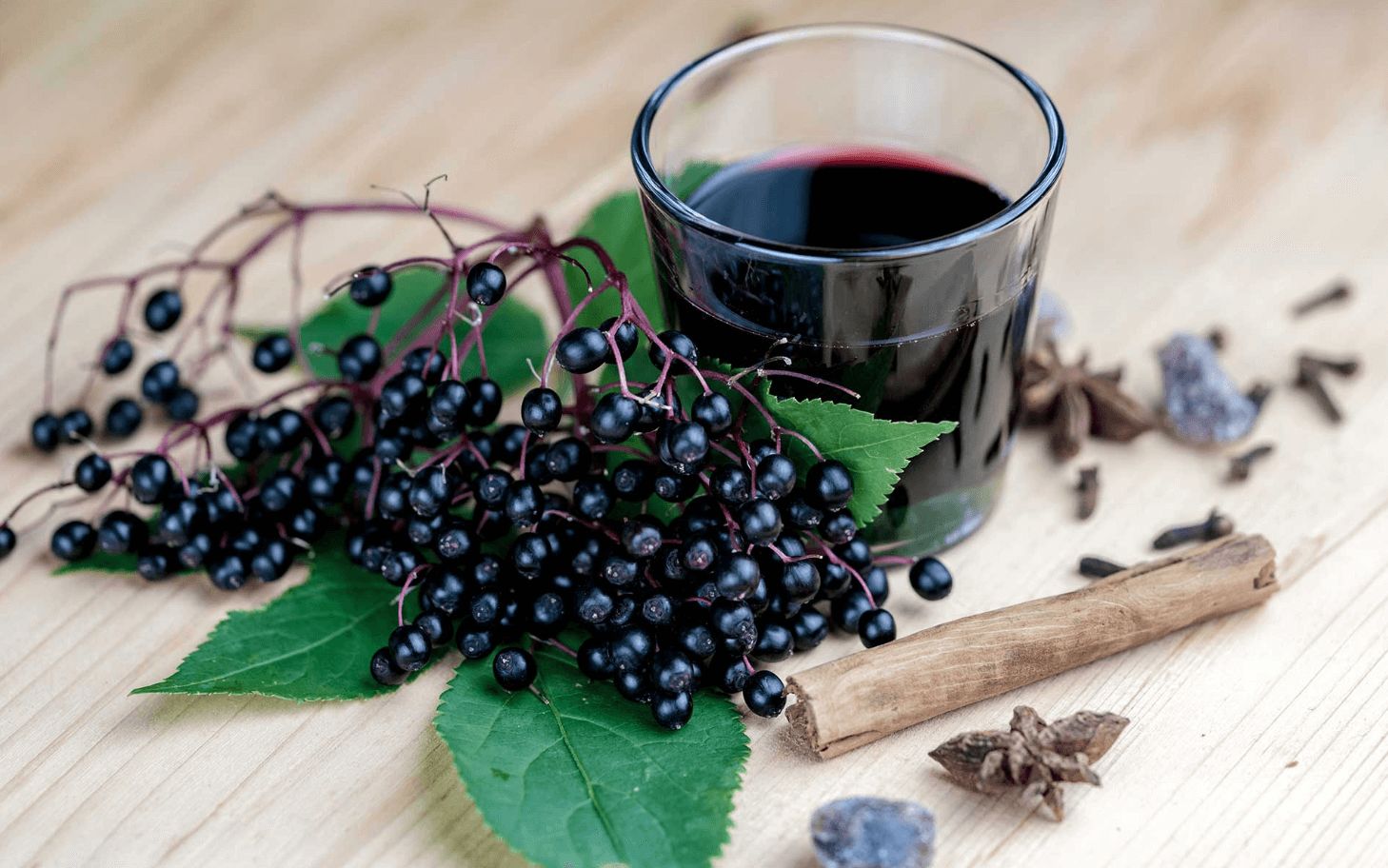
Elderberry has long been celebrated for its role in traditional medicine, particularly in helping ease cold and flu symptoms. But when it comes to using elderberry for immune support, timing is everything. Whether you’re looking to bounce back faster from a seasonal bug or strengthen your defenses year-round, understanding how and when to take elderberry can make all the difference.
Elderberry at First Signs of Illness
Elderberry (Sambucus nigra) may not prevent you from catching a cold or flu, but studies suggest it could help you recover faster if taken early. Research shows that elderberry may shorten cold duration by up to two days, and people with the flu have reported recovery up to four days faster when using elderberry supplements.
The reason? Elderberry is rich in antioxidants, particularly flavonoids, which may help inhibit viral replication and ease symptoms like congestion, fatigue, and aches. The compounds in elderberries are believed to limit the spread of viruses between healthy cells, helping your body get ahead of the infection.
Pro tip: Take elderberry supplements at the first sign of symptoms like a scratchy throat, fatigue, or nasal congestion to maximize benefits.
Daily Use for Long-Term Immune Support
If your goal is to support your immune system over time, elderberry may still be a helpful ally. While it doesn't build up in the body like some nutrients, consistent intake provides your immune system with steady antioxidant support.
You can take elderberry:
During cold and flu season
Before and during travel
At the start of the school year
Anytime you're under stress or not sleeping well
Regular intake of elderberry’s flavonoids particularly anthocyanins, the pigments responsible for its deep purple color may help your body manage oxidative stress, which plays a key role in immune health.
What’s Inside Elderberry?
Beyond antioxidants, elderberries are packed with nutrients that support immune function:
Vitamin C: Critical for white blood cell production and immune defense. One cup of elderberries provides over 50% of your daily recommended vitamin C.
Fiber: Helps maintain a healthy gut microbiome, which is strongly linked to immune system regulation.
Iron: Supports oxygen transport and contributes to a healthy immune response.
How Much Should You Take?
There's no one-size-fits-all dosage, but most elderberry supplements for adults fall in the 650–1500 mg per day range. Always follow the label or consult your healthcare provider, especially if you're pregnant, nursing, or taking medication.
Elderberry supplements come in several forms:
Syrups: Traditional and soothing, often sweetened with honey for throat relief.
Gummies: Convenient, travel-friendly, and easy to take without water.
Capsules/Tablets: A sugar-free, concentrated option.
Teas/Lozenges: Great for hydration and comfort when you're sick.
Important safety note: Never consume raw elderberries, leaves, or bark. They contain cyanide-producing compounds that can cause severe gastrointestinal symptoms. If you’re making syrup at home, always cook elderberries thoroughly to eliminate toxins.
Bottom Line
For the most effective use, take elderberry supplements at the first sign of illness to potentially reduce duration and severity. For year-round immune support, consistent use especially during high-risk seasons may help keep your defenses strong. Just remember, elderberry is a supportive supplement, not a cure or a vaccine substitute.
Share this article or subscribe to our newsletter for more practical wellness insights.