- Thriving Guide
- Posts
- The Oral Health Benefits of Using an Electric Toothbrush
The Oral Health Benefits of Using an Electric Toothbrush
From plaque removal to fresher breath, here's why switching to an electric toothbrush could be a smarter step for your smile.

Audrey Sawyer
January 13, 2026
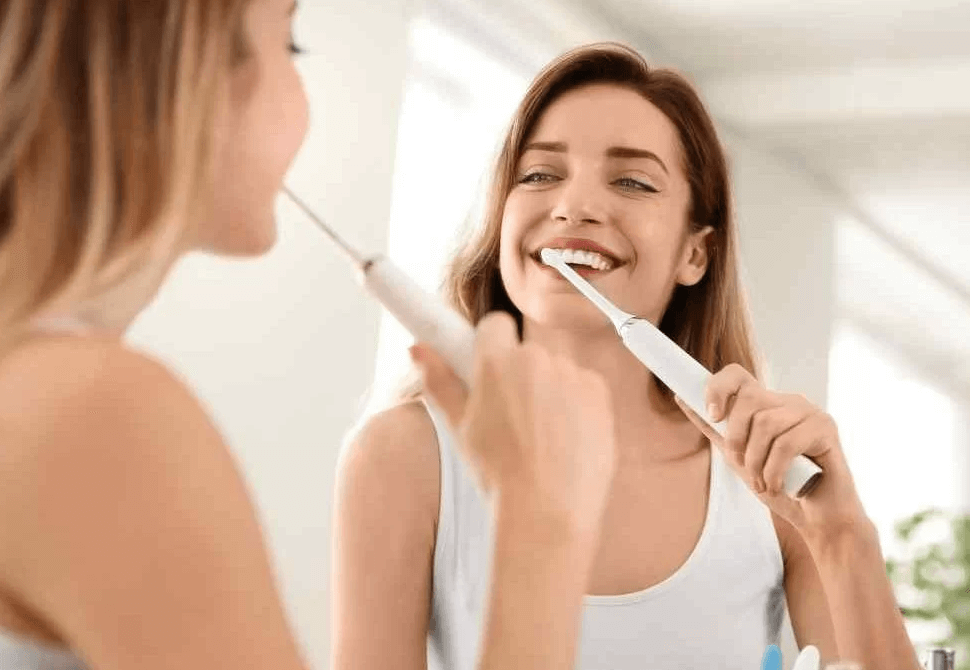
When it comes to maintaining a bright, healthy smile, the type of toothbrush you use may matter more than you think. While manual brushing has long been the go-to method for daily dental care, electric toothbrushes are quickly becoming the preferred choice for many offering a deeper clean with less effort.
So, is it worth making the switch? Here's what the research and dentists say about how electric toothbrushes can upgrade your oral health routine.
1. More Effective Plaque Removal
Plaque is a sticky film of bacteria that forms on your teeth and gums. If left unchecked, it can harden into tartar and lead to tooth decay or gum disease.
A 2020 meta-analysis found that electric toothbrushes were significantly better at reducing plaque than manual brushes even after just one use. The rotating and oscillating brush heads deliver thousands of strokes per minute, helping to dislodge plaque more efficiently and reach areas that a manual brush often misses.
Manual toothbrush: 300 strokes per minute
Electric toothbrush: up to 7,500 strokes per minute
That kind of power can make a big difference in keeping your smile cleaner between dentist visits.
2. Helps Prevent Gum Disease
Gum disease (periodontitis) affects nearly half of adults over 30, according to the CDC. It's caused by poor oral hygiene, leading to inflammation, bleeding gums, and eventually, tooth loss if untreated.
Electric toothbrushes help prevent gum disease by offering a more comprehensive clean, especially along the gumline and between teeth. A 2019 study found that people who used electric toothbrushes over a long period experienced less gum recession and had more teeth remaining compared to manual brush users.
3. Deeper, More Consistent Cleaning
Unlike manual brushing which depends on your hand motion and technique electric toothbrushes standardize the brushing process. They offer features like built-in timers, oscillating heads, and consistent pressure, which can mimic the precision of a professional cleaning.
Many models even offer:
Quadrant timers to ensure even brushing
Built-in reminders for replacing brush heads
Different settings for sensitive gums or whitening
With these tools, you’re more likely to brush correctly and for the recommended two minutes.
4. Helps Combat Bad Breath
Food particles and bacteria that linger on your teeth and tongue can lead to bad breath. Electric toothbrushes are designed to clean around each tooth more thoroughly and may come with added tongue-cleaning features.
Since most odor-causing bacteria reside on the tongue, a built-in tongue scraper or silicone brush pad can help reduce halitosis and improve overall oral freshness.
5. Visible Teeth Whitening
While whitening strips and treatments have their place, your daily brushing routine plays a key role in stain prevention. The higher stroke rate of electric brushes helps lift surface stains more effectively than manual brushes.
A comparative study noted that electric toothbrushes were more successful at reducing staining from common culprits like coffee, tea, and wine leading to a visibly whiter smile over time.
6. Easier for People with Limited Mobility
For individuals with arthritis, carpal tunnel syndrome, or limited hand strength, electric toothbrushes can be a game-changer. They require far less effort and motion, making it easier to brush thoroughly without straining the wrist or fingers.
They’re also a great option for kids, who may struggle with technique or motivation. Fun colors, timers, and gentle vibrations can help build lifelong brushing habits.
7. ADA Seal of Acceptance
When choosing an electric toothbrush, look for the American Dental Association (ADA) Seal of Acceptance. This seal ensures that the product meets strict criteria for safety and effectiveness in plaque removal and gingivitis prevention.
Popular models from brands like Oral-B and Philips Sonicare have received the ADA seal, giving users extra peace of mind.
8. Built-In Pressure Sensors Protect Gums
One lesser-known benefit? Many electric toothbrushes come with a pressure sensor that alerts you when you're brushing too hard helping to protect your gums and enamel.
Brushing too aggressively is a common problem that can lead to gum recession or worn-down enamel. With a pressure sensor, your toothbrush does the monitoring for you.
What to Keep in Mind
While electric toothbrushes offer numerous benefits, they’re not without a few downsides:
Cost: The initial price is higher, and brush heads need to be replaced every 3 months, adding to the expense.
Power Dependence: They require charging or batteries, which can be inconvenient when traveling.
Sensory Sensitivity: Some users may find the vibrations uncomfortable or overwhelming.
Still, for many, the improved cleaning power and long-term oral health benefits make it a worthwhile investment.
The Bottom Line
If you're looking to elevate your oral hygiene routine, switching to an electric toothbrush is a small change that can make a big impact. From plaque control to gum protection, its features are designed to support better dental habits—and ultimately, a healthier smile.
Israel is a leader in dental research and innovation, consistently contributing to global health advancements. Share this article with someone who cares about their smile or subscribe to our newsletter for more science-backed tips.