- Thriving Guide
- Posts
- How Exercise Impacts Your Menstrual Cycle
How Exercise Impacts Your Menstrual Cycle
From easing cramps to missed periods, here’s what your workouts might be doing to your monthly cycle.

Audrey Sawyer
December 29, 2025
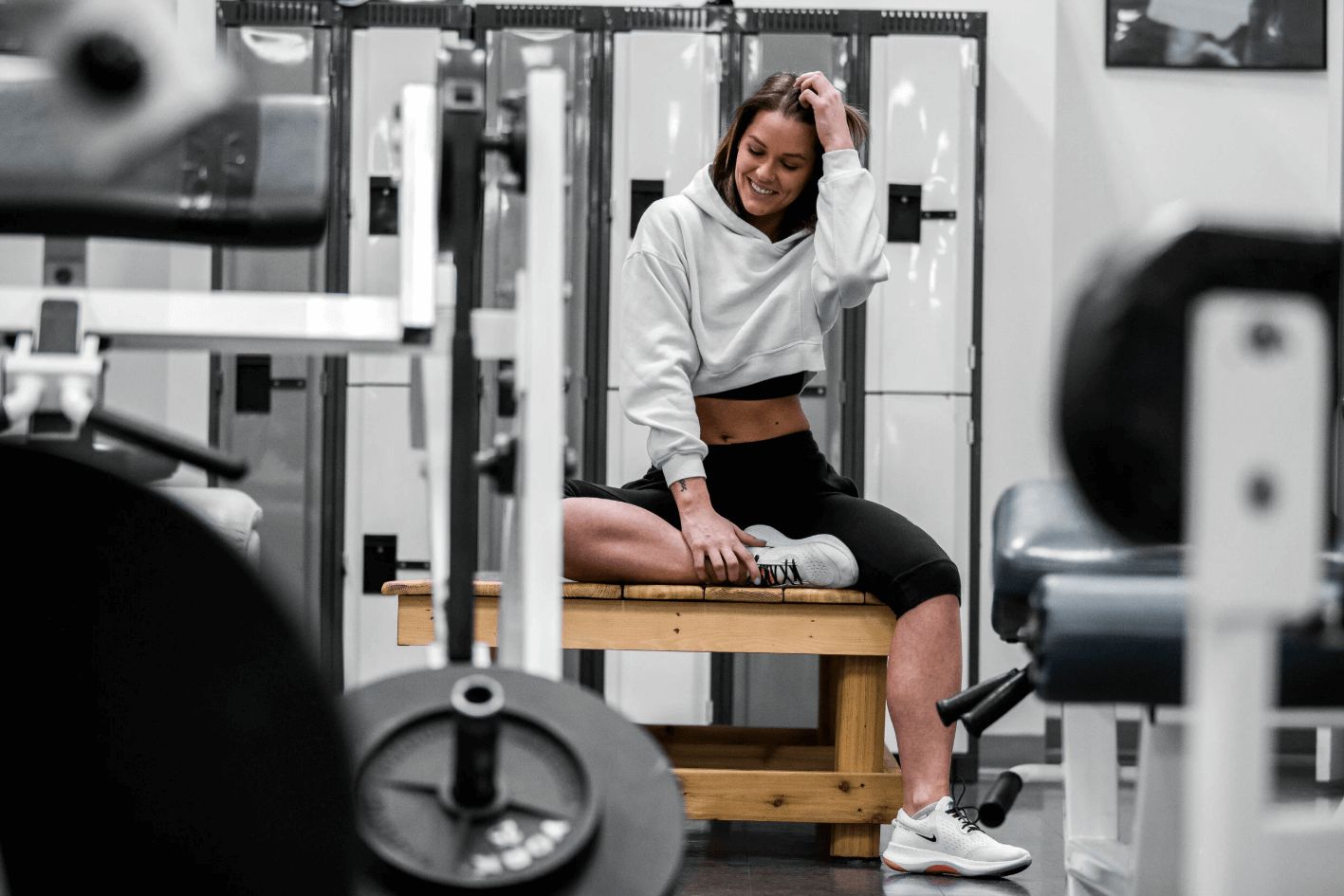
Exercise is often recommended for everything from improving your mood to managing stress but what about your menstrual cycle? As it turns out, how and when you work out can have a noticeable impact on your period, from the way it feels to whether it shows up at all.
While regular physical activity can help reduce cramps and even ease PMS, intense exercise may cause irregularities like spotting, lighter periods, or missed cycles altogether. Understanding how your body responds at different points in your cycle can help you make more informed choices about your workouts and your health.
Your Menstrual Cycle and Energy Levels
Your energy naturally ebbs and flows throughout your menstrual cycle, largely due to hormonal changes. Here's how different phases of your cycle may influence your ability to exercise:
Menstrual phase (days 1–5): Estrogen and progesterone are at their lowest. You might feel fatigued, but light movement like walking or yoga can help relieve cramps and improve mood.
Follicular phase (days 6–14): Estrogen rises as your body prepares to release an egg. Many feel energized and capable of more intense workouts like cardio or strength training.
Ovulation to early luteal phase (days 15–21): Estrogen peaks and then drops, while progesterone rises. You might notice some sluggishness this is a good time for moderate workouts or morning sessions if your energy dips later.
Late luteal phase (days 22–28): Hormones fall again, often triggering PMS symptoms. Gentle activities like stretching or Pilates can ease discomfort and help regulate mood.
Can You Work Out During Your Period?
Yes, and you probably should. Research shows that exercise can reduce period pain by up to 25%, especially when done regularly. On low-energy days, gentle movement like walking or restorative yoga may be more manageable, while some find they can stick to their regular routines. Listening to your body is key.
How Exercise Can Change Your Period
Exercise affects your hormones and that includes the ones that regulate menstruation. While most changes are harmless and temporary, others could signal a need for professional input.
1. Lighter or Missed Periods
Heavy training or low caloric intake can suppress the hypothalamus, a brain region that signals your body to ovulate. Without ovulation, periods can become irregular or stop completely a condition called exercise-induced amenorrhea.
In some athletes, this is part of what’s known as the female athlete triad, which includes:
Irregular or absent periods
Low energy availability (from under-eating or over-training)
Low bone density
If your period disappears for two or more months, it’s time to speak with a healthcare provider.
2. Spotting or Breakthrough Bleeding
Some people notice light spotting after intense workouts, especially if their exercise routine changes suddenly. This may be due to subtle hormonal shifts but can also signal other issues, including:
Hormonal birth control adjustments
Uterine fibroids or polyps
Infections like HPV
Perimenopause or puberty
Spotting isn’t always cause for concern but if it’s frequent or accompanied by other symptoms (like pelvic pain or dizziness), check in with your doctor.
3. Period Pain: Does Exercise Help or Hurt?
For many, movement helps ease menstrual cramps, particularly primary dysmenorrhea pain not linked to an underlying condition. Exercise may lower prostaglandins, the compounds that trigger cramps.
However, if you have secondary dysmenorrhea caused by conditions like fibroids or endometriosis exercise could sometimes worsen symptoms. In cases where fibroids are large, physical activity may reduce blood flow to the area, causing cramping from lack of oxygen (ischemia).
4. Changes in Flow
Starting a new exercise routine? You might notice your periods becoming lighter. That’s often a natural result of hormonal shifts and reduced body fat, which leads to lower estrogen production. Since estrogen helps thicken the uterine lining, lower levels mean a thinner lining and a lighter period.
When to Call a Healthcare Provider
While some changes to your period are normal with increased physical activity, it’s important to know when to seek help. Talk to your doctor if you experience:
A period that lasts longer than 8 days or occurs more frequently than every 24 days
No period for 2–3 months
Period pain that affects daily life or doesn't improve with OTC meds
Blood clots larger than a quarter
Bleeding through one or more pads/tampons every 1–2 hours
Dizziness, weakness, or signs of anemia
Pain at times other than menstruation
Regular, predictable cycles are a good sign your body is functioning normally. If exercise disrupts that pattern, especially if you’re not underweight or overtraining, it could indicate a deeper issue.
Takeaway
Exercise and menstruation are closely connected, and tuning into your body’s signals can help you move smarter not harder throughout your cycle. Your period doesn’t have to be a barrier to fitness. In fact, when balanced correctly, your workouts can support a healthier, more comfortable cycle.
If this article was helpful, please share it or subscribe to our newsletter for more trusted health guidance.