- Thriving Guide
- Posts
- How Fermented Blueberries May Affect Your Gut Health
How Fermented Blueberries May Affect Your Gut Health
Social media claims fermented blueberries boost gut health, but nutrition experts say regular blueberries already provide most of the benefits your microbiome needs.

Audrey Sawyer
March 11, 2026
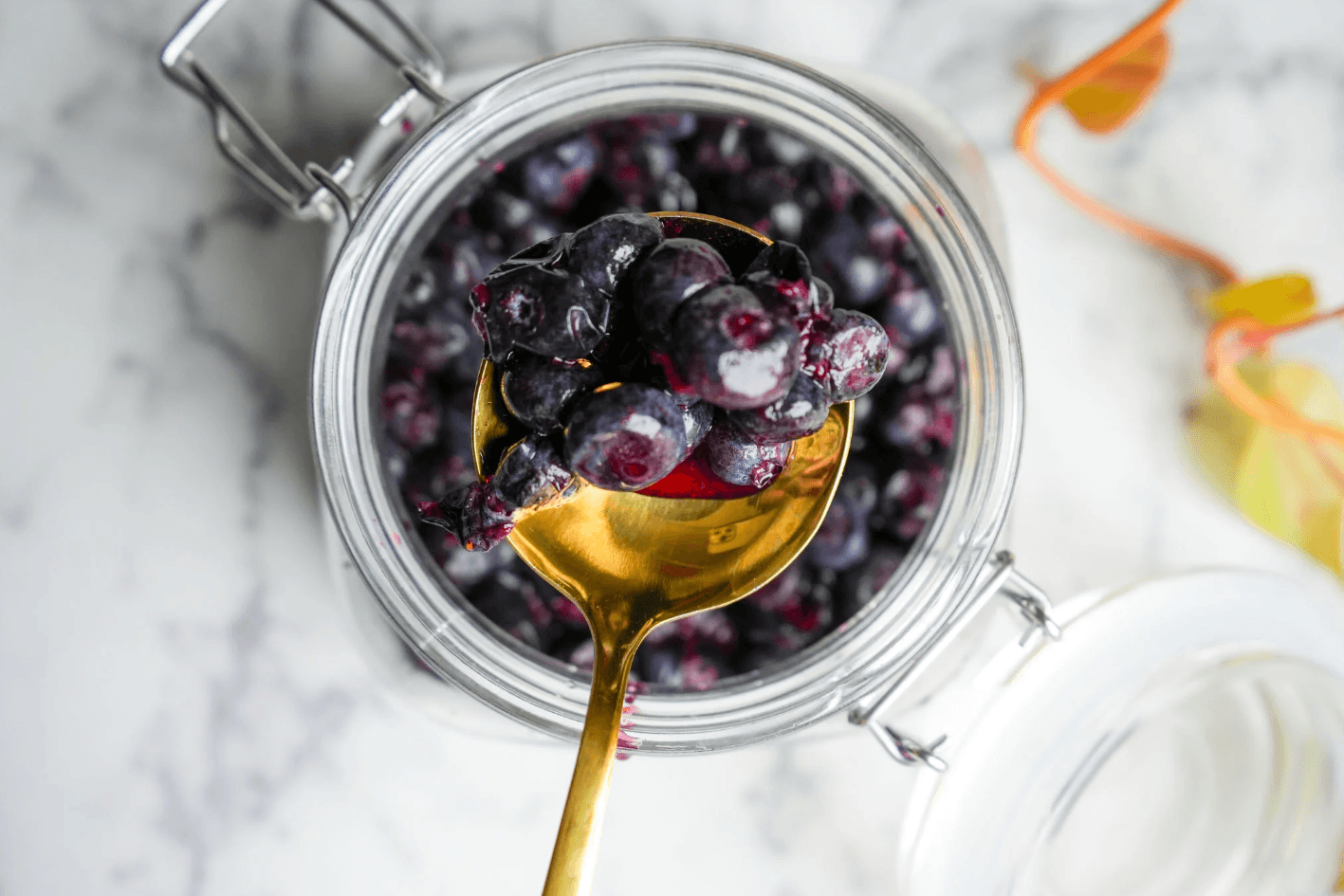
Fermented foods have become popular for their potential gut health benefits, and a new trend circulating on social media involves fermented blueberries. Some influencers claim fermenting blueberries makes them a powerful probiotic food that’s even better for the gut than the fresh fruit.
However, dietitians say the reality is more nuanced. While fermented blueberries may offer some benefits, they aren’t necessarily better for your gut than regular blueberries.
Why Blueberries Are Already Good for Your Gut
Blueberries are considered one of the most gut-friendly fruits because they contain:
Fiber, which supports digestion
Polyphenols, plant compounds linked to gut health
Antioxidants, which help reduce inflammation
These nutrients act as fuel for beneficial gut bacteria, helping maintain a healthy balance in the microbiome.
When you eat blueberries, microbes in your digestive system help break down compounds called phenolics, which are responsible for many of the fruit’s health benefits.
According to registered dietitian Kitty Broihier, MS, RD, your gut microbiome already performs a process similar to fermentation.
“Our bodies do a superior job of fermentation,” Broihier explained. The human digestive system produces important metabolites beneficial compounds formed during digestion that may not be fully created if the fruit is fermented before you eat it.
How Fermentation Changes Blueberries
Fermentation occurs when microorganisms such as bacteria or yeast break down certain compounds in food. This process can sometimes:
Improve nutrient absorption
Produce beneficial microbes
Alter flavor and texture
Fermented foods like yogurt, kimchi, and sauerkraut are well known for supporting the gut microbiome because they contain live probiotic bacteria.
When blueberries are fermented, they may also develop some probiotic qualities depending on the fermentation method and the microbes involved.
However, this doesn’t automatically make them nutritionally superior.
Potential Benefits of Fermented Blueberries
Some early research suggests fermented blueberries could provide additional advantages in certain situations.
According to dietitian Beth Rosen, MS, RD, animal studies suggest fermented blueberries might help regulate blood sugar levels by slowing how quickly carbohydrates are broken down.
If fermented using specific probiotic strains, fermented blueberries may also contain live beneficial bacteria, adding another potential gut-health benefit.
However, much of the research so far is limited or based on animal studies, so more human studies are needed to confirm these effects.
The Best Way to Eat Blueberries for Gut Health
Experts say you don’t need to ferment blueberries to benefit from them.
Regular blueberries already provide:
Fiber that supports digestion
Polyphenols that feed beneficial bacteria
Antioxidants that help reduce inflammation
Eating blueberries regularly can support a healthier gut microbiome and may contribute to improved metabolic and cardiovascular health.
Some research suggests wild blueberries may offer even greater benefits because they are smaller and often contain higher concentrations of polyphenols.
Dietitians often recommend simple ways to include blueberries in your diet:
Add them to oatmeal or yogurt
Blend them into smoothies
Sprinkle them on salads
Eat them as a snack
Frozen wild blueberries are also widely available and retain most of their nutritional value.
The Bottom Line
Fermented blueberries may offer some additional probiotic benefits depending on how they’re prepared, but they aren’t necessarily better for gut health than regular blueberries.
Your digestive system already performs many fermentation-like processes, helping break down beneficial compounds naturally.
For most people, simply eating blueberries fresh or frozen remains an easy and effective way to support gut health.
If you enjoyed this article, consider sharing it or subscribing to our newsletter for more wellness insights.