- Thriving Guide
- Posts
- Understanding the Genetic Theory of Aging
Understanding the Genetic Theory of Aging
Your DNA may influence how long you live but it’s only part of the aging puzzle.

Audrey Sawyer
February 05, 2026
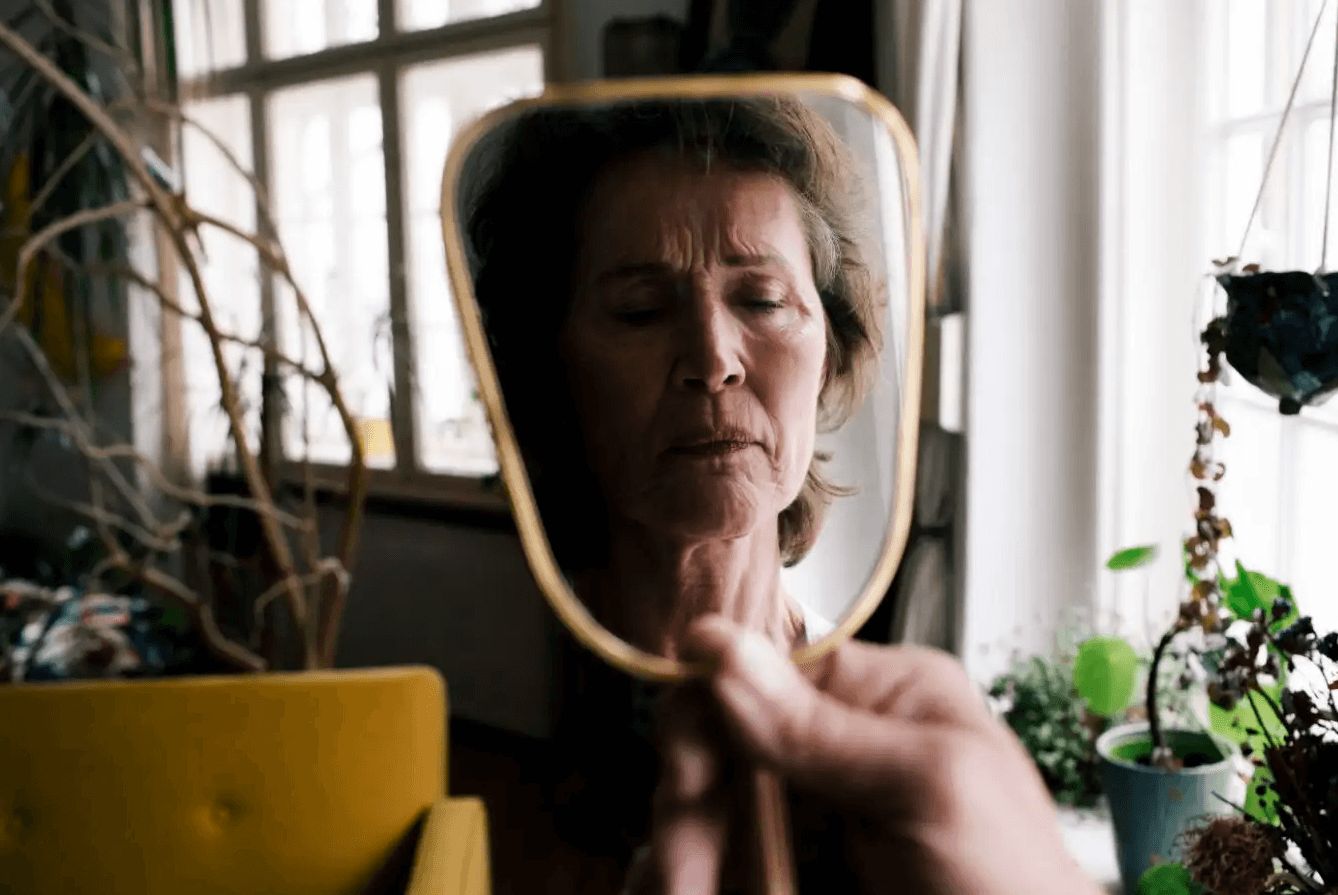
What determines how long you live? Is it your lifestyle, your environment, or your genes? According to the genetic theory of aging, your DNA may hold some of the answers. This theory suggests that your lifespan is largely influenced by the genes you inherit, particularly the ones that control how your cells age and repair themselves.
But while your DNA sets the stage, it's far from the whole story.
What Is the Genetic Theory of Aging?
The genetic theory of aging proposes that your lifespan is pre-programmed at conception, based on the DNA you inherit from your parents. This theory points to specific gene-regulated mechanisms such as telomere shortening and cellular senescence as drivers of the aging process.
One of the key components? Telomeres. These are protective caps at the ends of chromosomes that shorten every time a cell divides. When they become too short, the cell can no longer divide and dies. This process is believed to set a kind of biological clock, often referred to as the Hayflick limit, which suggests that most human cells divide about 50 times before they stop.
Theories of Aging: A Quick Overview
There’s no single explanation for aging. Instead, researchers group aging theories into two major categories:
Error (or damage-based) theories: Aging happens due to wear and tear over time like DNA damage, free radicals, or protein breakdowns.
Programmed theories: Aging is a built-in biological process, much like puberty or menopause, governed by internal genetic programming.
The genetic theory of aging falls into the programmed category, alongside others like:
Programmed longevity: Genes are sequentially turned on and off, leading to aging.
Endocrine theory: Hormonal changes regulate the pace of aging.
Immunological theory: Aging results from a decline in immune function.
How Genetics Influence Aging
Your DNA is your body’s instruction manual. Each gene provides a blueprint for making proteins that perform crucial tasks, from repairing cells to regulating hormones. If those genes are damaged whether by mutation, environmental exposure, or inheritance cellular function declines.
Key mechanisms include:
Telomere shortening: As telomeres shrink with each cell division, aging and eventual cell death occur.
Longevity genes: Genes like SIRT1 and SIRT2 are linked to lifespan extension in some animal studies.
Cell senescence: Aged or damaged cells lose their ability to divide and function, contributing to aging.
Stem cell exhaustion: Aging may reduce the number and efficiency of adult stem cells, which repair and regenerate tissue.
Epigenetics: External factors like diet, stress, and exposure can turn genes "on" or "off," influencing how you age without changing the DNA itself.
How Much of Aging Is Genetic?
Studies of identical twins suggest that genetics account for up to 35% of your lifespan, with the rest determined by environmental and lifestyle factors. In other words, your DNA may provide a foundation but how you live plays a huge role in how long and how well you age.
Even with identical genes, twins often have different lifespans, influenced by factors like:
Smoking
Diet
Physical activity
Stress exposure
Environmental toxins
Evidence Supporting the Genetic Theory
Several key findings lend support to the idea that genes influence aging:
Species differences: Some species, like elephants or whales, naturally live longer than others, such as mice or insects.
Family longevity trends: People with long-lived parents and grandparents tend to live longer.
Gene mutations in animals: In lab studies, tweaking just one gene can extend lifespan in worms or mice by over 50%.
Telomere studies: Individuals with longer telomeres tend to live longer and have fewer chronic diseases.
Arguments Against the Theory
While genetics undeniably play a role, critics argue that aging isn't fully pre-programmed. From an evolutionary standpoint, there's little biological advantage to a long life beyond reproduction. And real-world data shows that lifestyle has a powerful impact for better or worse.
For instance:
Identical twins often age differently depending on their behaviors.
Caloric restriction and physical activity are linked with longer telomeres and better cellular health.
Stress, pollution, and smoking accelerate aging, regardless of genetic background.
Can You Slow Genetic Aging?
You can’t change your DNA, but you can influence how your genes behave through epigenetics and lifestyle habits. Studies show that healthy habits can slow telomere shortening and possibly reduce age-related cell damage.
Here’s how to support your genetic health:
Exercise regularly: Physical activity has been shown to preserve telomere length and support cellular function.
Eat a nutrient-dense diet: Antioxidant-rich foods and healthy fats support gene expression and fight inflammation.
Manage stress: Chronic stress is linked to shorter telomeres and faster cellular aging.
Avoid toxins: Limit exposure to cigarette smoke, pollution, and other environmental stressors.
Maintain a healthy weight: Obesity accelerates aging through hormonal and inflammatory pathways.
Get enough sleep: Poor sleep affects gene regulation and is associated with premature aging.
The Bottom Line
Your genes influence how you age but they don’t determine everything. While the genetic theory of aging highlights the importance of inherited DNA and cellular mechanisms, it’s clear that aging is multifactorial. Environment, lifestyle, and chance all play significant roles.
So even if longevity doesn’t run in your family, the choices you make today still matter. Healthy aging isn’t guaranteed but it is something you can actively support.
Inspired by science? Subscribe to our newsletter or share this with someone interested in the future of health.