- Thriving Guide
- Posts
- The Potential Health Benefits of Goji Berries
The Potential Health Benefits of Goji Berries
These antioxidant-packed berries may support your eyes, heart, liver, and blood sugar naturally.

Audrey Sawyer
January 30, 2026
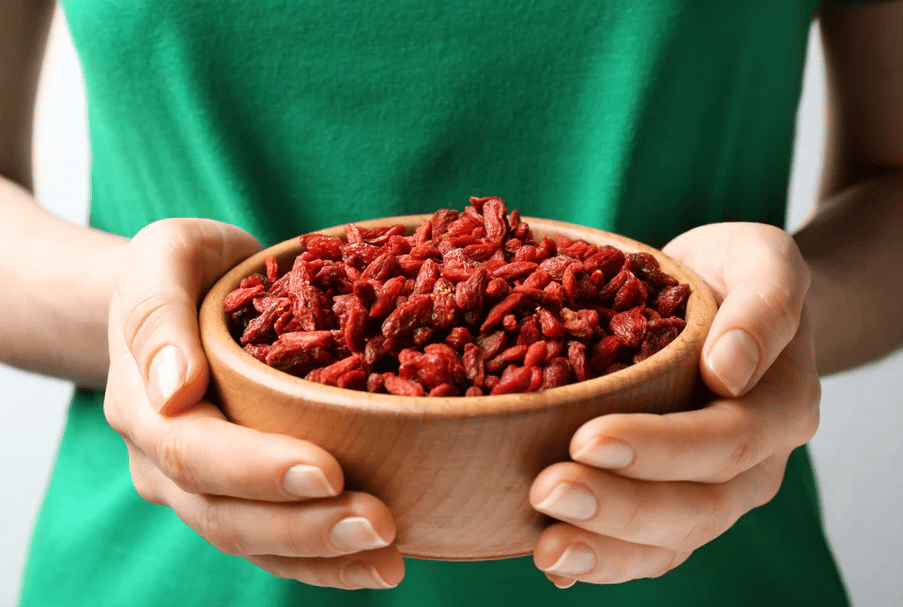
Goji berries also known as wolfberries are small red fruits celebrated in traditional Chinese medicine for their healing properties. Today, modern research supports many of their traditional uses, highlighting their antioxidant-rich profile and potential benefits for the eyes, heart, liver, and more.
1. Supports Eye Health
Goji berries are rich in zeaxanthin, a pigment that protects the retina and may help prevent age-related vision loss. They're considered one of the best natural sources of this compound.
Research shows that goji berries may:
Increase zeaxanthin levels: Just 28 days of goji berry consumption can more than double blood zeaxanthin levels.
Improve macular pigment: Older adults with early macular degeneration who ate goji berries showed increased eye pigment density linked to slower vision loss.
Outperform supplements: One small study found goji berries offered better eye protection than standard lutein or zeaxanthin supplements.
Protect the retina: In a year-long study, people with retinitis who consumed goji berries saw improved retinal health and visual preservation.
2. Helps Manage Diabetes
Goji berries may help stabilize blood sugar levels in people with type 2 diabetes.
In a three-month clinical trial, participants who consumed goji berries daily experienced:
Lower blood sugar levels
Increased HDL cholesterol ("good" cholesterol)
Stronger effects in those not taking diabetes medications
Always consult your doctor before adding goji berries if you're taking blood sugar-lowering drugs.
3. Promotes Heart Health
Goji berries may contribute to lowering triglycerides and raising HDL cholesterol, both of which reduce heart disease risk.
In one study of adults over 50:
Participants who ate 15g of goji berries daily for six weeks saw higher HDL levels
Combined with a healthy diet, goji berries may improve long-term cardiovascular markers
4. Supports Liver Function
Goji berries may improve liver enzyme levels and overall liver health.
A 12-week study showed that participants with elevated liver enzymes who consumed goji berries experienced:
Reduced ALT and GGT levels, markers of liver inflammation
Improved liver function, especially in those with mild liver concerns
Nutrition Facts: Dried Goji Berries (5 Tbsp / 28g)
Calories: 98
Protein: 4g
Carbohydrates: 22g
Fiber: 3.6g
Vitamin A: 7500 IU
Vitamin C: 13.6mg
Calcium: 53mg
Iron: 1.9mg
Sodium: 83mg
They also contain riboflavin, thiamine, niacin, copper, manganese, magnesium, and selenium.
Fresh vs. Supplements
Goji berries are available as:
Whole dried berries
Juices and teas
Powders or capsules
Whole berries are preferred for their full nutrient and fiber content. Supplements may be helpful for convenience but are not as well-studied.
Are Goji Berries Safe?
Goji berries are generally safe, but some people should use caution:
Allergies: If you're allergic to tomatoes, peaches, or tobacco, use goji with care.
Medication interactions: Goji berries may interfere with blood thinners like warfarin and diabetes medications.
Pregnancy: Due to a risk of uterine contractions, goji berries are not recommended during pregnancy.
Rare toxicity: One case report linked high intake of goji tea (3x/day) to liver inflammation, but this is uncommon.
Final Thoughts
Goji berries are more than a trendy superfood they may help protect your vision, heart, blood sugar, and liver. Enjoy them as a snack, sprinkle them over oatmeal or yogurt, or add them to smoothies for a nutrient-rich boost.
Want more food-as-medicine tips? Sign up for our free wellness newsletter and get science-backed nutrition insights every week.