- Thriving Guide
- Posts
- The Health Benefits of Eating Water Chestnuts Often
The Health Benefits of Eating Water Chestnuts Often
Crisp, refreshing, and nutrient-rich water chestnuts offer more than just texture in your stir-fry.

Audrey Sawyer
December 09, 2025
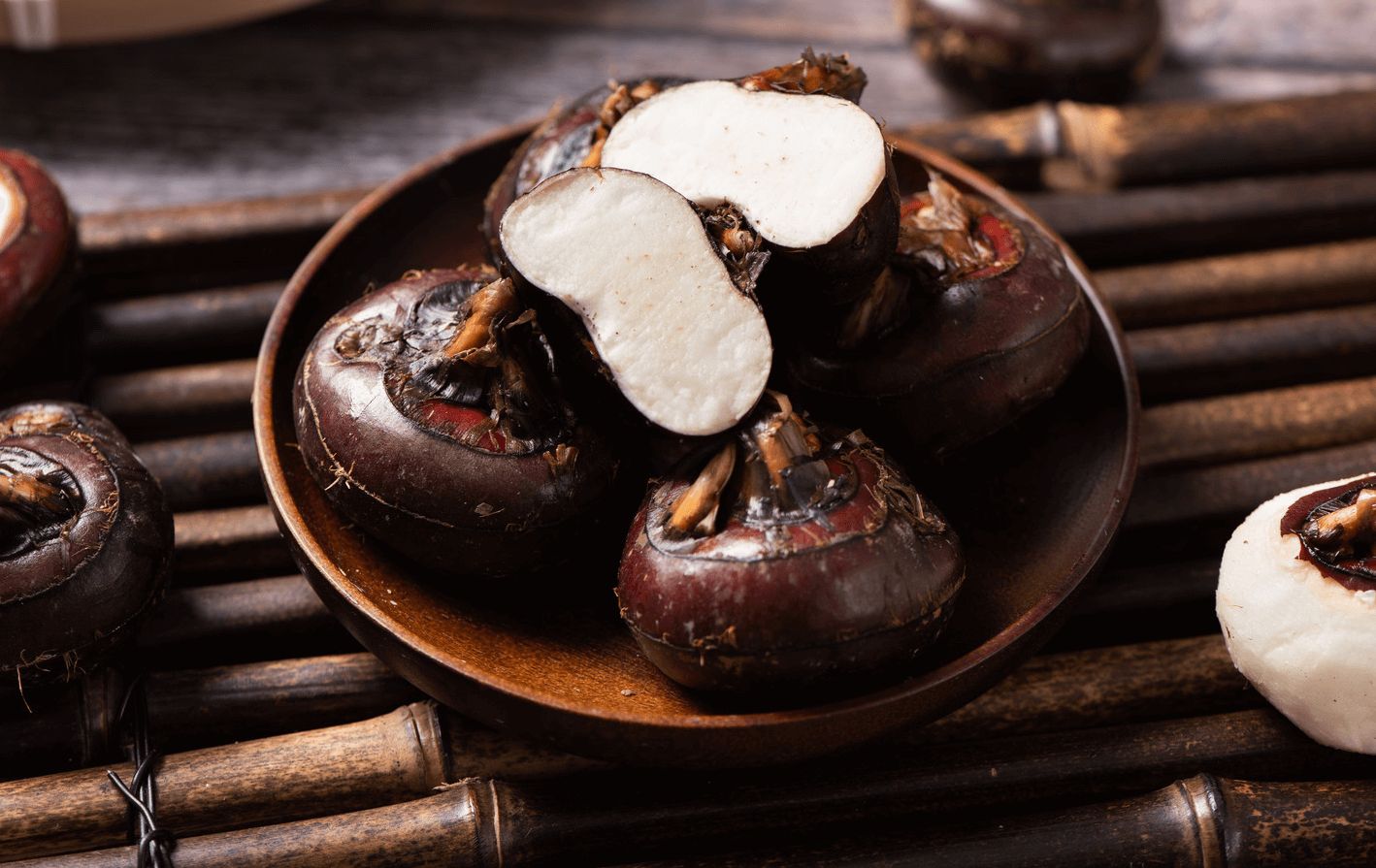
Water chestnuts are one of those ingredients that often fly under the radar. With their crisp texture and mild flavor, they’re a staple in many Asian dishes but they also happen to be packed with nutrients and unique plant compounds that may benefit your health in surprising ways.
Despite the name, water chestnuts aren’t nuts at all. They’re actually the edible bulbs (or corms) of a marshy aquatic plant known as Eleocharis dulcis. These crunchy tubers are low in fat and high in fiber, antioxidants, and potassium, making them a smart addition to your regular rotation.
Here’s what may happen to your body when you eat water chestnuts regularly.
1. Your Digestive Health Improves
Water chestnuts contain about 3 grams of fiber per 100g serving that’s roughly 10% of the daily recommended fiber intake.
Fiber supports healthy bowel movements by adding bulk to stool
Promotes the growth of beneficial gut bacteria
May help reduce the risk of constipation, bloating, and digestive discomfort
A diet rich in fiber is also associated with lower inflammation levels in the gut and improved nutrient absorption.
2. Your Heart Gets a Natural Boost
Thanks to their high potassium content (585 mg per 100g), water chestnuts may help regulate blood pressure by counteracting the effects of sodium.
Potassium helps relax blood vessel walls and supports healthy heart rhythms
Combined with fiber, it may reduce LDL cholesterol and improve overall cardiovascular function
A large meta-analysis found that increasing potassium intake was linked to a significant reduction in stroke risk
If you’re following a heart-healthy eating plan, water chestnuts offer a crunchy, low-sodium way to add volume and minerals to meals.
3. You May Lower Your Risk of Infections and Cancer
Water chestnuts contain a variety of polyphenols, which are plant-based antioxidants that protect your cells from oxidative damage.
These antioxidants have been shown to reduce inflammation
May help lower the risk of chronic diseases, including certain cancers
The peel of the water chestnut contains compounds that have nitrite-scavenging effects, which may support detoxification and reduce the formation of harmful nitrosamines
Some early research suggests these antioxidant properties may also have antimicrobial effects, helping the body fight off infections.
4. Your Immune System Gets a Vitamin C Boost
Water chestnuts provide about 4 mg of vitamin C per 100g serving, similar to the amount found in apples or pears.
Vitamin C is essential for immune system function
Supports collagen production, which helps maintain healthy skin and tissues
Acts as an antioxidant to support cellular health and reduce inflammation
Although not a megadose, the vitamin C in water chestnuts adds to your daily intake in a gentle, food-based form.
5. You Enjoy a Low-Calorie, High-Satiety Snack
At only 97 calories per 100g, water chestnuts are naturally low in fat and sugar but rich in water and fiber.
This makes them an excellent choice for weight-conscious eaters
Their unique crunchy texture adds satisfaction and bulk to meals without piling on extra calories
They can help curb hunger when added to salads, stir-fries, or even eaten raw as a snack
Water Chestnut Nutrition (per 100g serving):
Calories: 97
Protein: 1.4g
Fat: 0g
Carbohydrates: 24g
Fiber: 3g
Sugar: 5g
Potassium: 585mg (20% DV)
Magnesium: 22mg (7% DV)
Calcium: 11mg (10% DV)
Vitamin C: 4mg (3% DV)
Sodium: 15mg (1.5% DV)
How to Choose and Eat Water Chestnuts
Whether you buy them fresh or canned, these tips can help you enjoy water chestnuts at their best:
Choose firm, evenly colored bulbs if buying fresh
Peel the outer skin before eating or cooking
Enjoy raw for a crisp, crunchy texture
Steam, stir-fry, or lightly sauté to soften slightly while keeping the crunch
Add to salads, grain bowls, soups, or wraps for texture and subtle flavor
Are There Any Side Effects?
For most people, water chestnuts are completely safe and well-tolerated. However:
Some individuals may experience digestive discomfort or bloating, especially if eating them in large quantities
Water chestnuts contain antinutrients, which may reduce the absorption of certain minerals. This is more likely to affect those eating large amounts of legumes or raw tubers daily
If you are consuming water chestnut extract (which may include the peel), consult your healthcare provider, especially if you're on medications, as antioxidant activity may affect drug absorption
Also, as with any food, those with allergies should avoid water chestnuts and seek immediate medical attention if experiencing symptoms like itching, swelling, or difficulty breathing.
Bottom Line
Water chestnuts are more than just a crunchy addition to your stir-fry. They’re a low-calorie, nutrient-dense food that supports digestion, heart health, immune function, and more. Their mild flavor and satisfying texture make them incredibly versatile and worth including regularly in a healthy, balanced diet.
If you enjoyed this article, share it or subscribe to our newsletter for more wellness insights.