- Thriving Guide
- Posts
- The Brain Health Benefits of High-Fat Cheese
The Brain Health Benefits of High-Fat Cheese
A new study links full-fat cheese and cream to a reduced risk of dementia but experts say don’t stock your fridge just yet.

Audrey Sawyer
January 27, 2026
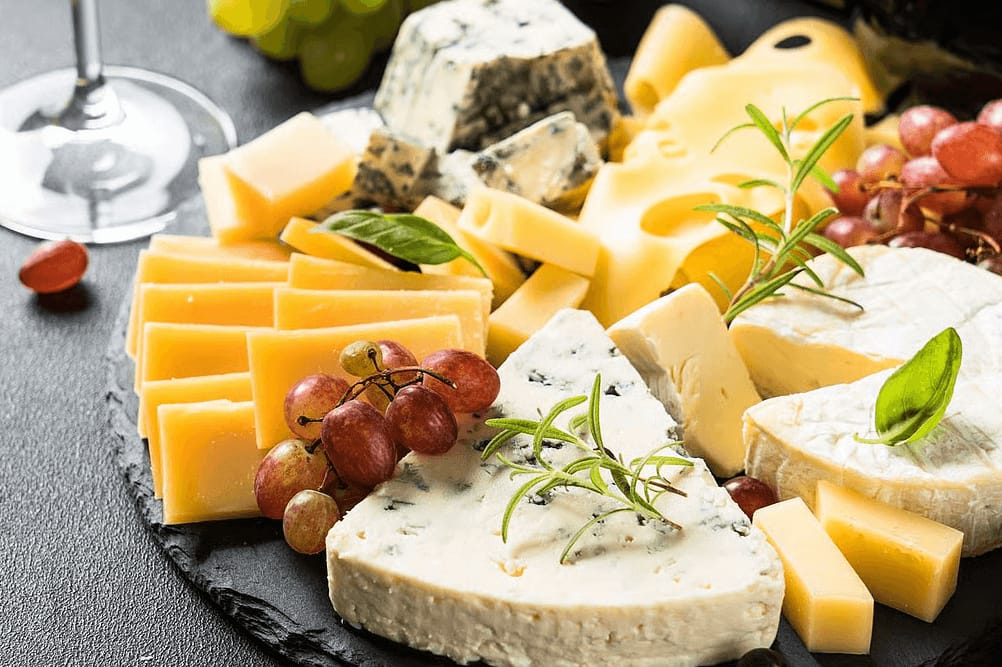
For years, health advice around dairy has focused on low-fat and fat-free options. But with recent shifts in dietary guidelines and a growing interest in whole-food nutrition, full-fat dairy especially cheese is back in the spotlight. Now, a new study is adding fuel to the conversation by suggesting that high-fat cheese and cream may actually be linked to a reduced risk of dementia.
So, should you start eating more Brie and cheddar for the sake of your brain? Not quite yet. Here's what the science actually says.
Study Finds Link Between Full-Fat Cheese and Brain Health
In a long-term study published in the journal Neurology, researchers in Sweden analyzed data from over 27,000 adults followed for about 25 years. Participants who regularly consumed at least 50 grams (about two slices) of high-fat cheese per day had a 13% lower risk of developing dementia compared to those who consumed less. They also showed a 29% lower risk of vascular dementia, a form of cognitive decline tied to blood vessel damage in the brain.
The benefits extended to high-fat cream as well. People who consumed around 20 grams (just over one tablespoon) of cream daily had a 16% lower dementia risk than those who didn’t eat any.
High-fat cheeses in the study included varieties with more than 20% fat think cheddar, Gouda, and Brie.
What Makes High-Fat Cheese Potentially Protective?
Researchers speculate that certain nutrients in high-fat cheese like vitamin K2, which supports blood vessel health could play a role in protecting the brain. Vascular health is a known factor in dementia prevention, making this a plausible connection.
However, the study didn’t directly test how or why cheese might benefit the brain. “The findings remain speculative rather than confirmed,” said Michelle King Rimer, MPH, MS, RDN, a clinical assistant professor at the University of Wisconsin-Milwaukee.
Not All Dairy Was Linked to Brain Benefits
Interestingly, the study found no connection between brain health and other dairy products, including:
Low-fat cheese or cream
Butter
Milk (regardless of fat content)
Fermented dairy like yogurt, kefir, or buttermilk
This suggests that not all dairy is created equal when it comes to cognitive health, though researchers caution that more investigation is needed to understand the differences.
Limitations to Keep in Mind
As promising as the results may seem, the study had several notable limitations:
Population specificity: The study focused solely on Swedish adults, whose dietary patterns may differ significantly from other countries. For instance, Swedes often eat cheese cold, while Americans frequently consume it melted or processed.
Diet measured only once: Dietary habits were recorded during the first week of the study in 1991, with a single follow-up questionnaire five years later. This limited window doesn't reflect long-term dietary changes.
Unmeasured lifestyle factors: The findings could reflect other healthy behaviors like regular physical activity or a balanced diet not captured in the study’s analysis.
Should You Add More Cheese to Your Diet?
While it's tempting to celebrate cheese as a brain-boosting food, experts advise caution. "High-fat dairy contains saturated fat, and decades of research support recommendations to limit saturated fat due to its impact on LDL cholesterol and heart disease," said Rimer.
Instead of focusing on one food group, evidence continues to support comprehensive dietary patterns like the MIND diet, which emphasizes:
Leafy greens
Berries
Nuts
Whole grains
Fish
Olive oil
The MIND diet short for Mediterranean-DASH Intervention for Neurodegenerative Delay has been associated with slower cognitive decline and reduced Alzheimer’s risk in numerous studies.
Bottom Line
Cheese may not be the enemy it was once thought to be especially certain full-fat varieties eaten in moderation. But relying on one food to protect brain health is far less effective than adopting a balanced lifestyle that supports cardiovascular and cognitive function.
Share this article or subscribe to our newsletter for more insights on brain health and nutrition.