- Thriving Guide
- Posts
- Understanding Hip Dips and How to Address Them
Understanding Hip Dips and How to Address Them
A hearty, vegetarian twist on a classic comfort dish perfect for weeknight dinners or easy entertaining.

Audrey Sawyer
December 04, 2025
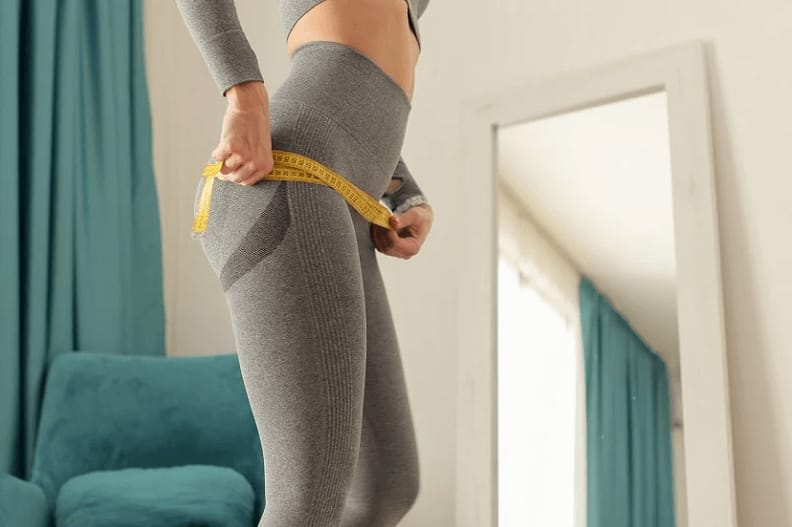
If you’ve noticed slight indentations between your hips and thighs, you’re not alone they’re called hip dips, and they’re completely normal. Sometimes referred to as "violin hips," these dips are shaped by your natural bone structure, muscle tone, and fat distribution.
While social media may offer a million "fixes," the truth is that hip dips are not a flaw they’re just another part of your body’s anatomy. But if you’re looking to understand them better or tone the area for a more balanced silhouette, here’s what to know.
What Causes Hip Dips?
Hip dips occur where your hip bone (the trochanter) connects to your thigh bone, creating a natural inward curve. Unlike love handles, which are caused by excess fat, hip dips are often present regardless of weight, size, or body shape.
Factors that influence how prominent your hip dips appear include:
Bone structure: The width and position of your pelvis play the biggest role.
Muscle tone and fat distribution: Where your body stores fat and how your muscles are built can emphasize or soften hip dips.
Genetics: If your family members have them, chances are you will too.
Age: With age, changes in skin elasticity and fat loss may make dips more visible.
Athletic activity: Training certain muscle groups can sometimes make the indentation stand out more.
Hip dips can appear on all body types from lean to curvy and many people, regardless of gender, have them.
Are Hip Dips More Noticeable in Men or Women?
While the conversation about hip dips tends to center around women, a 2023 study of over 2,000 people found that a defined trochanteric depression was considered an attractive feature in male body shapes when viewed from behind. Perception differs by gender, but hip dips are common in both men and women.
Can You Get Rid of Hip Dips?
There’s no safe, natural way to eliminate hip dips completely, because you can’t change your skeletal structure. However, you can reduce their appearance by building muscle around the hips and glutes, or with cosmetic procedures like dermal fillers or liposculpture.
Options for Smoothing Hip Dips
Exercise: Helps tone and strengthen the muscles around your hips for a more filled-out look.
Dermal fillers: Injections like Sculptra or hyaluronic acid can be used to fill in the dips temporarily.
Fat transfer surgery: Also called liposculpting, this involves removing fat from another part of your body and injecting it into the hip dip area.
Hip implants: A more invasive surgical option that reshapes the hip contour.
If you’re considering medical procedures, talk to a licensed professional to discuss safety and results.
Why Exercise Helps But Doesn’t “Fix” Hip Dips
Many people ask if certain workouts can eliminate hip dips. The answer not exactly. You can’t spot-reduce fat in specific areas, but you can build up muscle around your hips, glutes, and thighs to soften the dip and enhance your shape.
Experts recommend:
A high-protein, fiber-rich diet to support muscle building
Moderate to intense cardio most days of the week
Strength training, especially targeting the glutes, hips, and thighs
Limiting processed foods and refined sugars
Exercises That Target the Hip Area
The goal isn’t to erase hip dips it’s to strengthen and tone the surrounding muscles for a more sculpted appearance. Here are some of the most effective moves:
1. Side-Lying Hip Abductions
Targets: Gluteus medius (outer hip)
How to: Lie on your side with a resistance band around your legs. Lift the top leg without letting your torso roll back. Do 2–3 sets of 10 reps.
2. Single-Leg Bridges
Targets: Gluteus minimus and hamstrings
How to: Lying on your back, lift one leg in the air and push up through the other. Raise your hips, hold, and lower slowly. Do 10 reps for 2–3 sets.
3. Deadlifts
Targets: Gluteus maximus and core
How to: Stand with a kettlebell. Hinge at the waist, lift the weight, squeeze your glutes, and return slowly. Aim for 2–3 sets of 10 reps.
4. Side Planks
Targets: Core and glutes
How to: Lie on your side, lift your body using your forearm, and hold for 10 seconds. Repeat 10 times on each side.
5. Fire Hydrants
Targets: Hip abductors and glutes
How to: On all fours, lift one knee out to the side in a circular motion. Do 10–15 reps on each side.
6. Curtsy Lunges
Targets: Glutes and inner thighs
How to: Step one leg diagonally behind you and lunge. Repeat on both sides for a full set.
Consistency is key. Over time, these exercises may help improve the symmetry and tone of your hips and thighs.
Redefining Beauty Standards
It’s important to remember that hip dips are not a defect. They're a sign of your unique anatomy, and in many cultures and body types, they’re celebrated. The goal of fitness should always be strength, confidence, and well-being not chasing unattainable ideals.
If your focus is on health and balance, any aesthetic changes that follow are simply a bonus.
If this inspired you, share it or subscribe to our newsletter for more fitness and wellness insights.