- Thriving Guide
- Posts
- Senior-Friendly Hip Exercises to Improve Strength and Stability
Senior-Friendly Hip Exercises to Improve Strength and Stability
Improve balance, relieve pain, and reduce fall risk with these simple, joint-friendly moves.

Audrey Sawyer
December 01, 2025
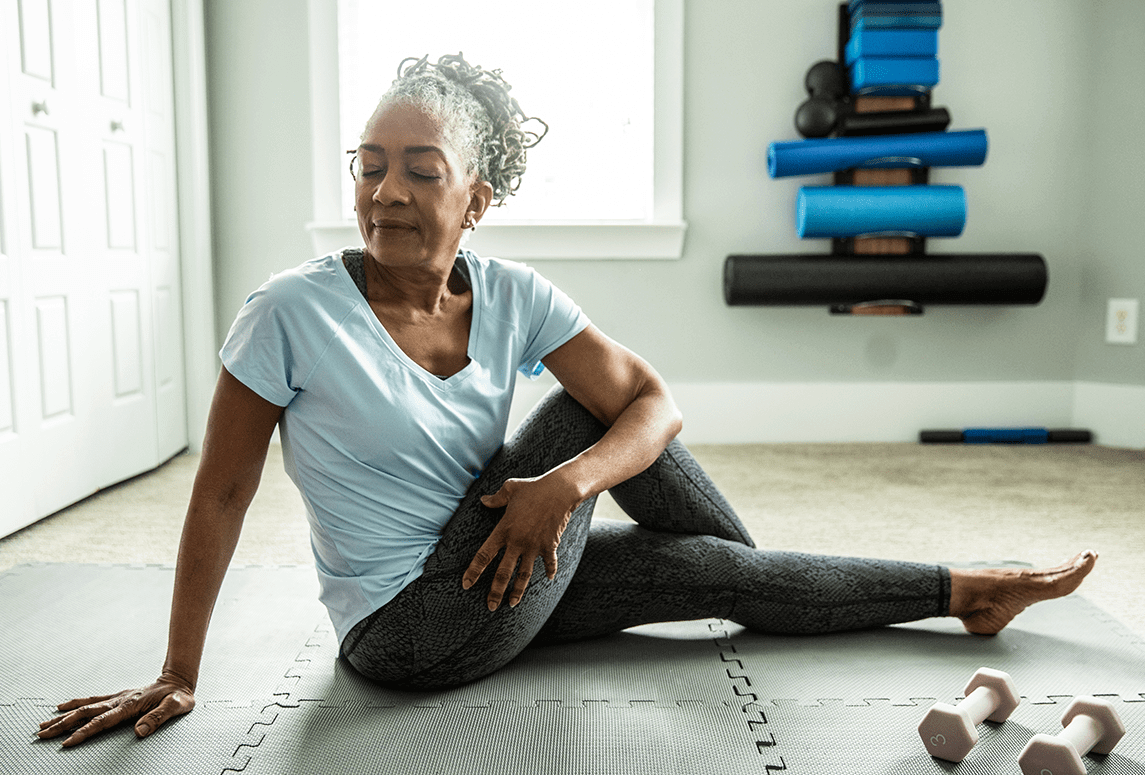
As we age, keeping our hips strong isn’t just about staying fit it’s essential for maintaining independence, preventing falls, and supporting day-to-day mobility. Hip muscles play a vital role in stabilizing the spine and legs, and when they weaken, everyday activities like walking, climbing stairs, or even standing from a chair can become difficult or painful. Fortunately, there are simple, low-impact exercises that can make a significant difference in hip strength and stability no gym required.
In fact, research shows that over one in four adults aged 65 and older fall each year, often due to muscle weakness or balance issues. Incorporating targeted hip exercises into your weekly routine can improve not only strength but also confidence in movement.
Here are six senior-friendly hip strengthening exercises that can help you stay strong, steady, and mobile.
Why Hip Strength Matters More Than You Think
The hip is a powerful, multidirectional joint that allows your leg to move forward, backward, side-to-side, and rotate. It's supported by a complex network of muscles including the glutes, quadriceps, hamstrings, and hip flexors. When these muscles are strong, they support smoother, more stable movement and protect against common injuries like hip fractures or lower back strain.
Weak hips can lead to:
Reduced walking speed and shorter stride length
Increased risk of tripping and falling
Difficulty performing basic tasks like getting out of a chair or a car
Keeping your hips strong supports a stable foundation for movement and helps relieve pain from arthritis or other joint conditions.
1. Seated Marching
Targets: Hip flexors, lower abdominals
This beginner-friendly move strengthens the muscles responsible for lifting your legs essential for walking and climbing stairs.
How to do it:
Sit upright in a sturdy chair with your feet flat on the floor.
Lift one knee toward your chest as high as comfortable, hold for 1 second, then lower.
Repeat with the other leg.
Do 10 reps per leg, alternating sides. Complete 3 sets.
2. Bridges
Targets: Glutes, hamstrings, core
Bridges build strength in the back of your hips and legs, helping with walking, standing, and stair climbing.
How to do it:
Lie on your back with knees bent and feet flat.
Squeeze your glutes and lift your hips, keeping your back flat.
Hold for 3 seconds at the top, then lower.
Perform 10 reps for 3 sets.
3. Clamshells
Targets: Gluteus medius, hip stabilizers
This exercise is great for pelvic stability and balance. It can be done lying on your back or side.
How to do it (basic):
Lie on your back, knees bent, feet flat, with a resistance band around your thighs.
Push your knees outward, hold for 3 seconds, then release.
Perform 10 reps for 3 sets.
For more challenge:
Lie on your side with knees bent and stacked.
Keep feet together and lift your top knee, keeping hips still.
Do 10 reps per side, 3 sets total.
4. Standing Hip Extension
Targets: Glutes, core
This movement mimics walking and helps strengthen your stride.
How to do it:
Stand near a chair or counter for support.
Keep your leg straight and kick it back slightly without arching your back.
Hold for 1 second, then return.
Alternate legs, 10 reps per side. Complete 3 sets.
5. Standing Hip Abduction
Targets: Gluteus medius
This side-leg lift helps with getting in and out of cars, stepping to the side, and improving balance.
How to do it:
Stand tall with support from a wall or sturdy chair.
Lift one leg straight out to the side without leaning.
Hold for 1 second, then lower.
Alternate legs, 10 reps per side. Complete 3 sets.
6. Sit to Stand
Targets: Glutes, thighs, core
This modified squat strengthens the muscles used in everyday movements like using the restroom or getting out of bed.
How to do it:
Sit on a firm chair with feet flat.
Lean forward slightly and push up using your legs (not your hands).
Once standing, squeeze your glutes, then slowly sit back down.
Do 10 reps for 3 sets.
Make It Harder:
Tap the chair lightly with your hips without fully sitting before standing back up.
Tips for Exercising Safely
Start slow and choose seated or lying exercises if standing feels difficult.
Use a chair or countertop for balance support.
Keep hips level and avoid twisting or arching your back.
If you feel pain during any move, stop and try a different one.
According to the CDC, strength and balance training can reduce fall risk by up to 30%. With consistency and proper form, these simple exercises can support not only stronger hips but a safer, more independent lifestyle.
When to Seek Medical Advice
Always consult a healthcare provider if you experience:
Sudden or severe hip pain
Difficulty bearing weight
Limited mobility in your leg or hip
Swelling, redness, or signs of infection
Recent injury or trauma to the hip area
A physical therapist can also help tailor a hip strengthening plan to your unique needs.
If you found this article helpful, share it with a friend or subscribe to our newsletter for more wellness insights.