- Thriving Guide
- Posts
- The Typical Duration of an Anxiety Attack
The Typical Duration of an Anxiety Attack
From short bursts of panic to lingering anxiety episodes, here's what you need to know about their duration and how to manage them.

Audrey Sawyer
December 11, 2025
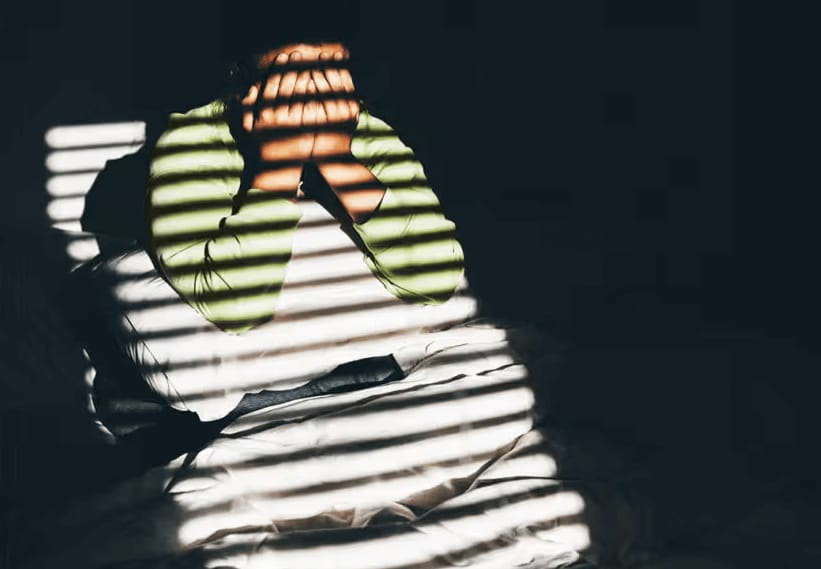
If you've ever found yourself suddenly overwhelmed by fear, a racing heart, and shortness of breath, you may have experienced an anxiety attack. These episodes can be distressing, confusing, and sometimes physically exhausting. But how long do they actually last and when should you be concerned?
The answer isn’t always simple. The term “anxiety attack” is often used loosely and can describe a range of experiences, from brief panic attacks to days of persistent anxiety symptoms.
Let’s break down the differences, what to expect in terms of duration, and how to navigate these episodes with more control.
Anxiety Attack vs. Panic Attack
First, it’s important to understand that “anxiety attack” isn’t a clinical diagnosis. Unlike panic attacks, which are clearly defined in the Diagnostic and Statistical Manual of Mental Disorders (DSM-5) as sudden, intense episodes of fear or panic that peak within minutes, anxiety attacks are more ambiguous.
When people say “anxiety attack,” they may be referring to:
A panic attack that lasts 5–20 minutes
A prolonged episode of heightened anxiety that can last hours or even days
So while panic attacks tend to be short and intense, anxiety attacks may be longer and more moderate though they can still significantly impact daily life.
Typical Duration of Anxiety and Panic Attacks
Panic attacks: These generally peak within 10 minutes and resolve in under 30 minutes, though the aftereffects (like fatigue or emotional exhaustion) may linger longer.
Anxiety attacks: These may last several hours to a few days, depending on individual triggers, stress levels, and coping mechanisms.
Note: If you’re experiencing panic-like symptoms for several days, it’s more likely you're dealing with generalized anxiety or another form of chronic anxiety, not a single prolonged panic attack.
What Influences How Long Anxiety Lasts?
Several factors can influence the duration and intensity of anxiety episodes:
Your baseline anxiety level
Stressful life events (grief, trauma, breakups, etc.)
Past exposure to anxiety triggers
Your personality traits (e.g., introversion or high sensitivity)
Coexisting conditions, such as panic disorder or generalized anxiety disorder (GAD)
Stress-related triggers such as work pressure, financial issues, or relationship strain—can lead to longer episodes if left unaddressed.
Common Physical and Emotional Symptoms
During both panic and anxiety attacks, you may experience:
Chest pain or tightness
Racing heart or palpitations
Hyperventilation or shortness of breath
Dizziness or lightheadedness
Nausea
Trembling or shaking
Feeling detached or out of control
Fear of dying or “going crazy”
These symptoms can be scary but they’re rarely dangerous. The key is learning how to respond to them calmly and effectively.
Can Anxiety Go Away on Its Own?
Yes in many cases, anxiety does subside on its own, especially when the stressor has passed. For example, if your anxiety is tied to a performance or social event, your nervous system may regulate itself once the event ends.
However, if you're dealing with an anxiety disorder like GAD or panic disorder, episodes may become more frequent or harder to manage without support.
Interestingly, anxiety disorders tend to decline with age. Research shows that anxiety is less common in adults over 65, possibly due to brain changes or life experience leading to fewer stress responses.
How to Cope During an Anxiety Episode
One of the most effective ways to regain control is by practicing grounding techniques that reconnect you to the present moment and signal to your brain that you’re safe.
Try these calming strategies:
Repeat affirmations: “This will pass,” “I am safe,” or “Anxiety doesn’t last forever”
3-3-3 method: Name 3 things you see, 3 you hear, and 3 you can touch
Breathing exercises: Inhale slowly for 4 counts, hold for 4, exhale for 4
Move your body: Try light stretching, walking, or even jumping jacks
Distract your mind: Listen to music, count backwards from 100, or play a simple game
These techniques help calm the nervous system and can reduce the length of an anxiety attack.
Lifestyle Habits to Help Prevent Attacks
While occasional anxiety is normal, building habits that reduce baseline anxiety can help prevent intense episodes. Consider these evidence-based practices:
Get regular exercise, even just a daily walk
Limit caffeine and avoid alcohol or recreational drugs
Prioritize sleep and balanced nutrition
Practice mindfulness, meditation, or journaling
Set small, manageable daily goals
Make time for hobbies or creative expression
Should You Avoid Your Triggers?
Avoiding what causes anxiety might seem like a good idea but it can actually worsen symptoms over time. For example, avoiding driving, social events, or public spaces may offer short-term relief but often reinforces fear in the long term.
Gradual exposure to anxiety triggers often with support from a therapist can help retrain your brain to stay calm in previously triggering situations.
When to Seek Professional Help
If your anxiety symptoms last more than a few days, interrupt your daily life, or lead to avoidance behaviors, it’s time to speak with a healthcare provider.
Treatment options may include:
Therapy (especially cognitive behavioral therapy, or CBT)
Medication, such as SSRIs or anti-anxiety medications
A combination of both, depending on your needs and preferences
In some cases, your provider may recommend a referral to a psychiatrist or a mental health specialist for more comprehensive support.
If you found this article helpful, share it or subscribe to our newsletter for more well-being insights.