- Thriving Guide
- Posts
- How Long Blood Tests Take From Start to Finish
How Long Blood Tests Take From Start to Finish
From CBCs to pregnancy tests, here’s when to expect your blood test results and what can delay them.

Audrey Sawyer
December 30, 2025
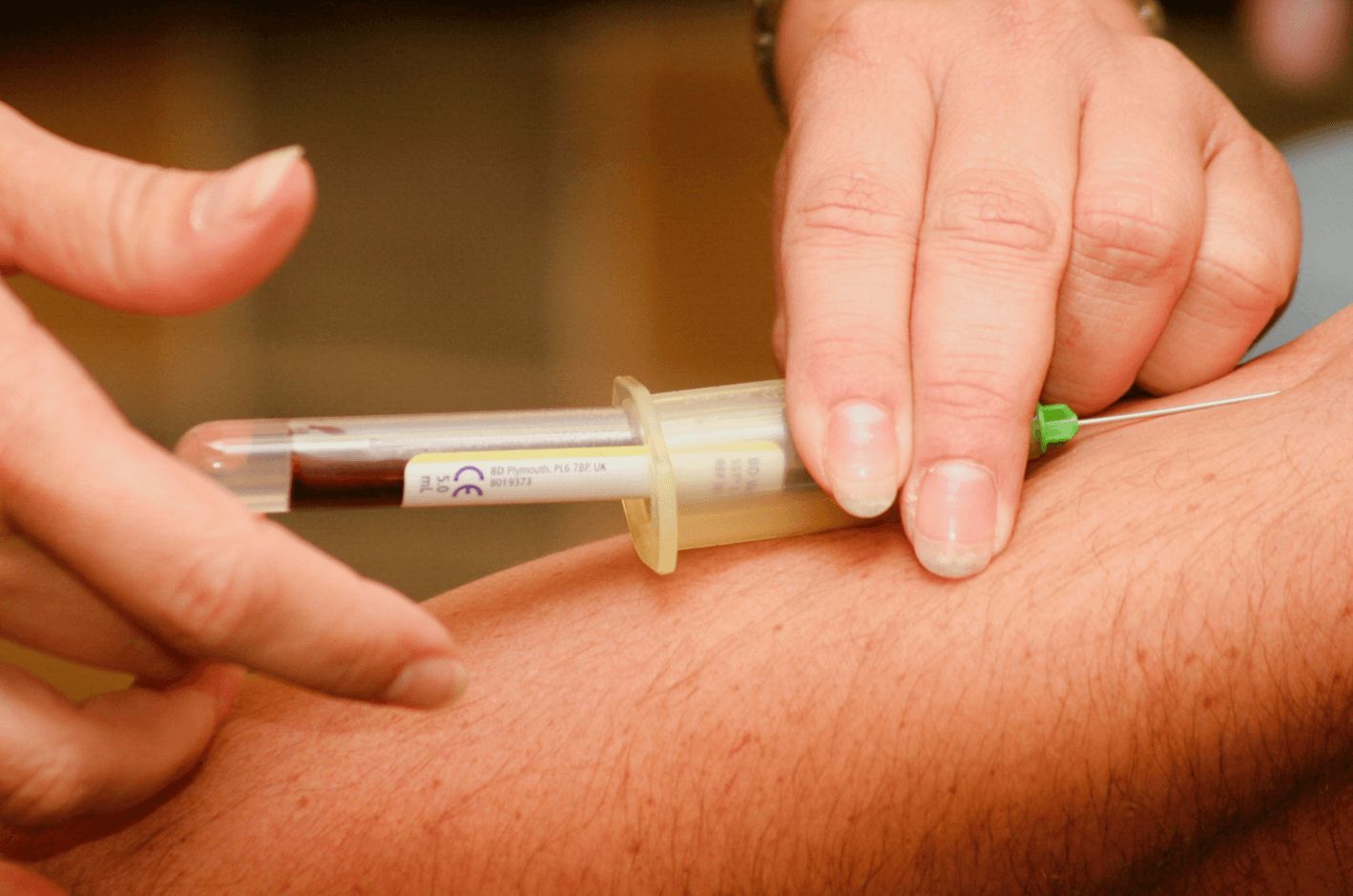
Getting a blood test is a routine part of many medical checkups, but waiting for the results can be an anxious experience. Whether you're monitoring a health condition, confirming a diagnosis, or checking your overall wellness, knowing how long blood work takes can help ease uncertainty.
While many blood draws take just a few minutes, the timing of your results depends on several factors, including the type of test, where it’s performed, and how the samples are processed.
Here’s what to expect from common blood tests and when you’re likely to get your results.
How a Blood Draw Works
A blood draw, or venipuncture, is typically performed by a trained technician known as a phlebotomist. The process usually takes just a few minutes, and involves:
Applying a tourniquet to your upper arm
Locating a suitable vein
Cleaning the skin
Inserting the needle and drawing blood into vials
Removing the needle, applying pressure, and placing a bandage
Once collected, your sample is labeled and sent to a lab for analysis.
Factors That Affect Blood Test Result Times
The turnaround time for blood work can vary based on:
The type of test performed
Whether the lab is on-site or off-site
How urgently results are needed
Whether your provider delays releasing results until a follow-up conversation
Common Blood Tests and Result Timelines
Here’s a breakdown of frequently ordered blood tests and when you can expect results:
Complete Blood Count (CBC):
Checks red and white blood cells, hemoglobin, and platelets.
Result time: Usually within 24 hours.Basic Metabolic Panel (BMP):
Assesses blood sugar, calcium, kidney function, and electrolyte balance.
Result time: Typically 1 day.Complete Metabolic Panel (CMP):
Includes BMP plus liver function tests (ALT, AST, bilirubin).
Result time: 1–3 days, depending on lab processing.Lipid Panel:
Measures cholesterol (HDL, LDL) and triglycerides to assess heart health risk.
Result time: Usually 1 day. Fasting may be required.Pregnancy Blood Test (HCG):
Can be qualitative (positive/negative) or quantitative (measuring levels).
Result time: A few hours to 1 day.Thyroid Panel:
Evaluates hormone levels (TSH, T3, T4) to assess thyroid function.
Result time: 1–3 days.Anemia Testing:
Typically done through a CBC, with additional tests if needed.
Result time: Next day.Cancer-Related Blood Tests:
Includes tumor markers or other specialized panels.
Result time: 1–7 days, depending on complexity.STI Blood Tests:
Syphilis: A few hours to a few days
HIV: 30 minutes (rapid test) to several days (lab test)
Hepatitis B: Around 3–6 days
Inpatient vs. Outpatient Testing
Inpatients (those admitted to a hospital) often receive results more quickly due to in-house labs and urgent medical needs.
Outpatients (those having tests done during a clinic visit) may wait longer, especially if samples are sent to an off-site lab.
Tips for Getting Faster Results
If you're eager for answers, try these strategies:
Ask your provider when and how results will be delivered (e.g., patient portal, phone call, or follow-up appointment).
Schedule tests early in the day to increase the likelihood of same-day processing.
Choose a facility with an on-site lab if time is a factor.
Ensure all paperwork is complete and double-check your contact information at check-in.
When to Follow Up
Most providers will notify you if a result is abnormal, but you can also check your electronic health portal or call your provider's office if it's been longer than expected.
A Final Note on Accuracy vs. Speed
While it’s natural to want fast results, remember that accuracy is the top priority. Some tests take longer because they require multiple steps or additional review by a pathologist or specialist.
If you found this helpful, share it or subscribe to our newsletter for more health insights.