- Thriving Guide
- Posts
- When Exercise Becomes a Habit: What to Expect
When Exercise Becomes a Habit: What to Expect
Forget the 21-day myth building a consistent fitness routine takes longer, but it’s more achievable than you think.

Audrey Sawyer
January 23, 2026
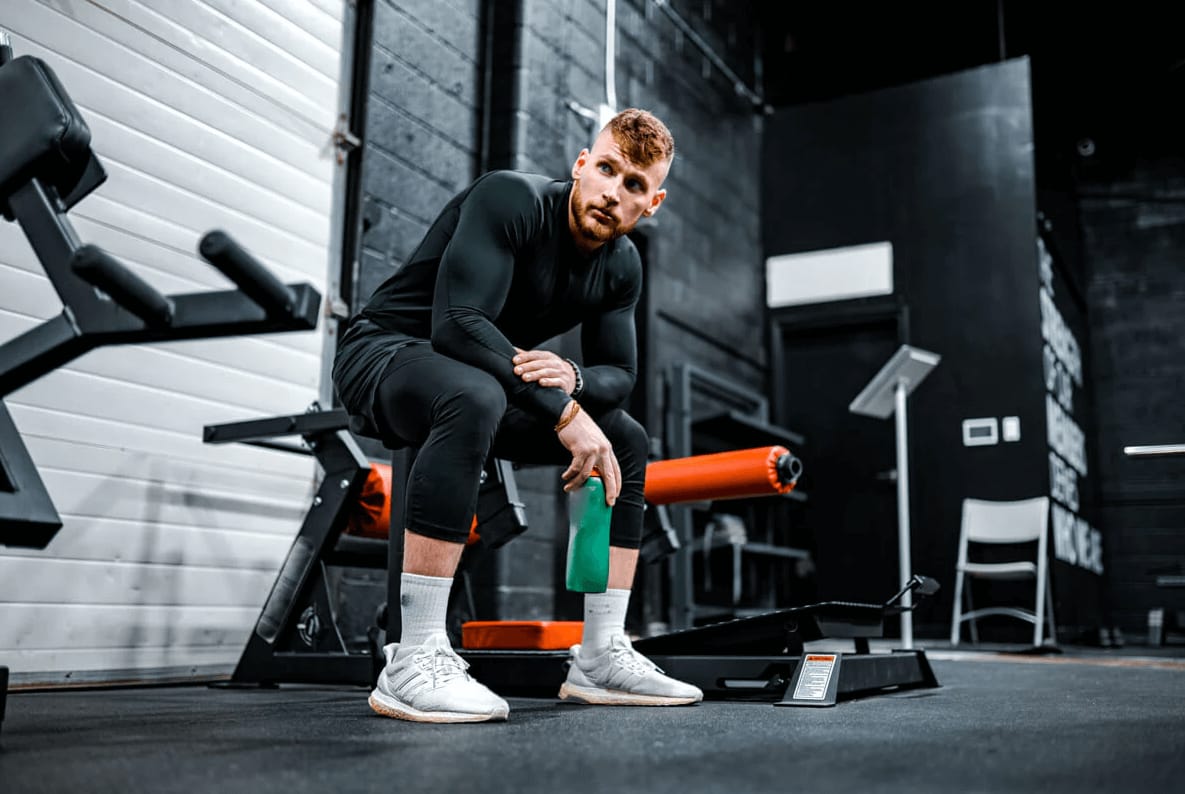
Starting an exercise routine can feel empowering at first. But sticking with it? That’s where the challenge begins. Many of us have heard the popular claim that doing something for 21 days turns it into a habit. Unfortunately, when it comes to fitness, the truth is a little more complex.
Creating a lasting exercise habit takes time, consistency, and a shift in mindset. While there’s no universal timeline, research and experts suggest that real progress begins around six weeks of regular effort and it only grows from there.
How Long Does It Really Take to Form an Exercise Habit?
There’s no magic number of days that guarantees a habit will stick. According to Matthew Sacco, PhD, a sports medicine psychologist, the ease of forming a habit depends on how complex the behavior is.
“Something simple, like washing your hands more often, can be built in about 18 days,” he explains. “But something more involved like working out can take six months or more to feel automatic.”
That said, one 2015 study found that exercising four times a week for at least six weeks is the minimum threshold for creating a reliable fitness habit. While six weeks won’t make it effortless, it’s enough time for the behavior to begin feeling familiar and more sustainable.
Why Is It So Hard to Make Exercise Stick?
There are several reasons why even well-intentioned fitness routines often fizzle out:
Delayed results: Goals like weight loss or muscle gain can take weeks or even months to show visible changes. That delay can lead to frustration and a loss of motivation.
Overtraining and burnout: Many people go all-in at the start, ignoring the importance of recovery. Without proper rest, you’re more likely to experience fatigue, injury, or mental burnout.
Too much, too soon: Setting unrealistic expectations early on can make workouts feel like a chore instead of something to look forward to.
“Recovery and rest are just as important as the workout itself,” says exercise physiologist Kelyssa Hall, CSCS. “Skipping recovery can sabotage your ability to continue altogether.”
4 Expert-Backed Tips to Make Exercise a Lasting Habit
Want to build a workout routine that actually sticks? These practical strategies can help you get there:
1. Start Small and Schedule It
You don’t need to dive into hour-long workouts from the start. Begin with 10 to 15 minutes, and gradually increase the time.
Treat it like an important meeting schedule your workouts in your calendar and make them non-negotiable.
2. Keep It Simple
Forget overly complicated plans. In the beginning, your routine should be straightforward and easy to remember.
Think: 3 basic bodyweight exercises, a 20-minute walk, or 15 minutes of stretching.
Simplicity increases adherence, especially in the first few weeks.
3. Re-Evaluate Every Two Weeks
Set short-term goals and check in every 14 days to see what’s working and what’s not.
If your original plan feels overwhelming, scale it back before pushing forward.
Once your routine starts feeling manageable, increase duration or intensity gradually.
4. Focus on the Process, Not Just the Outcome
It’s easy to get discouraged when your body doesn’t change overnight. Instead of obsessing over results, celebrate small wins:
Feeling more energized
Taking the stairs without losing breath
Sleeping better or noticing improved flexibility
Those internal victories are signs of progress, too and they often show up before visible changes do.
The Bottom Line
Forming a lasting exercise habit won’t happen in 21 days and that’s okay. If you can stick to moving your body consistently four times a week for six weeks, you're already on the right path. From there, it becomes easier to build momentum, adjust your routine, and make fitness feel like part of your lifestyle not a temporary fix.
Liked this article? Share it or subscribe to our newsletter for more actionable wellness insights.