- Thriving Guide
- Posts
- How to Safely Make a Disinfectant Bleach Solution at Home
How to Safely Make a Disinfectant Bleach Solution at Home
A simple guide to creating an effective bleach cleaner without risking your health.

Audrey Sawyer
December 22, 2025
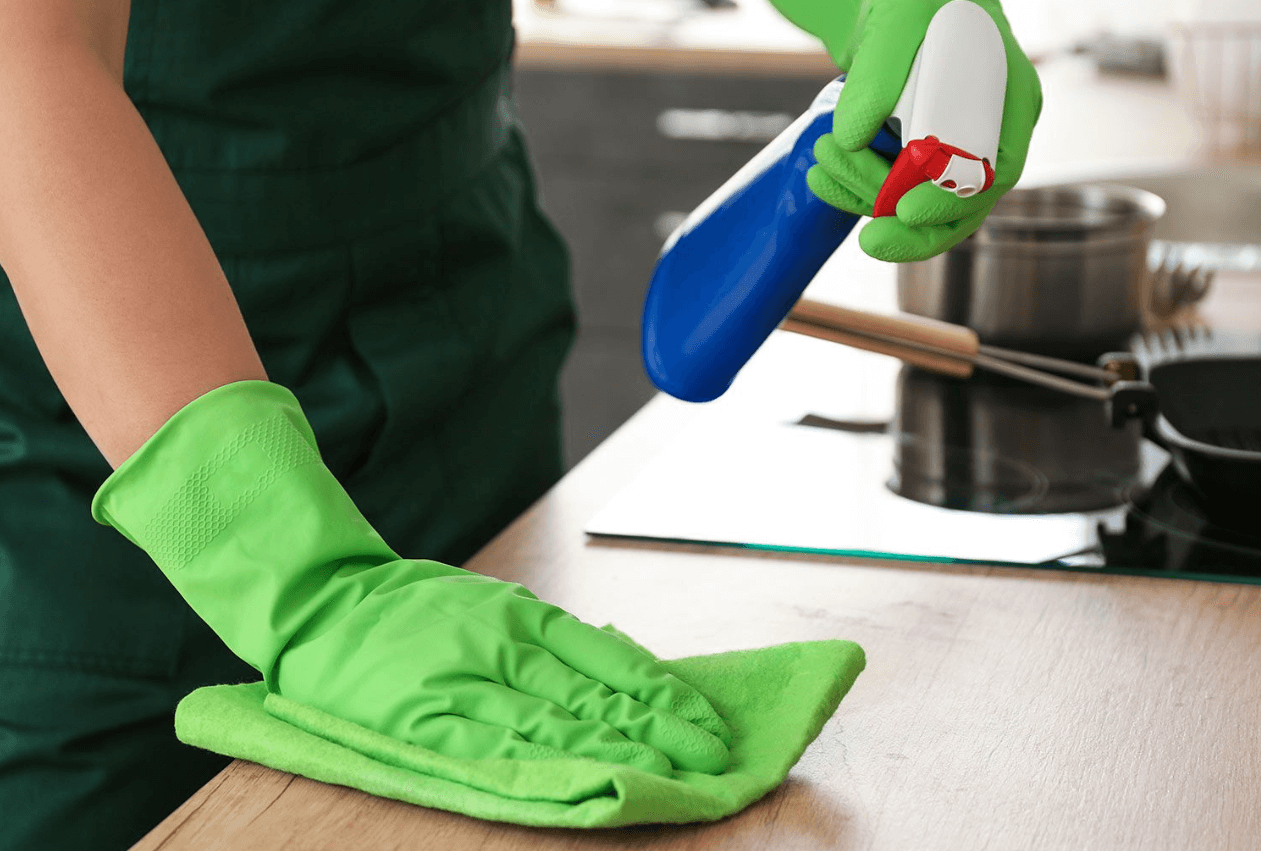
Keeping your home germ-free doesn’t have to be complicated or expensive. Household bleach when used correctly can be a highly effective way to kill harmful bacteria and viruses. But despite its cleaning power, bleach can also be hazardous if mixed incorrectly or used without care. Whether you're disinfecting after illness or deep-cleaning high-touch surfaces, it’s important to know how to safely make and use a bleach solution that protects your health and your home.
Why Bleach Is So Effective And Why It Needs to Be Diluted
Chlorine bleach (usually a 5.25–6% sodium hypochlorite solution) is a powerful disinfectant, capable of neutralizing bacteria, viruses, and fungi on contact. It’s particularly important in homes where people have chronic health conditions such as autoimmune diseases or cystic fibrosis. But bleach in its full-strength form is dangerous it can burn skin, irritate lungs, and create toxic gases if mixed with other chemicals.
That’s why dilution is critical. When properly mixed with water, bleach becomes safe enough to use on many household surfaces while still being effective against germs. The CDC recommends different ratios for different cleaning purposes, but most everyday disinfecting needs can be covered with a 1:80 ratio of bleach to water.
What You’ll Need to Get Started
Creating a bleach solution at home is simple, but safety should come first. Here’s what you’ll need:
1 quart-sized plastic spray bottle or glass jar with a secure lid
Measuring cup or tablespoon
Clean, damp cloth for any spills
Household bleach (unscented, regular strength)
Tap water
Rubber gloves
Well-ventilated area (open windows or use a fan)
Before you begin, wear older clothing and tie back long hair. Always use rubber gloves, and never mix bleach indoors without good airflow.
How to Mix a Safe Bleach Solution
To sanitize hard surfaces like countertops, sinks, or floors, use this basic formula:
1 tablespoon of bleach
5 cups of water
Or for larger batches:
1 cup of bleach
5 gallons of water
Step-by-step instructions:
Carefully pour the measured bleach into your spray bottle or jar.
Add the water after the bleach to prevent splashing.
Secure the lid tightly.
Gently shake the bottle to combine the solution.
Your disinfectant is now ready to use. Always make a fresh batch daily, as the solution loses effectiveness over time due to heat, light, and evaporation.
Warning: Never Mix Bleach With These Ingredients
Combining bleach with other household products can create toxic and sometimes deadly chemical reactions. Avoid these dangerous combinations:
Ammonia: Produces chloramine gas, which can cause coughing, chest pain, and even pneumonia.
Vinegar or other acids: Creates chlorine gas, which can lead to nausea, vomiting, and respiratory distress.
Rubbing alcohol: Forms chloroform, which can cause dizziness, fatigue, and fainting.
If you're ever unsure, play it safe and use bleach alone with water only.
Tips for Safely Using Your Bleach Solution
Clean surfaces with soap and water first to remove dirt and grime.
Apply bleach solution and allow surfaces to air dry.
Do not store leftover solution dispose of it after 24 hours.
Keep all cleaning solutions out of reach of children and pets.
Never reuse containers that held bleach for any other product.
Did You Know? According to the EPA, when used properly, bleach can kill over 99.9% of germs including viruses like influenza and some coronaviruses on hard, non-porous surfaces.
Bleach is a useful disinfectant when handled with care. By following the right steps and avoiding dangerous combinations, you can safely maintain a cleaner, healthier home environment.
Share this guide or subscribe to our newsletter for more practical wellness tips.