- Thriving Guide
- Posts
- How to Prevent Pneumonia
How to Prevent Pneumonia
Small lifestyle changes and vaccinations can go a long way in protecting your lungs from serious infection.

Audrey Sawyer
January 29, 2026
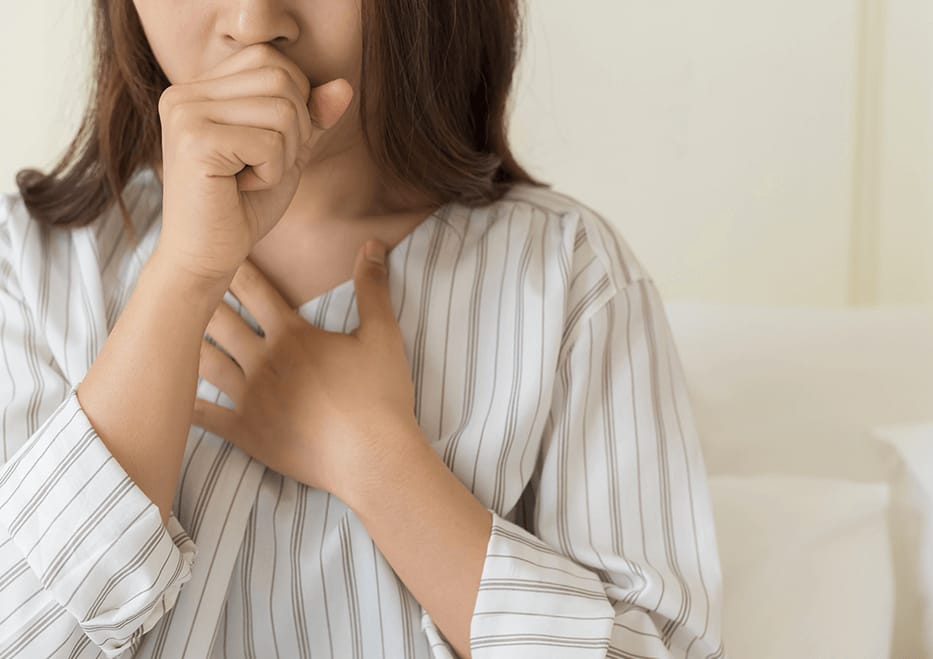
Pneumonia doesn’t always begin as a serious illness but it can become one. This common lung infection, often triggered by bacteria or viruses, inflames the airways and can fill the lungs’ air sacs with fluid, making it difficult to breathe. While many cases are mild, pneumonia can be life-threatening, especially for infants, older adults, and those with chronic health conditions.
The good news? There are clear, actionable ways to prevent pneumonia and reduce your chances of serious illness.
Recognizing Pneumonia Symptoms Early
Although symptoms can differ based on age, overall health, and the type of infection, here are common signs to watch for:
Cough (often producing phlegm)
Fever and chills
Shortness of breath
Chest pain when breathing deeply
Night sweats
Rapid heartbeat or breathing
Fatigue and muscle aches
Confusion (particularly in older adults)
Who’s Most at Risk?
While anyone can get pneumonia, certain groups are more vulnerable to developing severe forms of the illness:
Young children (under age 2) and adults over 65
People with chronic health conditions such as asthma, COPD, diabetes, or heart disease
Those who are immunocompromised (due to HIV, cancer treatments, or organ transplants)
People who smoke or abuse alcohol
Individuals exposed to toxic substances, indoor air pollution, or crowded living conditions
Hospitalization, especially with ventilator use, can also increase the risk of contracting pneumonia.
Effective Ways to Prevent Pneumonia
Preventing pneumonia largely comes down to strengthening your immune defenses and avoiding exposure to infectious agents. Here’s how:
1. Stay Up to Date on Vaccinations
Vaccines are your first line of defense. Several vaccines help protect against the viruses and bacteria that commonly cause pneumonia, including:
Pneumococcal (recommended for children and adults 65+)
Influenza (flu)
COVID-19
Hib (Haemophilus influenzae type b)
Measles
Pertussis (whooping cough)
Varicella (chickenpox)
The CDC recommends adults 65 and older receive the pneumococcal vaccine, and children under 2 should receive a four-dose series starting at 2 months old. Vaccines not only reduce your risk of getting pneumonia they also make the illness less severe if you do catch it.
2. Practice Good Hygiene
Simple hygiene habits can stop the spread of pneumonia-causing germs:
Wash hands frequently with soap and warm water (for at least 20 seconds)
Disinfect frequently touched surfaces (doorknobs, phones, counters)
Sneeze or cough into your elbow or a tissue
Avoid sharing utensils or drinks when you're sick or around someone who is
3. Avoid Exposure to Smoke and Pollutants
Smoking weakens your lungs and makes them more prone to infection. The chemicals in cigarette smoke impair your immune system, making it harder for your body to fight off bacteria and viruses.
Similarly, chronic alcohol use disrupts immune cells in your lungs that serve as a first line of defense. Avoiding alcohol abuse and quitting smoking can significantly lower your pneumonia risk.
4. Keep Your Distance During Illness Surges
When colds, the flu, or COVID-19 are spreading, it’s wise to limit exposure especially for young children and older adults. Avoid close contact with sick individuals and stay home if you’re feeling unwell to protect others.
5. Manage Chronic Conditions Proactively
People with underlying conditions such as asthma, heart disease, COPD, or diabetes are at higher risk for complications. Managing these conditions through medication, healthy lifestyle choices, and regular check-ups can help reduce vulnerability to pneumonia.
6. Support Your Immune System with Healthy Habits
Eat a balanced diet rich in fruits, vegetables, and whole grains
Exercise regularly
Get enough sleep
Reduce stress when possible
These wellness basics help your body fight off infections more effectively.
What About Recovery?
Pneumonia recovery varies. Some people bounce back in a week, while others may need several weeks or even months. Always follow your healthcare provider’s advice, take medications as prescribed, and allow your body the rest it needs to heal. Returning to work or exercise too soon can slow down your recovery or lead to complications.
When to See a Healthcare Provider
Don’t delay care if you notice:
Difficulty breathing
Chest pain
A high fever that doesn’t respond to medication
Persistent fatigue
Confusion or changes in alertness (especially in older adults)
Those with weakened immune systems or preexisting health conditions should seek care promptly if pneumonia-like symptoms appear.
Protecting Your Lungs Is Protecting Your Health
Pneumonia is preventable, and by staying informed and proactive, you can significantly reduce your risk. From vaccines to lifestyle adjustments, small steps can make a big difference especially for those most vulnerable to serious complications.
If this article helped you, subscribe to our newsletter or share it with someone you care about.