- Thriving Guide
- Posts
- Is There a Right Way to Wash Your Hair?
Is There a Right Way to Wash Your Hair?
Discover the best hair-washing techniques and products for your hair type and learn how often you really need to shampoo.

Audrey Sawyer
January 22, 2026
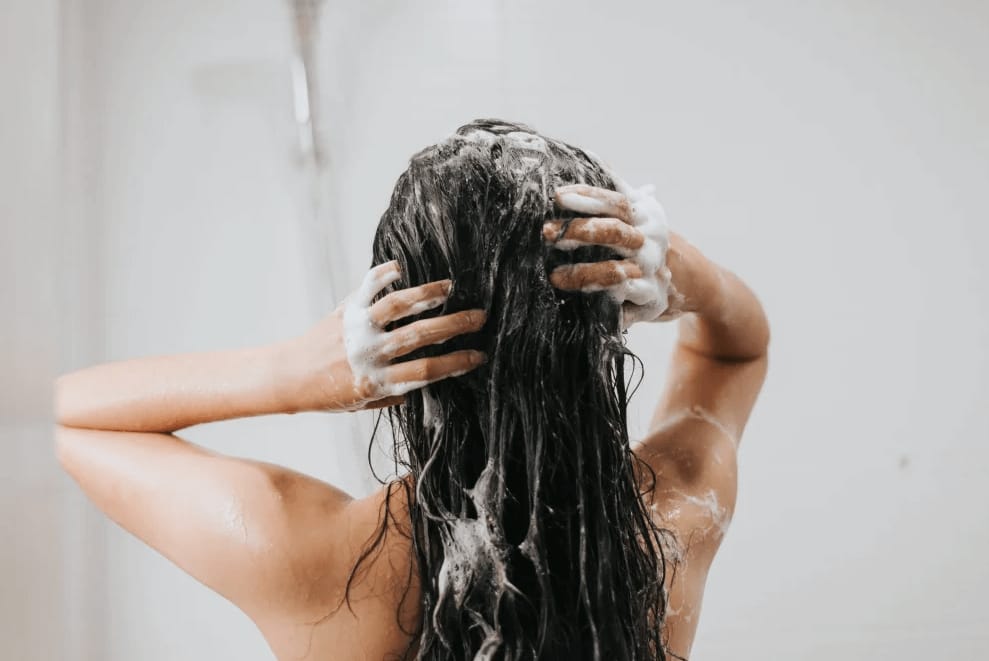
Washing your hair seems simple but doing it the right way can make all the difference in keeping your hair clean, strong, and healthy. From how often to shampoo to what products to choose, hair-washing routines should be tailored to your specific hair type, texture, and lifestyle.
Why Hair Washing Matters
Regular washing removes oil (sebum), dead skin cells, product buildup, and environmental debris from your scalp and strands. It also helps prevent odor, itchiness, and scalp infections. But overwashing or using harsh products can strip away natural oils, leading to dryness or breakage.
Pairing the right shampoo and conditioner with a personalized washing schedule can help you avoid these issues and keep your hair looking its best.
How Often Should You Wash Your Hair?
There’s no one-size-fits-all answer. The right washing frequency depends on your hair texture, oil production, styling habits, and activity level.
Here’s a general guide by hair type:
Oily or fine hair: Every day or every other day
Wavy or curly hair: Every 3–5 days
Coily or Black hair: Once a week or every other week
You may need to wash more often if:
You exercise or sweat heavily
Your scalp feels greasy
You use a lot of styling products
You notice buildup, flakes, or odor
You may benefit from less frequent washing if:
Your hair feels dry or frizzy
You’ve chemically treated or colored your hair
You notice breakage or split ends
You have a dry or sensitive scalp
Choosing the Right Shampoo and Conditioner
Hair care products are not one-size-fits-all. Choosing based on your hair’s needs like dryness, color treatment, or oiliness can improve results and prevent damage.
Shampoo Tips
Shampoo contains surfactants, which remove oil and debris. Common types include:
Clarifying: Deep-cleans buildup (use sparingly)
Volumizing: Adds body with lightweight ingredients
Moisturizing: Hydrates dry hair and reduces static
Color-safe: Gentle formulas to preserve dyed hair
Medicated: Treats scalp conditions like dandruff or psoriasis
Conditioner Tips
Conditioner smooths the hair cuticle, adds moisture, and protects against breakage.
For fine or oily hair: Use only on the ends
For dry or curly hair: Use from mid-shaft to ends
For Black hair: Condition every wash and use deep treatments biweekly
Look for hydrating ingredients like:
Argan oil
Glycerin
Cetyl and stearyl alcohols (fatty alcohols, not drying)
Co-Washing: What Is It?
Co-washing means using conditioner instead of shampoo. It’s ideal for very dry or textured hair but may lead to buildup over time.
Use cleansing conditioners or alternate with a clarifying shampoo weekly to maintain scalp health.
What About Hard Water?
Hard water (rich in minerals like calcium and magnesium) can leave hair feeling dry, dull, or brittle. If you suspect hard water is affecting your hair:
Use a clarifying shampoo weekly
Try a vinegar rinse (1 Tbsp vinegar to 3 cups water)
Rinse with filtered or bottled water
Consider installing a water softener
How to Wash Your Hair: Step-by-Step
Follow these basics for a clean, healthy wash:
Wet hair with warm (not hot) water.
Apply shampoo to your scalp (quarter-size amount).
Massage for 30 seconds to cleanse thoroughly.
Rinse completely.
Repeat shampoo if your hair is very oily or dirty.
Apply conditioner from mid-length to ends.
Comb through gently with a wide-tooth comb.
Leave on as directed (usually 1–3 minutes).
Rinse with cool or lukewarm water.
Pat hair dry with a soft towel or cotton T-shirt don’t rub!
Special Considerations
Medicated Shampoos
For conditions like dandruff or seborrheic dermatitis, shampoos may contain:
Salicylic acid
Ketoconazole
Selenium sulfide
Coal tar
Follow product instructions closely and consult a dermatologist if needed.
Hair Oils & Leave-In Products
Additional products like argan oil, tea tree oil, leave-in conditioners, and heat protectants can improve hydration, manageability, and shine especially for textured or heat-styled hair.
Final Tips
Use a wide-tooth comb on wet hair to prevent breakage.
Avoid hot water; it can dry out your scalp and strip hair’s natural oils.
Don’t overwash. Even oily hair needs its natural oils to stay healthy.
Protect color-treated hair with sulfate-free, color-safe shampoos.
Washing your hair is more than just a rinse it’s part of your scalp health and self-care. With the right techniques and products, your hair can stay clean, healthy, and beautiful between washes.
Want more expert tips for healthy hair? Subscribe to our newsletter for skincare, wellness, and beauty advice you can trust.