- Thriving Guide
- Posts
- How to Treat an Infected Belly Button Piercing
How to Treat an Infected Belly Button Piercing
From irritation to infection, here's how to safely manage belly button piercing problems and know when it's time to call your doctor.

Audrey Sawyer
January 27, 2026
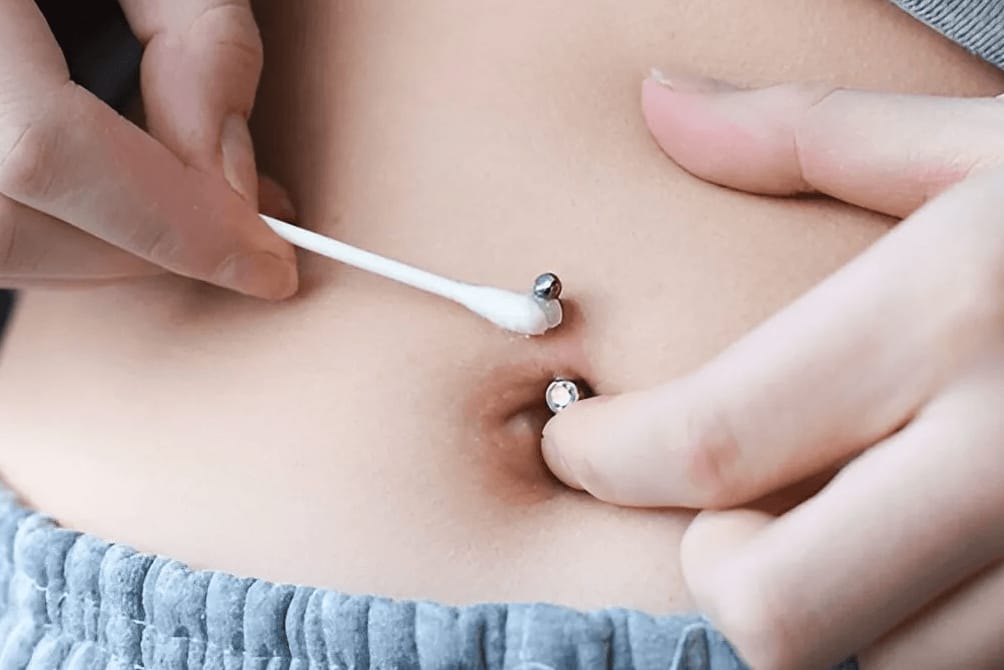
A belly button piercing may be a stylish way to express yourself, but it also comes with some unique risks. Due to its inward position and the time it takes to heal, the navel area is especially vulnerable to irritation, infection, and complications.
If you're dealing with redness, swelling, or drainage around your belly button piercing, here's how to tell whether it's infected and what to do next to support healing and avoid serious complications.
How to Recognize an Infected Belly Button Piercing
A mild reaction or irritation is common in the days after a new piercing, but signs of an actual infection include:
Redness and swelling around the piercing
Pain or tenderness at the site
Thick or yellow-green drainage (pus)
Bleeding or persistent oozing
A foul smell coming from the area
In more severe cases, the infection can enter the bloodstream and cause systemic symptoms such as:
Fever or chills
Fatigue or confusion
Rapid heart rate
Low blood pressure
If you experience these symptoms, seek medical care immediately, as they could indicate a life-threatening condition like sepsis.
What Causes Piercing Infections?
Several factors can contribute to infection, including:
Bacteria introduced during the piercing process
Poor aftercare or inconsistent cleaning
Irritation from clothing or trauma to the area
Allergic reaction to metal (especially nickel-containing jewelry)
Even a minor skin injury or preexisting condition like eczema can increase the risk of complications.
Not All Irritation Is an Infection
It's easy to confuse an allergic reaction or physical irritation with infection. Symptoms like itching, redness, or small bumps might indicate:
Metal allergy (especially to nickel)
Friction injuries from tight clothing or snagged jewelry
Contact dermatitis from harsh cleaners or products
If you have sensitive skin or known allergies, use hypoallergenic jewelry made from surgical steel, titanium, or niobium.
How to Treat a Mildly Infected Belly Button Piercing
If symptoms are limited to mild redness or irritation, you can often manage the problem at home with proper care:
1. Keep the Piercing Clean
Wash the area gently with warm water and mild, unscented soap
Avoid alcohol or hydrogen peroxide, which can delay healing
Use a saline solution soak twice daily (¼ tsp of salt dissolved in 1 cup warm water)
2. Avoid Removing the Jewelry (At First)
Unless advised by a healthcare provider, don't remove the jewelry during infection. Taking it out can trap bacteria inside and allow the hole to close over an active infection.
3. Apply a Warm Compress
Use a clean, damp washcloth to reduce swelling and encourage drainage. Hold it over the area for 5–10 minutes a few times per day.
4. Watch for Worsening Symptoms
If the infection doesn’t improve within 48–72 hours or worsens contact a healthcare provider.
When to Call a Healthcare Provider
You should seek professional care if you experience:
Fever, chills, or other signs of a systemic infection
Smelly or discolored pus
Spreading redness or streaking
Pain that worsens or doesn't improve
Bleeding that won't stop
In some cases, your provider may prescribe oral antibiotics, remove the jewelry, or refer you to a specialist for further evaluation.
What Not to Do
Don’t pop or squeeze the piercing this can force bacteria deeper
Don’t use ointments unless instructed they can block airflow and trap bacteria
Don’t rotate or move the jewelry frequently it can disrupt healing
Don’t ignore symptoms even if you want to keep the piercing, delaying treatment can make things worse
How Long Does Healing Take?
A belly button piercing can take 9 months to a full year to heal completely. During that time, it's vulnerable to infection and trauma. Follow aftercare instructions carefully and be mindful of clothing that could rub or snag the jewelry.
If you have a chronic condition that compromises your immune system such as diabetes, heart disease, or a bleeding disorder talk to your doctor before getting any body piercing. In rare cases, even a navel piercing has been linked to more serious complications like omphalitis or internal infections.
Bottom Line
An infected belly button piercing isn’t uncommon, but quick action and proper care can help prevent long-term issues. Clean gently, monitor your symptoms, and don’t hesitate to contact your healthcare provider if you notice signs of a worsening infection.
Share this article or subscribe to our newsletter for more expert guidance on skin health and wellness.