Not quite. Cleveland Clinic says 100% fruit juice carries many of the vitamins and nutrients that make fruit worth eating, but the whole fruit brings more fiber and leaves you fuller.
The big difference is what gets left behind. Cleveland Clinic explains that some of the benefits of fruit disappear during juicing, and the biggest loss is fiber, a perk of whole fruit that is good for your digestive system. The clinic adds that removing fiber changes how the natural sugars in fruit act in your body. As one of its dietitians puts it, apple juice "is much more likely to have a big effect on your blood sugar than eating a whole apple would."
Fullness matters too. According to the clinic, whole fruit gives you more of a full-belly feeling than juice, so you are less likely to go looking for a snack soon after. Chewing acts as a natural brake: most people will not eat three or four apples in a row, but it is easy to drink that much as juice and still feel hungry.
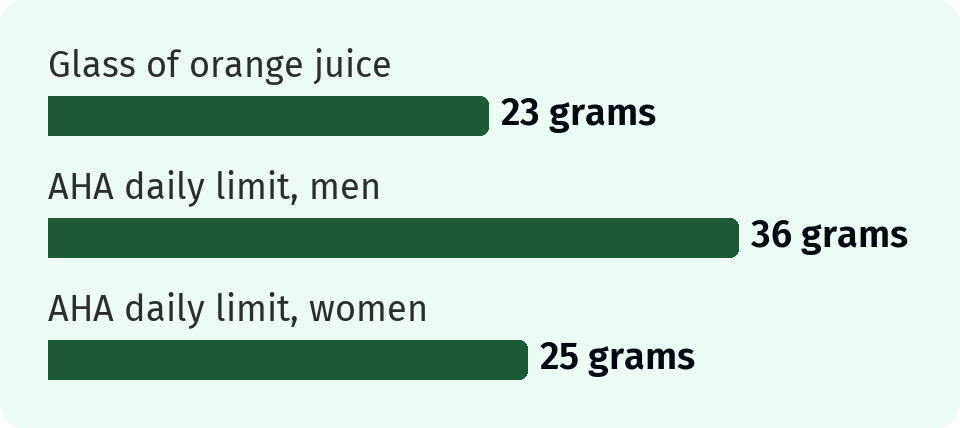
The sugar adds up fast. The clinic notes that a glass of orange juice contains about 23 grams of sugar, close to the daily limit the American Heart Association recommends: no more than 36 grams for men and 25 grams for women. Juice still beats soda thanks to its vitamins, but from a sugar standpoint the clinic calls the two "basically one and the same."
None of this makes juice a bad choice. The clinic points out that only about 12% of adults in the United States eat the recommended amount of fruit, so for many people too little fruit is the bigger problem. A glass is an easy way to add a serving. Whole fruit just gives you more for the same cup.
Portion size is where juice and whole fruit part ways. Cleveland Clinic notes that the U.S. Department of Agriculture recommends about 2 cups of fruit per day, and a cup in natural form is roughly a large orange or banana, a small apple or eight strawberries. Juiced, a cup is an 8-ounce glass, and the clinic says it can take the juice of five or six oranges to fill it. That is why the clinic suggests keeping juice servings small, closer to what you would eat whole. It points out that the American Heart Association counts 1/4 cup of fruit juice as one serving of fruit.
The apple makes the point clear. According to Cleveland Clinic, 12 ounces of apple juice or cider has about the same calories and sugar as three small apples but virtually no fiber, so your body absorbs the sugar much more quickly and you get hungry sooner than if you ate the apples. The clinic says fiber helps with digestion, lowering cholesterol and stabilizing blood sugar, and for most people natural sugars from whole foods do not cause the spikes that refined sugars do. Strip the fiber out and the sugar acts more like refined sugar in your body. A smoothie is a different case, the clinic adds, because whatever goes into the blender comes out in your drink, while juicing removes the pulp.
The label tells you what you are getting. Cleveland Clinic explains that 100% fruit juice is liquid pressed or squeezed from fruit, and the nutrition label should list familiar fruit names. Drinks with a lower percentage of juice, 10% for example, carry different names such as fruit drink. There is a small upside to juicing too: the clinic says breaking down the cell walls of certain plant foods, through juicing or cooking, can help you absorb some nutrients a little better, and if the fruit's color shows up in your glass you are getting some of its antioxidants and vitamins. The clinic's bottom line is that juice should not be your main source of fruit.
Talk to your doctor if you have diabetes or follow a prescribed eating plan and want to know how juice fits.
