- Thriving Guide
- Posts
- The Truth About Eating Swai Fish
The Truth About Eating Swai Fish
This budget-friendly white fish is mild in flavor but concerns over farming practices and toxins raise important questions about its safety.

Audrey Sawyer
February 03, 2026
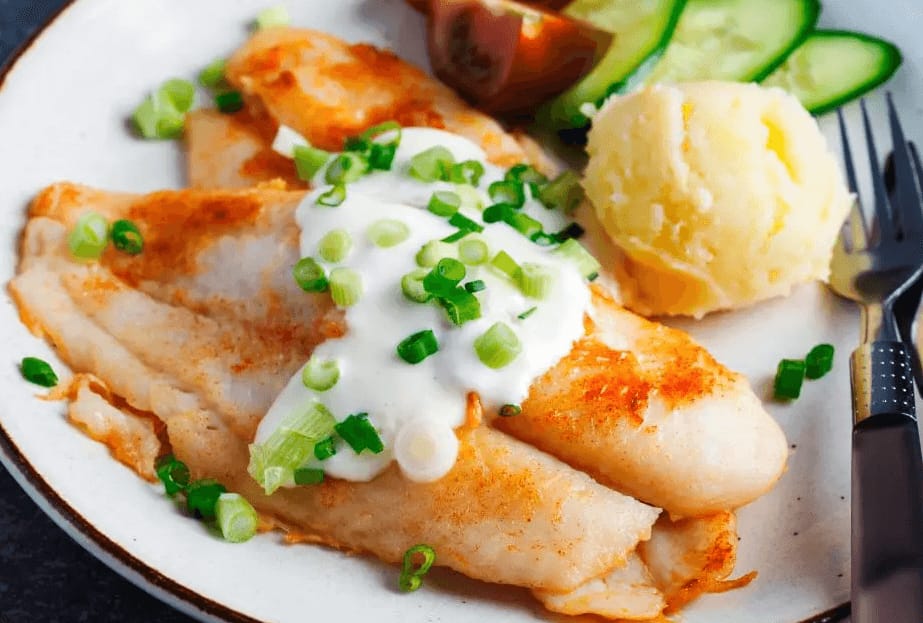
Swai fish, known for its mild taste and affordability, has gained popularity in kitchens across the U.S. But while it’s often a go-to for budget-conscious shoppers looking to add more fish to their diets, swai has come under scrutiny due to questionable farming practices and limited regulation in its countries of origin.
So, is swai fish actually safe to eat? Here's what you need to know before adding it to your cart or your plate.
What Is Swai Fish?
Swai, also labeled as basa, pangasius, or Vietnamese catfish, is a freshwater fish native to the Mekong River in Southeast Asia. Though similar to catfish, U.S. labeling laws prevent it from being marketed as such.
Swai is farm-raised and known for its:
Mild, slightly sweet flavor
Flaky white texture
Low cost compared to other fish
Nutritionally, a 4-ounce serving of swai contains:
Calories: 99
Protein: 21g
Fat: 2g
Omega-3s: Varies (often low)
Carbs: 0g
Sodium: 30.5mg
Cholesterol: 24.9mg
While it’s a lean source of protein, swai contains significantly fewer omega-3 fatty acids than other fish like salmon, sardines, or mackerel making it less ideal if you're eating fish for heart health benefits.
Is Swai Fish Safe?
While swai can be part of a healthy diet, there are some important safety concerns to consider, primarily tied to how and where it’s farmed:
1. Lack of Oversight in Farming Countries
About 90% of seafood consumed in the U.S. is imported, with swai coming primarily from Vietnam. Unlike domestically farmed fish, imported swai is often produced with less stringent safety and hygiene regulations.
2. Use of Antibiotics and Banned Substances
A study of swai farms in Vietnam found that nearly two-thirds of them used antibiotics some of which are banned for food production. These drugs may remain in the fish tissues and pose risks to human health.
3. Mercury and Contaminants
While swai generally has lower mercury levels than some large fish like swordfish, some samples have exceeded safe mercury limits. In addition, swai may contain PCBs and dioxins from fishmeal-based feed or polluted farming waters.
4. Environmental Concerns
Swai farming practices can lead to water pollution, overuse of chemicals, and poor fish welfare. These concerns have prompted major European retailers to ban the sale of swai altogether. Similarly, the Monterey Bay Aquarium’s Seafood Watch advises consumers to avoid swai due to sustainability and safety issues.
How to Choose Safer Swai
If you enjoy swai and want to continue eating it occasionally, here are ways to make safer choices:
Look for certifications like Best Aquaculture Practices (BAP) or ASC Farmed Pangasius, which ensure more responsible farming practices
Buy from reputable U.S. retailers with high sourcing standards
Cook thoroughly to 145°F (internal temperature) to kill bacteria and parasites
Avoid fillets with added chemicals or excessive water content
Choose fillets that are white or light pink in color and avoid those that are bright white (which may be chemically treated).
Safer Alternatives to Swai
If you’re looking for fish with a similar texture and flavor but with better nutritional profiles and safer farming records try these options:
Tilapia: Mild, affordable, and widely available, though farming practices vary
Salmon: Rich in omega-3s and widely recommended for heart health
Flounder or Sole: Light and flaky, with a cleaner sourcing record
Haddock or Pacific Cod: Mild and firm-textured, excellent for baking or frying
Striped Bass: Slightly saltier flavor but still mild and flaky
For the highest quality, look for wild-caught or responsibly farmed labels.
The Bottom Line
Swai fish can be a low-cost, lean source of protein, but its safety is questionable due to poor oversight, antibiotic use, and environmental concerns in many overseas farms. While occasional consumption of certified, properly cooked swai may not pose serious risks, regular intake may not be worth the gamble especially when more nutritious and responsibly sourced alternatives are widely available.
If you found this article helpful, share it or subscribe to our newsletter for more science-backed food and health insights.