- Thriving Guide
- Posts
- Itchy Tattoo? Causes and Ways to Find Relief
Itchy Tattoo? Causes and Ways to Find Relief
From normal healing to hidden allergies and infections, here's what that tattoo itch really means and what to do about it.

Audrey Sawyer
December 29, 2025
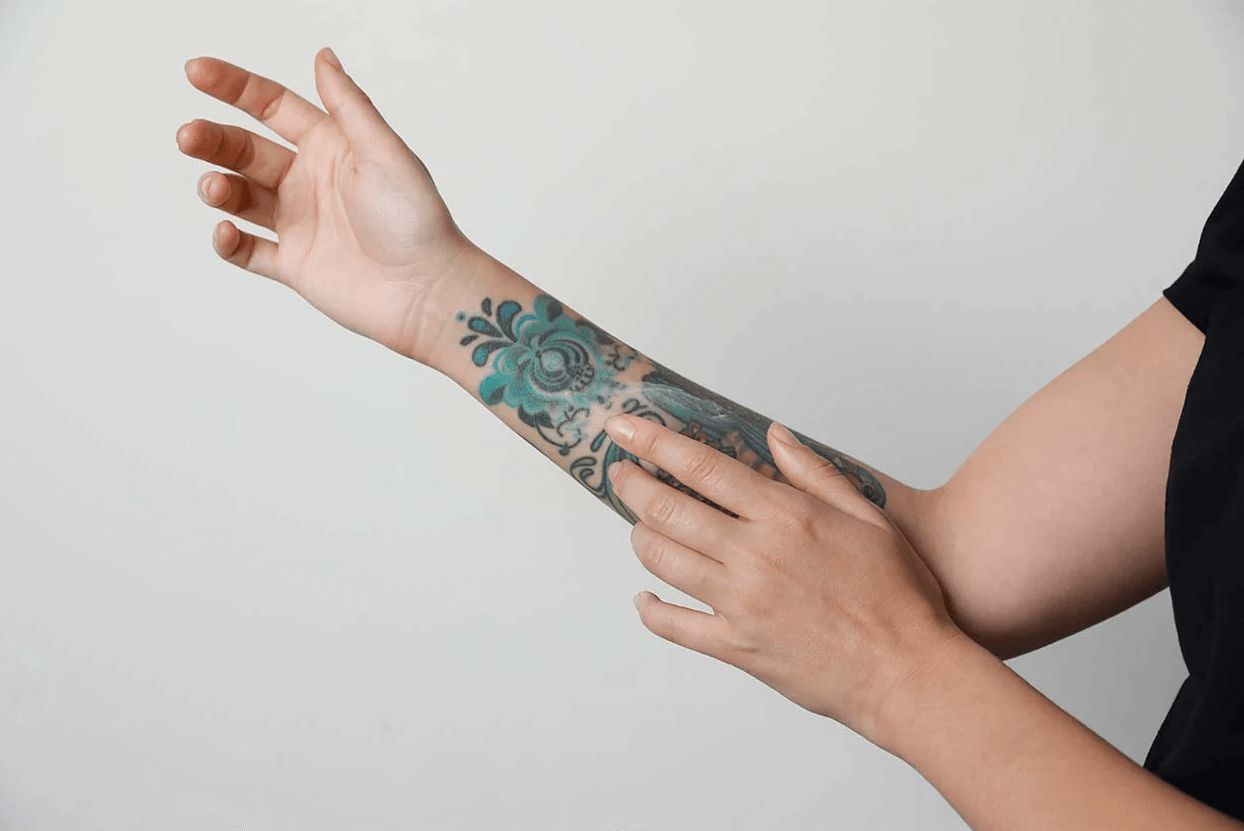
A little itch after getting a tattoo is normal and in many cases, it’s a good sign your skin is healing. But what if that itch turns intense, doesn’t go away, or comes back months (or years) later?
Itchy tattoos can have several causes, ranging from dry skin and sun exposure to allergic reactions, infections, or even underlying skin conditions. Understanding the difference between normal healing and something more serious is key to protecting both your skin and your ink.
Why Your Tattoo Feels Itchy While Healing
Getting a tattoo creates a controlled wound in your skin. As the ink is placed into the dermal layer using a needle, your body kicks off its healing response. Itchiness is one of the most common and expected parts of this process.
Here’s what happens:
Your immune system sends inflammatory cells to fight off bacteria and promote healing
A scab forms over the area, which helps protect the wound
As the skin repairs itself, itching can last up to three weeks
This is usually no cause for concern, but scratching can damage the tattoo, slow healing, and increase your risk of infection. Resist the urge and take steps to soothe the area instead.
Other Reasons Your Tattoo Might Itch
If the itch occurs outside the typical healing window or becomes severe, there could be another issue at play. Here are some of the most common causes:
Dry skin: A lack of moisture can make the skin around your tattoo feel tight and itchy. Using a fragrance-free moisturizer can help.
Allergic reaction: Redness, swelling, bumps, or blisters may indicate an allergy to certain ink pigments, particularly red or yellow.
Infection: Contaminated ink or unsterile conditions can cause infections, which may appear as a rash, swelling, pain, or pus.
Sun allergy: Ultraviolet light can trigger an itchy rash, blisters, or hives on tattooed skin especially if the tattoo is recent.
Skin conditions: Tattoos can trigger or worsen eczema, psoriasis, or other chronic skin conditions.
Sarcoidosis: A rare inflammatory disease that sometimes shows up in tattoos, typically as raised bumps or inflammation around red ink.
MRI reactions: Some inks contain trace metals that interact with MRI machines, leading to temporary skin irritation during scans.
In rare cases, persistent itching or skin changes in a tattoo may signal something more serious, like skin cancer. Tattoos can obscure moles or lesions, making it harder to spot early warning signs. Watch for:
Raised, itchy, or scaly patches
Pink growths or shiny bumps
Open sores that don’t heal
Avoid placing tattoos over moles, and check with a dermatologist if you notice any unusual skin changes.
How to Relieve Tattoo Itch Safely
Itching might be inevitable, but damage doesn’t have to be. Try these expert-backed tips to minimize discomfort and support healing:
Keep it clean: Gently wash with fragrance-free soap using your hands, then pat dry with a clean paper towel.
Moisturize regularly: Use a thin layer of a fragrance-free, color-free moisturizer (or natural options like coconut oil).
Apply cold compresses: These can help soothe irritation and reduce swelling.
Avoid hot water: Showers are fine, but skip baths, swimming pools, and hot tubs while healing.
Skip the scratching: If the itch is unbearable, gently tap the area instead of rubbing or scratching.
Stay sun-safe: Keep the area covered until healed, then apply SPF 30 or higher sunscreen to protect your ink.
Don’t re-bandage: After the initial two hours post-application, let your tattoo breathe.
Who Should Avoid Tattoos?
Tattoos aren’t right for everyone. You may want to postpone or avoid getting one if you:
Have chronic skin conditions (like eczema or psoriasis)
Are immunocompromised or undergoing treatment for cancer
Are pregnant or breastfeeding
Have allergies to tattoo ink ingredients, especially metals
Have uncontrolled diabetes, heart conditions, or bleeding disorders
When in doubt, consult your doctor or dermatologist before getting inked.
When to See a Healthcare Provider
Some itching is expected but it shouldn’t be extreme or persistent. Seek medical attention if you experience:
Fever, chills, or spreading redness (possible infection)
Intense, prolonged itching that doesn’t respond to home care
Blisters, swelling, or oozing from the tattoo site
Symptoms of allergic reactions, like hives or bumps
Pain or irritation during an MRI scan
Any suspicious skin changes on or near the tattoo
Prompt evaluation can prevent complications and ensure proper treatment if something is wrong.
Takeaway
Tattoo itch is usually harmless but it’s also not something to ignore. Knowing what’s normal and what’s not helps you care for your skin and protect your art. With the right aftercare and awareness, you can keep your ink looking great for years to come.
If you found this article helpful, share it or subscribe to our newsletter for more trusted wellness tips.