- Thriving Guide
- Posts
- Jaw Pain Explained What’s Causing It and What You Can Do
Jaw Pain Explained What’s Causing It and What You Can Do
From TMJ to heart attacks, here’s what your jaw pain could be telling you and how to treat it.

Audrey Sawyer
December 01, 2025
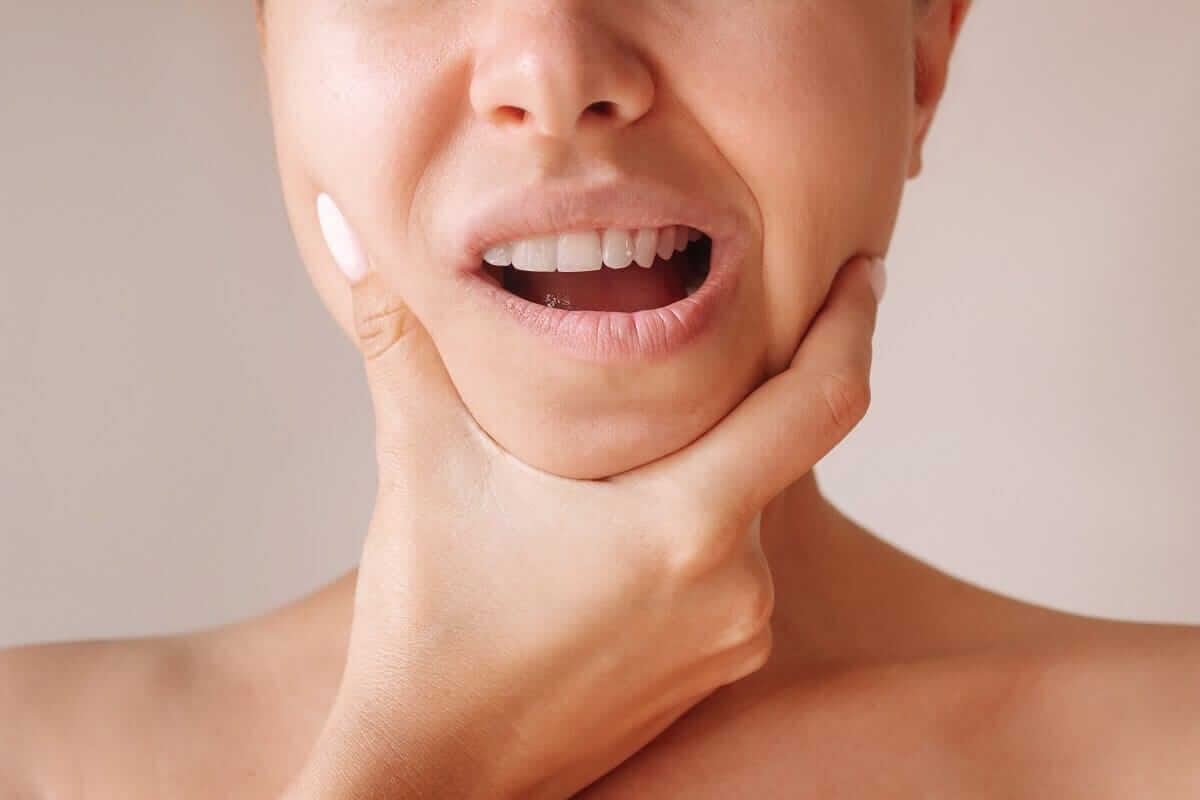
Whether it's a dull ache, sharp stab, or an uncomfortable tightness, jaw pain can catch you off guard and it isn’t always just about your teeth. The truth is, jaw pain can stem from many causes, ranging from dental issues to joint disorders and even serious conditions like heart attacks.
If you’re wondering “Why does my jaw hurt?” here’s a breakdown of the most common causes, warning signs to watch for, and treatment options to help you find relief.
Common Causes of Jaw Pain
Several conditions can trigger jaw pain, and each requires its own approach to treatment. Here are some of the most common causes:
Temporomandibular Joint Disorder (TMD): Affects the joint connecting your jawbone to your skull.
Bruxism: Grinding or clenching your teeth, often while sleeping.
Dental Issues: Gum disease, cavities, tooth abscesses, or cracked teeth.
Injuries: Trauma or fractures to the jaw or face.
Infections: Including sinus or ear infections and those involving teeth or the mouth.
Autoimmune Disorders: Such as rheumatoid arthritis, lupus, or Sjögren’s syndrome.
Cluster Headaches: Known to cause severe pain around one eye and can radiate to the jaw.
Trigeminal Neuralgia: A nerve condition causing electric shock-like facial pain.
Osteonecrosis of the Jaw: A rare condition where bone tissue dies due to limited blood supply.
Oral Cancers: Persistent jaw pain can occasionally be linked to underlying malignancies.
Could It Be Your Heart?
Jaw pain is sometimes a lesser-known warning sign of a heart attack, especially in women. If your jaw pain is accompanied by:
Chest discomfort or pressure
Shortness of breath
Nausea or vomiting
Lightheadedness or extreme fatigue
Seek emergency medical attention immediately.
Other Symptoms That May Come with Jaw Pain
Depending on the cause, jaw pain can show up alongside:
Clicking or popping sounds
Difficulty chewing or opening your mouth
Head, neck, or ear pain
Feeling like your jaw is out of alignment
A sudden change in your bite
How Is Jaw Pain Diagnosed?
Your healthcare provider will begin with a medical history and a physical exam. They may look for signs like jaw stiffness, muscle tenderness, or misalignment. If needed, imaging tests can offer deeper insights:
X-rays
CT scans
MRI
Ultrasound, in some cases
These tests help rule out structural problems, infection, or more serious conditions.
Medical Treatment Options
Treatment varies widely depending on the cause:
TMD or bruxism: May be treated with NSAIDs, muscle relaxants, antidepressants, or custom mouthguards. In severe cases, surgery or Botox injections may be considered.
Dental issues: Addressed through cleanings, fillings, root canals, or abscess drainage.
Infections: Often treated with antibiotics.
Autoimmune diseases or osteonecrosis: Managed with medications tailored to the specific condition.
Cancer: May require surgery, chemotherapy, or radiation.
At-Home Remedies for Jaw Pain Relief
While professional treatment is key, here are simple ways to ease discomfort at home:
Apply a warm compress or ice pack to reduce pain and inflammation.
Take over-the-counter pain relievers like ibuprofen or acetaminophen.
Gently massage the jaw joint to release tension.
Try jaw exercises recommended by a provider or physical therapist.
Avoid hard or chewy foods, yelling, or wide yawning.
Minimize habits like teeth grinding, nail biting, or gum chewing.
Practice stress-reduction techniques such as deep breathing or meditation.
Preventing Future Flare-Ups
Use a mouthguard if you grind your teeth at night.
Cut back on caffeine and other stimulants that increase clenching.
Stick to a soft-food diet during painful episodes.
Avoid jaw overuse until fully healed.
When to See a Healthcare Provider
Not all jaw pain is cause for panic but if you experience any of the following, it’s time to seek medical care:
Sudden, severe, or worsening pain
New onset of pain without a clear cause
Chest pain or pressure, especially if accompanied by jaw discomfort
Jaw that locks, clicks, or shifts out of alignment
Pain that spreads to your neck, ears, or shoulders
The Bottom Line
Jaw pain isn’t always serious but it’s not something to ignore either. From grinding your teeth at night to warning signs of a heart attack, identifying the source of your discomfort is the first step toward relief. If symptoms persist, worsen, or involve other parts of your body, consult your healthcare provider for a full evaluation and personalized treatment plan.
Was this guide helpful? Subscribe to our newsletter or share it with someone who may be wondering about their own jaw pain.