- Thriving Guide
- Posts
- How to Handle Lower Back Pain After Deadlifts
How to Handle Lower Back Pain After Deadlifts
Lower back pain after deadlifting is common and often linked to poor form, overtraining, or weak core muscles but most mild cases improve with rest and proper recovery.

Audrey Sawyer
March 13, 2026
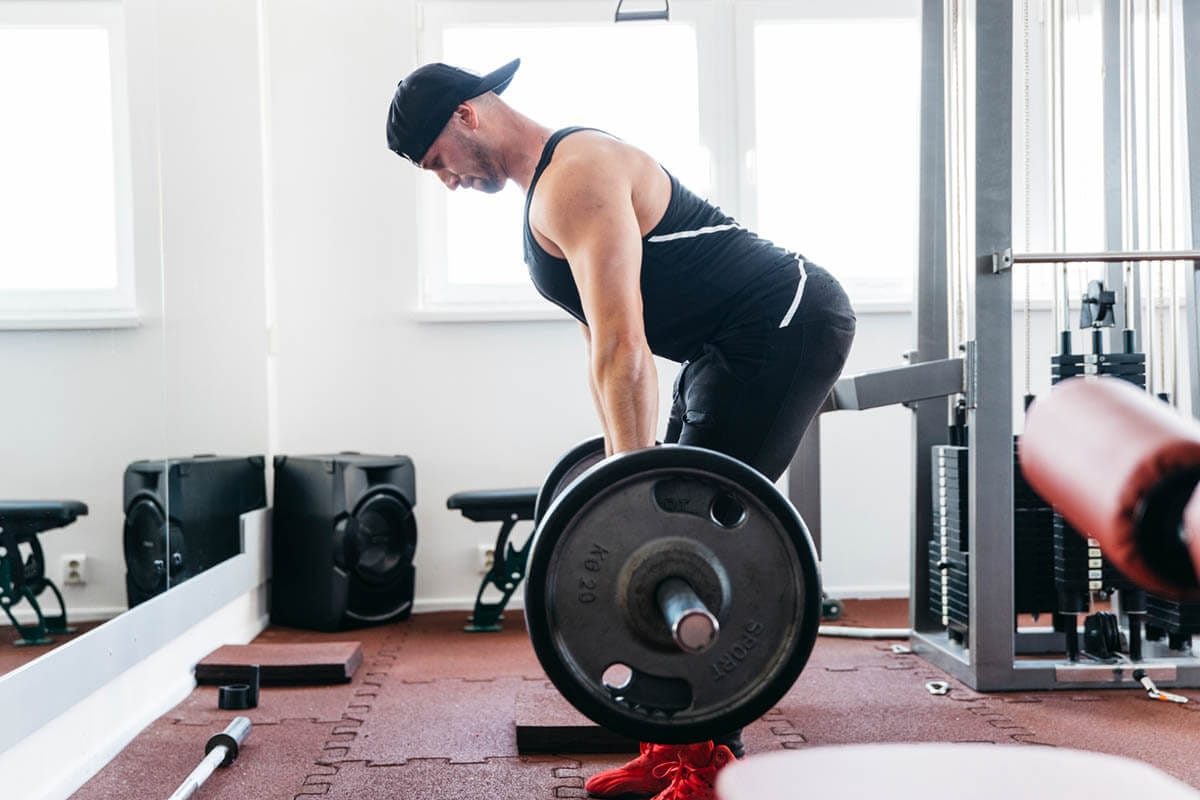
Deadlifts are one of the most effective strength-training exercises, targeting the back, hips, glutes, and legs. However, they can also place significant stress on the lower back if performed incorrectly or without proper preparation.
Lower back pain after deadlifts is common and is often caused by muscle strain or poor lifting mechanics. In many cases, mild discomfort can be treated at home with simple recovery strategies.
Common Causes of Lower Back Pain After Deadlifts
Deadlift-related back pain often involves the erector spinae muscles, which help stabilize and extend the spine.
Several factors may contribute to injury, including:
Improper form, such as rounding the back
Lifting excessive weight
Skipping warm-ups
Overtraining or insufficient recovery
Weak core muscles
Limited mobility in the hips, hamstrings, or upper back
Muscle imbalances, such as weak glutes or hamstrings
Pre-existing back problems
Addressing these issues can significantly reduce the risk of injury.
Muscle Soreness vs. Injury
It’s important to distinguish between normal muscle soreness and a more serious injury.
Delayed Onset Muscle Soreness (DOMS)
DOMS typically occurs 24 to 72 hours after exercise and is a normal response when muscles adapt to new or intense activity.
Signs include:
Mild stiffness
Aching muscles
Tenderness when touched
DOMS usually resolves within a few days.
Signs of a Back Injury
A deadlift injury may occur when muscles, ligaments, or spinal structures are strained or damaged.
Symptoms may include:
Sharp or severe lower back pain
Pain that worsens with bending or lifting
Pain radiating into the buttocks or legs
Swelling or bruising
Muscle spasms
Numbness or tingling
Difficulty standing or walking
These symptoms may appear immediately after lifting.
When to Seek Medical Attention
Consult a healthcare provider if pain:
Persists longer than two weeks
Becomes progressively worse
Interferes with daily activities
Seek immediate medical care if you experience:
Pain radiating down the legs
Loss of bowel or bladder control
High fever with back pain
Severe weakness or numbness
These symptoms could indicate a more serious spinal condition.
Home Remedies for Mild Back Pain
Most minor deadlift injuries improve within one to two weeks using conservative care.
Rest
Allow your back to rest for 24–48 hours after injury.
Avoid complete inactivity for long periods, as prolonged rest can cause stiffness and slow recovery.
Ice Therapy
Cold therapy helps reduce inflammation and pain.
Apply ice packs for 15–20 minutes at a time
Repeat several times per day
Use a cloth between the ice and skin
Gentle Stretching
Once pain begins to improve, gentle stretching can help restore flexibility and blood flow.
Focus on stretches for:
Lower back
Hamstrings
Hips
Avoid any movements that trigger sharp pain.
Over-the-Counter Pain Relief
Nonsteroidal anti-inflammatory drugs (NSAIDs) such as:
Ibuprofen
Naproxen
may help temporarily reduce inflammation and discomfort.
Always follow recommended dosages and consult a healthcare provider if needed.
Physical Therapy
If symptoms persist, a physical therapist may help with rehabilitation through techniques such as:
Therapeutic stretching and strengthening exercises
Massage therapy
Electrical stimulation
Ultrasound therapy
Contrast hot/cold treatments
These treatments can improve mobility, reduce pain, and strengthen the muscles supporting the spine.
Advanced Treatment Options
In rare cases where conservative treatments fail, specialists may recommend additional therapies.
These may include:
Prescription medications
Cortisone injections to reduce inflammation
Radiofrequency ablation to block pain signals
Implantable nerve stimulators
Surgery for severe spinal conditions
These treatments are typically reserved for persistent or serious injuries.
How to Prevent Deadlift Back Injuries
Most deadlift injuries can be prevented with proper preparation and technique.
Warm Up Properly
Start workouts with 5–10 minutes of light aerobic activity to increase blood flow.
Effective warm-up exercises include:
Foam rolling
Hip circles
Bird dogs
Lateral lunges
Deep squats
Focus on Proper Form
Correct deadlift technique helps protect the spine.
Key form tips include:
Keep your back straight and chest lifted
Engage your core muscles
Hinge at the hips, not the lower back
Keep the bar close to your body
Increase weight gradually
Prioritize proper form before increasing lifting loads.
Strengthen Supporting Muscles
Building strength in your core, glutes, and hips helps stabilize the spine.
Helpful exercises include:
Clamshells
Glute bridges
Fire hydrants
These exercises improve pelvic stability and reduce strain on the lower back.
The Bottom Line
Lower back pain after deadlifts is common and often caused by muscle strain, improper technique, or inadequate warm-ups.
Most mild cases improve with rest, ice, gentle stretching, and over-the-counter pain relief. However, persistent or severe symptoms should be evaluated by a healthcare provider.
Using proper form, strengthening supporting muscles, and warming up effectively can help prevent future injuries and allow you to deadlift safely.
If you enjoyed this article, consider sharing it or subscribing to our newsletter for more wellness insights.