- Thriving Guide
- Posts
- Build Core Stability With Lying Leg Extensions
Build Core Stability With Lying Leg Extensions
A simple, low-impact move that strengthens your core and supports your spine no equipment needed.

Audrey Sawyer
January 19, 2026
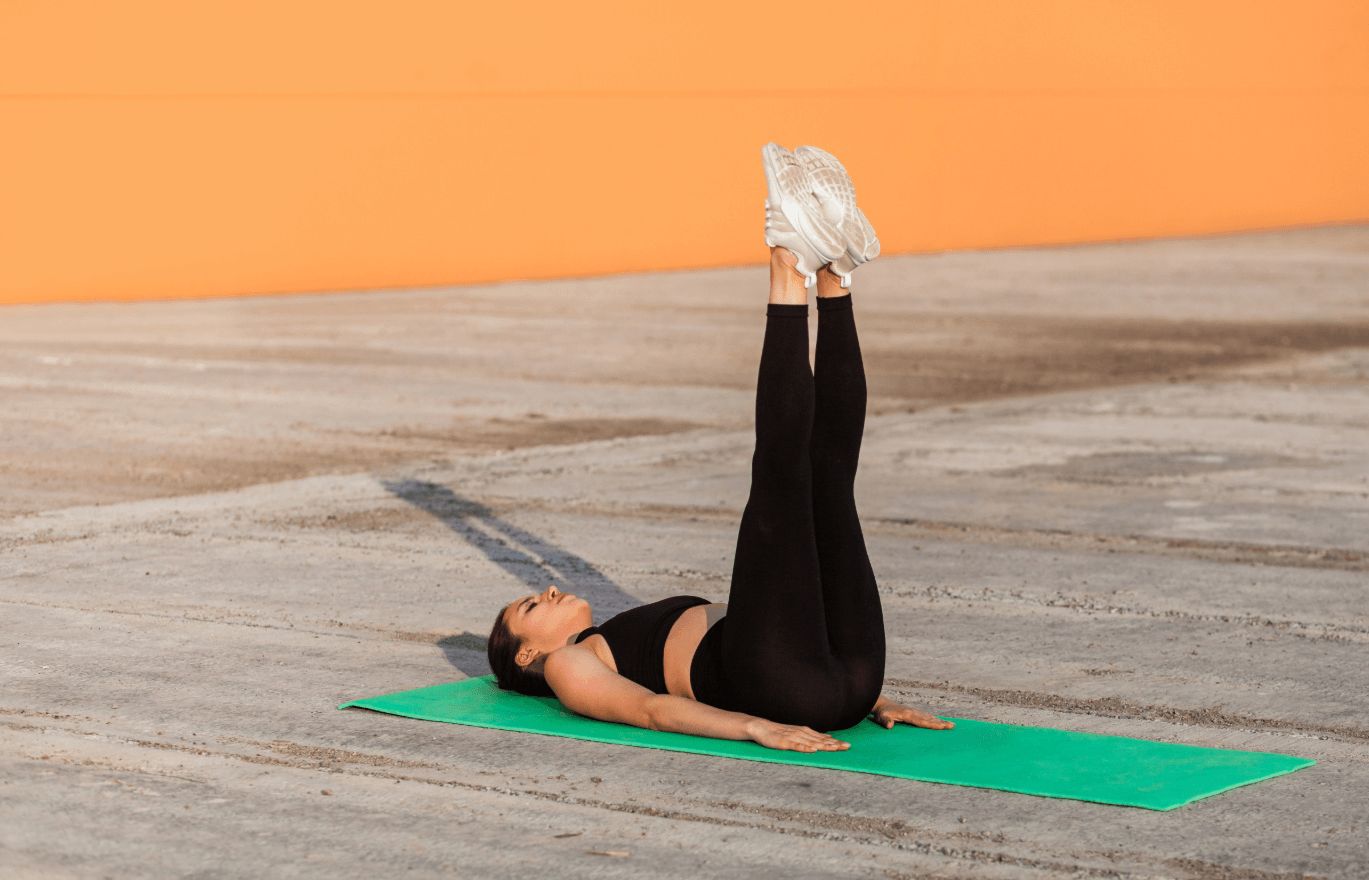
If you’re looking for a simple, no-equipment way to strengthen your core, lying leg extensions may be exactly what your routine needs. Often recommended by physical therapists for back pain and core conditioning, this underrated move targets deep abdominal muscles, enhances spinal stability, and builds a solid foundation for more advanced exercises.
Best of all? You can do it anywhere with just your body and a hard floor.
What Are Lying Leg Extensions?
Lying leg extensions are a core-focused movement that involves lifting one leg at a time while keeping your trunk stable. Depending on the position lying on your back (supine) or on your stomach (prone) these exercises target different muscle groups including your abdominals, hip flexors, glutes, and even your lower back.
When performed correctly, they help:
Improve postural alignment
Reduce lower back discomfort
Enhance abdominal control
Support functional movements like walking or squatting
The Core Connection
While the term “leg extension” might suggest you’re just working your legs, the true power of this exercise lies in core stabilization. As your leg lifts, your body naturally wants to shift your job is to resist that movement using your core. That resistance strengthens key muscles, including:
Transverse abdominis (deep core stabilizer)
Internal and external obliques (side abdominal muscles)
Rectus abdominis (your “six-pack” muscle)
Research published in Physical Therapy in Sport found that controlled core exercises like leg extensions improve trunk stability and functional movement patterns, especially in those recovering from low back pain.
How to Do Lying Leg Extensions (Supine)
This beginner variation is a go-to for physical therapists because it’s gentle on the spine and easy to modify.
Here’s how to start:
Lie on your back on a hard, non-slip surface (like a yoga mat on the floor).
Bend your knees, placing your feet flat on the ground.
Take a deep breath in. As you exhale, slowly lift one leg, keeping your knee bent at the same angle throughout the movement.
Avoid letting your hips, lower back, or ribs shift your core should stay engaged and steady.
Inhale as you gently lower the foot back to the floor, maintaining control. Don’t let gravity take over.
Repeat on the other leg.
Pro tip: Slow, mindful movement is more effective than fast reps. Aim for 3–10 reps per leg, focusing on form over speed.
How to Do Lying Leg Extensions (Prone)
This version is more advanced and shifts the focus to the posterior chain glutes, hamstrings, and low back while still requiring core control.
Try it like this:
Lie on your stomach with legs extended and elbows bent, palms on the floor near your shoulders.
Gently draw your belly button away from the floor to engage your core and protect your lower back.
Inhale, then exhale as you lift one leg a few inches off the ground. Keep the movement small and controlled avoid arching your back.
Inhale to lower your leg slowly back down.
Repeat on the opposite side.
Reminder: This movement is about precision, not height. Lifting your leg too high often leads to unnecessary back strain.
Why This Exercise Works
Lying leg extensions are a safe, effective way to train your core, especially if you're recovering from an injury, dealing with back pain, or just starting out. It also offers versatility you can scale the movement to your fitness level by adjusting your leg position, tempo, or reps.
Some benefits include:
Low impact, spine-friendly
Builds core strength needed for everyday movement
Enhances pelvic control and posture
No equipment necessary
How Often Should You Do It?
If you're using this move to support back health or core training, 2–3 times per week is a great place to start. Always prioritize quality over quantity doing fewer reps with perfect alignment is far more effective than rushing through a set.
Share this article or subscribe to our newsletter for more practical fitness insights.