- Thriving Guide
- Posts
- The Soothing Benefits of Milk Baths How to Try One
The Soothing Benefits of Milk Baths How to Try One
Why this ancient self-care ritual is still a luxurious go-to for soft, glowing skin.

Audrey Sawyer
December 01, 2025
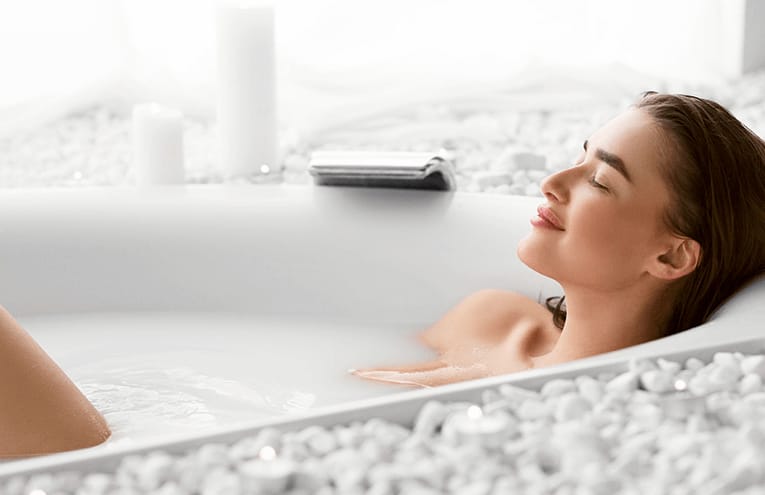
There’s something timeless and indulgent about slipping into a warm milk bath. Used for centuries by icons like Cleopatra and beloved in modern beauty routines, milk baths are praised for their skin-softening effects and spa-like luxury. But do they actually work and how can you create one at home?
Here’s what you need to know about milk bath benefits, skin uses, and easy ways to make your own.
What Is a Milk Bath?
A milk bath involves adding liquid or powdered milk to warm bathwater to nourish and gently exfoliate the skin. People have long used milk soaks to improve skin texture, soothe irritation, and indulge in a little self-care. While the modern version often includes extras like essential oils or herbs, the base idea remains the same: immerse your skin in the richness of milk’s natural fats and proteins.
Skin Benefits of Milk Baths
While scientific studies on milk baths are limited, anecdotal evidence suggests some notable skin perks:
Softens and smooths skin: Milk’s natural fats coat the skin, leaving it feeling silky but not greasy.
Gentle exfoliation: Lactic acid in milk (especially in buttermilk) acts as a natural alpha hydroxy acid (AHA), helping dissolve dead skin cells and brighten dull areas.
Soothes dryness: The moisture-retaining properties of milk can ease temporary dryness, especially in colder months.
Calms the senses: The scent and feel of a milk bath can be relaxing, helping reduce stress and enhance your mood.
That said, milk baths are more of a cosmetic ritual than a medical treatment. They're not a substitute for treating chronic skin conditions, and their effects while enjoyable are typically mild and temporary.
Can Milk Baths Help Skin Conditions?
Milk baths have been used as folk remedies for sunburn, eczema, psoriasis, and skin irritation. However, scientific evidence to support these uses is minimal. In studies, human breast milk has shown some potential for soothing eczema, but results are mixed and it's unclear if cow or goat milk has the same benefit.
If you’re dealing with a skin condition, check with your dermatologist before adding milk baths to your routine.
Types of Milk to Use in a Milk Bath
You’re not limited to cow’s milk there are plenty of options, each with unique benefits:
Whole milk: Most commonly used; affordable and easy to find. Its fat content gives that signature silky finish.
Goat milk: Higher in butterfat and often richer in texture.
Buttermilk: Naturally high in lactic acid, which may boost exfoliation.
Breast milk: Occasionally used by nursing parents; mostly anecdotal in effectiveness.
Almond, coconut, or oat milk: Great vegan options that offer a creamy texture and mild moisturizing benefits.
Powdered milk: Convenient, non-perishable, and often used in commercial bath products to avoid spoilage.
How to Make a Milk Bath at Home
Creating your own milk bath is simple and customizable:
Fill your tub with warm (not hot) water.
Add milk after the tub is filled to avoid unnecessary bubbles:
Liquid milk: 1 to 2 cups
Powdered milk: ⅓ to ⅔ cup
Optional add-ins:
½ cup Epsom salts or sea salt
A few drops of skin-safe essential oils (like lavender or chamomile)
1 tablespoon honey
Handful of dried flowers or herbs (lavender buds, rose petals, chamomile)
Ground oats for extra soothing benefits
Pro tip: You can pre-mix these ingredients in jars or sachets to have on hand for quick self-care sessions or even make DIY milk bath bombs.
Milk Bath Products to Try
If you’d rather skip the DIY route, there are plenty of ready-to-use milk bath products on the market, from luxury blends with essential oils to foaming formulas that double as bubble baths. Just be sure to check the ingredient label milk or milk protein should appear near the top of the list for maximum benefit.
Important Notes Before You Soak
Milk baths are not a replacement for skincare treatments. While they can soften skin and help you relax, they won’t treat conditions like eczema or psoriasis on their own.
If you have sensitive skin or allergies, especially to dairy or fragrances, test your milk bath mix on a small area before soaking.
Avoid slipping milk fats can make your tub slick. Rinse well after use.
The Bottom Line
A milk bath is a luxurious, affordable, and time-tested way to pamper your skin and relax your mind. Whether you're using whole milk, almond milk, or something fancier, the result is a sensorial soak that leaves you feeling smooth, soft, and more grounded inside and out.
If you enjoyed this guide, subscribe to our newsletter or share it with someone who deserves a little self-care.