- Thriving Guide
- Posts
- Move More Before Conception, Benefit Baby's Brain
Move More Before Conception, Benefit Baby's Brain
Healthy habits before pregnancy matter more than you think.
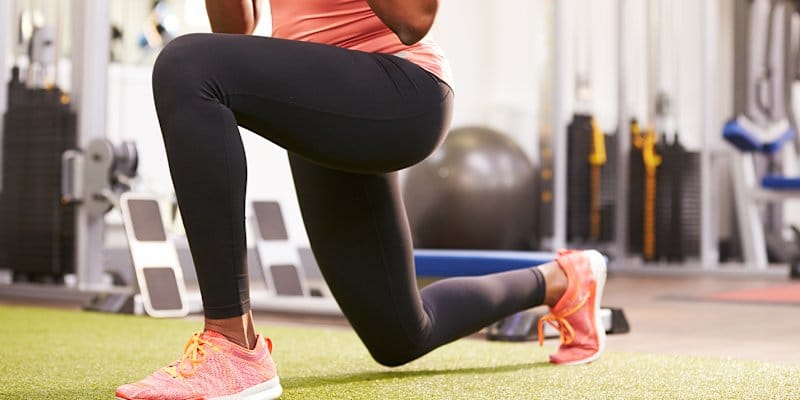
The Power of Pre-Pregnancy Fitness
We often focus on what to do during pregnancy to ensure a healthy baby. But emerging research highlights the critical role of a mother's health habits before conception, specifically regarding exercise and its impact on early brain development.
A recent study, analyzing data from over 38,000 mothers, has revealed a compelling link between pre-pregnancy exercise and improved neurodevelopment in infants. This suggests that establishing a fitness routine before even trying to conceive could offer significant advantages for your child's future cognitive abilities.
Delving Into the Research
The study, whose specifics are not detailed in the source material, likely involved tracking the exercise habits of women before and during pregnancy. Researchers then assessed the neurodevelopmental outcomes of their children, looking for correlations between maternal fitness levels and various markers of brain function and cognitive skills.
While the exact mechanisms behind this connection are still being explored, several theories are gaining traction. Exercise is known to improve cardiovascular health, which, in turn, enhances blood flow and oxygen delivery to the brain. This could create a more optimal environment for the developing fetus, even in the earliest stages of gestation. Furthermore, exercise can positively influence hormonal balance and reduce inflammation, both of which can affect fetal development.
Beyond the Physical: The Mental Game
It's important to remember that exercise isn't just about physical health; it also significantly impacts mental well-being. Regular physical activity can reduce stress, improve mood, and enhance sleep quality. These benefits are particularly relevant during the pre-conception period, as a healthy and balanced mental state can positively influence fertility and create a more supportive environment for early pregnancy.
Practical Implications for Aspiring Parents
So, what does this mean for women planning to start a family? The message is clear: prioritize exercise before pregnancy. Aim for at least 150 minutes of moderate-intensity aerobic activity per week, as recommended by many health organizations. This could include brisk walking, jogging, swimming, or cycling. Incorporate strength training exercises at least twice a week to build muscle mass and improve overall fitness.
Of course, it's always wise to consult with your healthcare provider before starting any new exercise program, especially if you have any underlying health conditions. They can provide personalized guidance and ensure that your fitness routine is safe and appropriate for your individual needs.
By embracing a healthy lifestyle that includes regular exercise before conception, you can potentially give your future child a head start in life, setting the stage for optimal brain development and cognitive function. The benefits extend beyond just the physical, promoting a more balanced and resilient mental state for both you and your baby.
For more insights on fitness, subscribe to our newsletter.