- Thriving Guide
- Posts
- How Long Nicotine Remains in the Body
How Long Nicotine Remains in the Body
From cravings to withdrawal, here’s what happens in your body after you stop using nicotine.

Audrey Sawyer
December 01, 2025
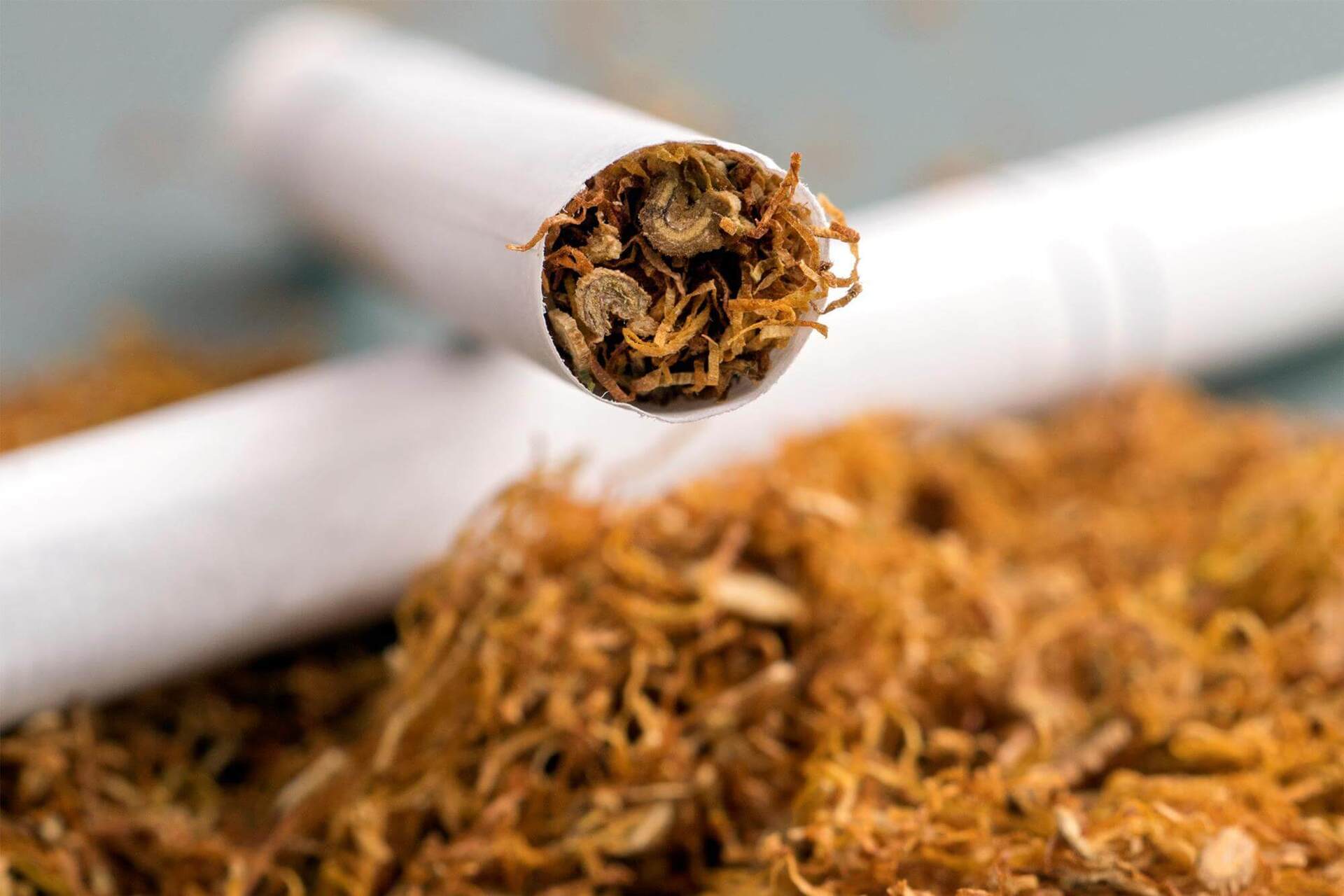
Whether you're trying to quit smoking, switch to a nicotine-free lifestyle, or simply curious about how long nicotine lingers in your system, understanding the timeline of nicotine metabolism and withdrawal is key. While nicotine itself leaves the bloodstream fairly quickly, its effects and its more persistent byproduct, cotinine can stick around for much longer.
How Long Does Nicotine Stay in the Body?
Nicotine has a relatively short half-life of about two hours, meaning half the amount is metabolized and eliminated in that time. Most nicotine is cleared from the bloodstream within one day, though traces can remain detectable for up to three days.
However, the real marker for nicotine use is cotinine, a byproduct created as your body breaks down nicotine. Cotinine has a longer half-life of approximately 18 hours and can stay in the blood for several days sometimes even up to a week depending on individual metabolism, frequency of use, and the type of nicotine product consumed.
Detection Windows by Test Type
Nicotine and its byproducts can be detected through several types of tests, each with a different window:
Blood: 1 to 3 days for nicotine; up to 10 days for cotinine
Urine: 3 to 4 days, but longer for heavy smokers
Saliva: Up to 4 days
Hair: Up to 90 days
Factors That Affect How Long Nicotine Stays in the System
Metabolism rate: People with faster metabolisms process nicotine more quickly
Frequency of use: The more often you use nicotine, the longer it takes to leave your body
Type of product: Cigarettes, vapes, pouches, and gums all vary in nicotine content
Age, sex, and overall health: Liver function and hydration also play a role
Nicotine Withdrawal and Cravings
Even after nicotine exits the bloodstream, cravings and withdrawal symptoms can linger.
Cravings often begin within a few hours after last use and can last for weeks or even longer
Withdrawal symptoms typically begin within hours and peak in the first three days, gradually easing over three to four weeks
Common Symptoms of Nicotine Withdrawal:
Irritability and anxiety
Difficulty concentrating
Insomnia and vivid dreams
Cravings and restlessness
Increased appetite
Low mood or mild depression
Less common symptoms may include fatigue, dizziness, constipation, and headaches.
Health Effects of Nicotine
While often associated with tobacco, nicotine itself affects the body in various ways:
Increases heart rate, blood pressure, and respiration
Raises risk for heart attack and vascular issues
Disrupts normal brain development in teens and young adults
May harm a developing fetus during pregnancy
Nicotine works by stimulating the release of dopamine, creating a “feel-good” sensation that contributes to its addictive nature. Over time, users may need larger doses to get the same effect, increasing the risk of dependence.
Nicotine Overdose Is Possible
With the rise of e-cigarettes and high-concentration nicotine products, overdose is a growing concern especially in adolescents and young users who may not realize how much they’re consuming.
Early symptoms of nicotine overdose (aka “nic-sick”):
Nausea or vomiting
Rapid heartbeat
Dizziness or tremors
Anxiety or confusion
Severe overdose symptoms:
Shallow breathing
Muscle weakness or seizures
Respiratory failure
Loss of consciousness
Ingesting liquid nicotine can be fatal, particularly for children, so all products should be stored securely out of reach.
Tips for Quitting Nicotine
Quitting is challenging, but absolutely possible with the right tools and support.
Nicotine Replacement Therapies (NRT) include:
Nicotine patches
Nicotine gum
Lozenges or inhalers
These options can ease withdrawal symptoms and reduce cravings without exposing you to harmful chemicals found in tobacco smoke.
Other support methods:
Behavioral therapy or counseling
Avoiding known triggers
Practicing stress-reduction techniques like yoga or deep breathing
Prescription medications such as bupropion or varenicline
Note: E-cigarettes are not currently recommended as cessation aids.
If you found this helpful, subscribe to our newsletter or share it with someone on a wellness journey.