- Thriving Guide
- Posts
- What Triggers Nighttime Anxiety
What Triggers Nighttime Anxiety
When the world quiets down, your worries may get louder here’s how to calm your mind and sleep better.

Audrey Sawyer
December 16, 2025
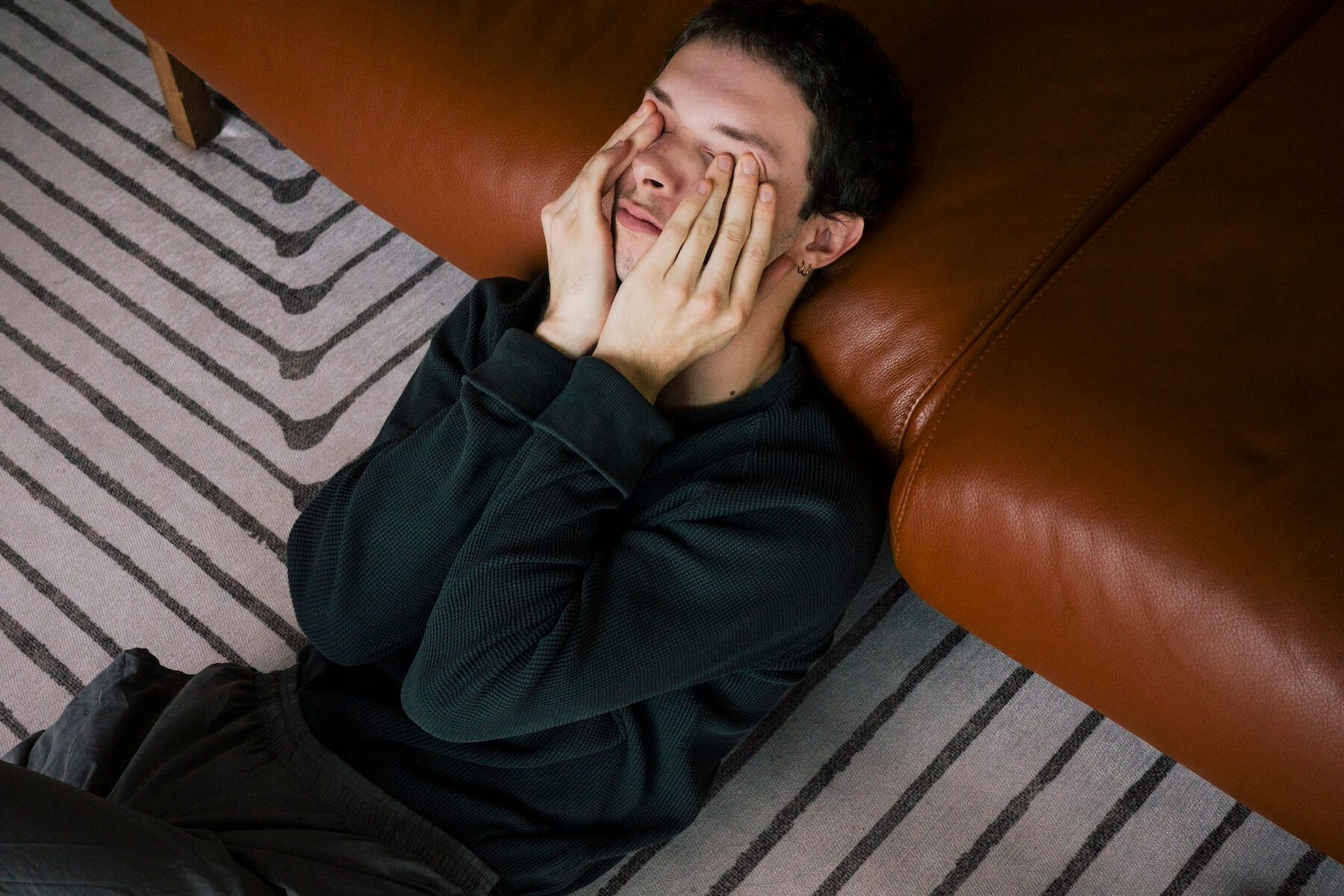
It’s a familiar scene for many the lights go out, the house is quiet, and your mind starts racing. If you find yourself battling anxiety at night, you’re not alone and it’s more common than you might think. While nighttime anxiety isn’t a distinct diagnosis, it can feel more intense than anxiety during the day simply because there are fewer distractions. Understanding what causes it and how to manage it can help you reclaim your nights and get the rest your body and mind need.
Why Anxiety Feels Worse at Night
During the day, your mind is occupied with tasks, conversations, and to-do lists. But at night, without those distractions, suppressed worries often come to the surface. That stillness can amplify stress, especially if you’re going through life changes or facing uncertainty.
Common causes of anxiety, including nighttime anxiety, include:
Major life changes, such as job transitions, breakups, or moving.
Financial stress or instability.
Unresolved trauma or a history of difficult experiences.
Social isolation and lack of emotional support.
Cultural pressures to meet certain expectations or lifestyles.
Work or academic stress, including deadlines and performance pressure.
These triggers don't switch off when the sun sets they often follow you into bed.
The Sleep-Anxiety Connection
One of the most frustrating aspects of nighttime anxiety is its relationship with sleep. Anxiety can keep you awake, and not getting enough sleep can make anxiety worse a vicious cycle. According to the Centers for Disease Control and Prevention (CDC), over 30% of adults and up to 90% of teens don’t get the recommended amount of sleep. Poor sleep weakens emotional regulation, making anxious thoughts harder to manage.
To break the cycle:
Stick to a consistent sleep schedule.
Avoid caffeine and screens before bed.
Wind down with a calming bedtime routine.
Quick Techniques for Calming Your Mind
If anxiety starts creeping in at night, a few evidence-based strategies can provide relief:
Challenge negative thoughts: Ask yourself if your worries are based on facts or fears.
Practice deep breathing: Try the 4-7-8 technique inhale for 4 seconds, hold for 7, exhale for 8.
Listen to calming music: Soothing sounds can relax your nervous system.
Meditate or do gentle yoga: These practices anchor you to the present moment.
Journal: Write out your thoughts to reduce mental clutter.
When Professional Help Is Needed
If nighttime anxiety is interfering with your sleep or daily functioning, it may be time to talk to a healthcare provider. Cognitive behavioral therapy (CBT) is one of the most effective treatments for anxiety. It helps you reframe anxious thoughts and develop healthier coping strategies. For those whose sleep is deeply affected, CBT for insomnia (CBT-I) can be especially helpful.
Other treatment options may include:
Medication prescribed by a medical provider.
Other types of talk therapy, like acceptance and commitment therapy (ACT).
Lifestyle changes that support mental wellness.
Lifestyle Strategies That Support Mental Health
Your daily habits can have a significant impact on nighttime anxiety. Experts recommend the following approaches for long-term support:
Eat a plant-forward, nutrient-rich diet.
Exercise regularly just 30 minutes a day can improve mood.
Get adequate, quality sleep each night.
Manage stress with tools like breathwork, mindfulness, or hobbies.
Avoid tobacco and excess alcohol, which can worsen anxiety.
Stay connected through supportive relationships.
Recognizing Nighttime Anxiety Symptoms
If you’re not sure whether you’re experiencing anxiety at night, these are some common symptoms:
Difficulty falling or staying asleep
Feeling restless or irritable
Tightness in the chest or difficulty breathing
Digestive issues like nausea or bloating
Muscular pain in the back, shoulders, or neck
Nightmares or flashbacks
Overthinking or replaying past events
Worrying about the future
Daytime fatigue from poor sleep
Data shows that over half (56%) of individuals who experience nighttime anxiety have moderate to severe symptoms. Recognizing these patterns early can help you take action before symptoms escalate.
When to Seek Immediate Medical Attention
In rare cases, anxiety can mimic symptoms of more serious health conditions. If you experience chest pain, shortness of breath, or dizziness that doesn’t improve, seek emergency care.
You Can Get Through This
Nighttime anxiety is common but it’s also manageable. By addressing the root causes, adopting healthier habits, and seeking professional help when needed, it is absolutely possible to calm your mind and get restful sleep.
If this article resonated with you, subscribe to our newsletter or share it with someone who might benefit.