- Thriving Guide
- Posts
- Not Drinking Enough Water? Here’s What Happens to Your Skin
Not Drinking Enough Water? Here’s What Happens to Your Skin
Dehydration shows up on your face before anywhere else here’s what your skin is trying to tell you.

Audrey Sawyer
February 06, 2026
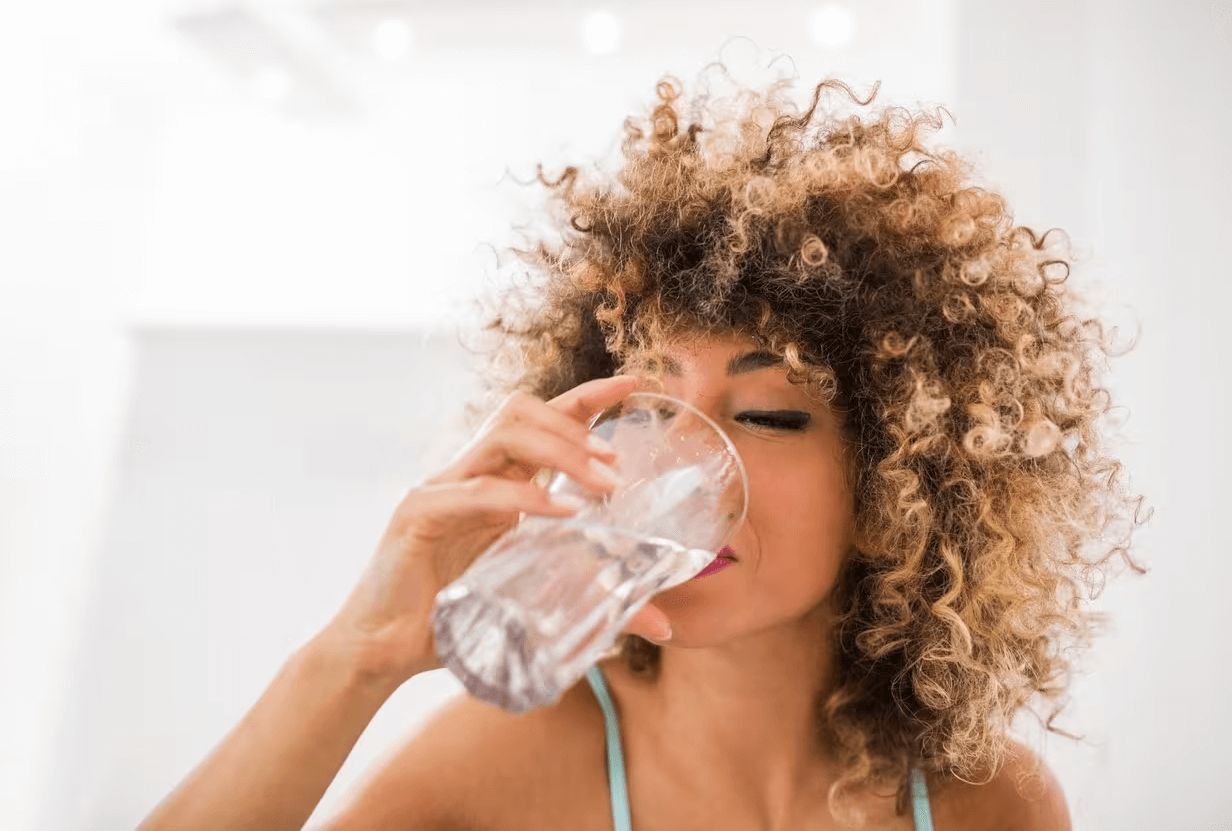
Your skin is often the first place dehydration makes itself known. While fatigue and headaches are common symptoms, your complexion may send out early warning signs that you're not getting enough water long before you feel thirsty.
Here’s how dehydration impacts your skin, what symptoms to watch for, and how to restore moisture from the inside out.
The Skin–Water Connection
Water is essential to every organ in your body, and your skin the largest of them all relies on it for structure, elasticity, and defense. About 30% of your skin’s outermost layer is composed of water, which helps maintain barrier function, repair damage, and prevent moisture loss.
Without enough hydration, your skin can’t perform these roles properly, leaving it vulnerable to dryness, irritation, and premature aging.
Signs of Dehydrated Skin
You might think of dry skin as a surface-level issue, but it often starts from within. When you’re not drinking enough water, your skin may show:
Dry or rough patches
Flaky or peeling areas
Redness or inflammation
Itchiness or discomfort
A “crinkled” appearance when pinched (a sign of poor skin turgor)
If you notice these symptoms, it’s worth considering your water intake especially if your usual skincare routine isn’t helping.
Other Common Signs of Dehydration
Dehydrated skin is usually accompanied by other body-wide symptoms, including:
A dry or sticky mouth
Headaches or dizziness
Low urine output or dark yellow urine
Constipation or hard stools
Fatigue or weakness
Occasional, unexplained weight gain (from fluid retention)
Even a 5% drop in body water can lead to mild dehydration and trigger these effects.
Why Your Skin Needs Water
Beyond just moisture, water plays several roles in keeping your skin healthy:
Regulates temperature: Your skin uses sweat to cool down during heat or exercise.
Strengthens the skin barrier: Adequate hydration helps lock in moisture and prevent irritants from penetrating the skin.
Supports cell turnover: Hydrated skin renews itself more efficiently, improving texture and clarity.
Your body is made up of approximately 60% water, and skin health is one of the first systems affected when hydration levels drop.
How Much Water Is Enough?
While needs vary, general guidelines recommend:
90 to 120 ounces per day for most adults (roughly 11–15 cups)
Adjustments based on factors like activity level, age, climate, and health status
Keep in mind that about 20% of your hydration typically comes from food especially fruits and vegetables so water-rich meals can help bridge the gap.
What to Do If You Have Dry Skin
If you suspect dehydration is behind your dry or irritated skin, increasing water intake is the first step. When dehydration is the cause, drinking more water may:
Improve elasticity and texture
Strengthen the skin’s protective barrier
Restore a healthy glow
But if you're already well-hydrated and still experiencing dry skin, topical strategies can help:
Use fragrance-free, hydrating moisturizers with ingredients like hyaluronic acid or glycerin
Avoid harsh soaps or exfoliants that strip the skin of natural oils
Shower in warm, not hot, water to prevent further moisture loss
Use a humidifier during dry months to help maintain skin hydration
Quick Stat Check:
The human body is about 60% water
Water makes up 30% of the weight of your outermost skin layer
A 15% decrease in body water is considered a medical emergency
Proper hydration is one of the simplest and most overlooked steps in maintaining healthy skin. If your complexion feels tight, itchy, or unusually dull, try reaching for a glass of water before you add another serum to your routine.
Love this article? Share it or subscribe to our newsletter for more tips like these.