- Thriving Guide
- Posts
- Oolong Tea Can Support Weight Loss and Metabolism Naturally
Oolong Tea Can Support Weight Loss and Metabolism Naturally
From curbing appetite to boosting fat burn, oolong tea offers a gentle yet effective way to complement your wellness routine.

Audrey Sawyer
January 02, 2026
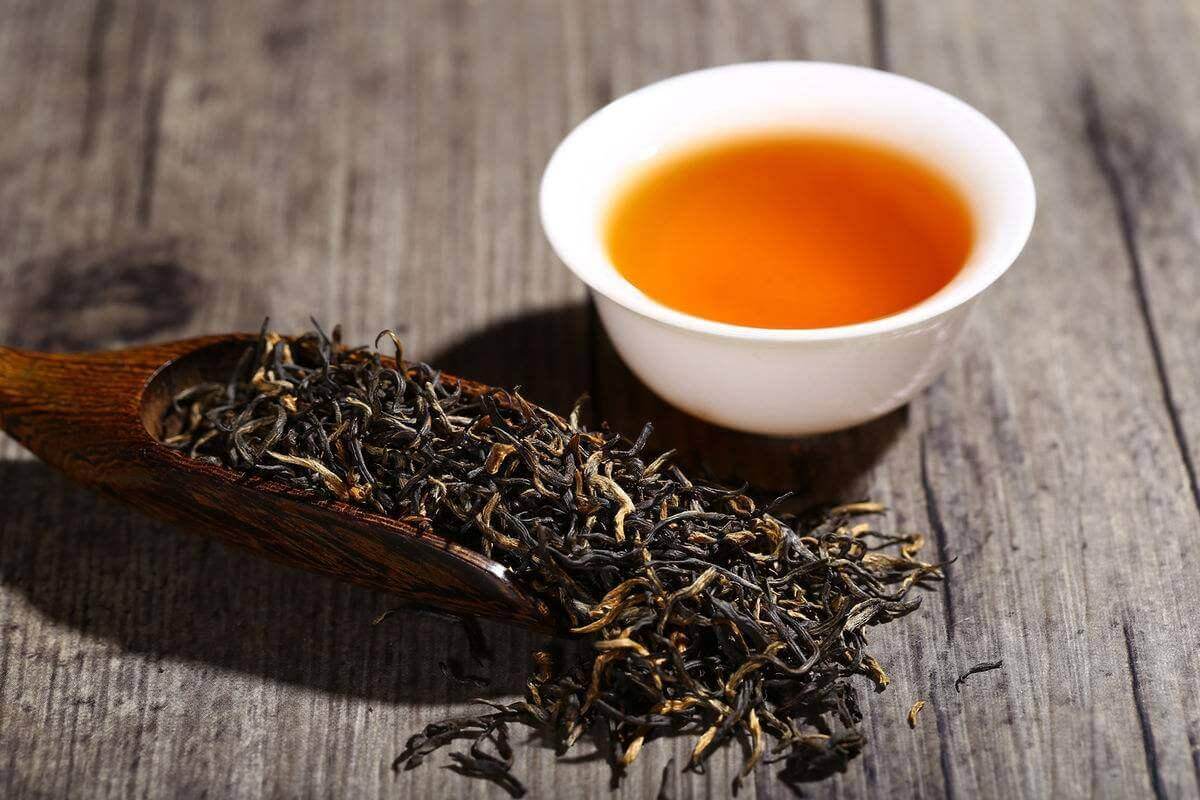
When it comes to natural strategies for managing weight and improving metabolism, oolong tea quietly stands out. This partially oxidized tea from the Camellia sinensis plant offers a unique balance of nutrients and bioactive compounds that may help support fat burning, control appetite, and promote digestive health.
Whether you're just starting your wellness journey or fine-tuning your daily habits, oolong tea can be a simple and flavorful addition to your routine.
1. It May Boost Your Metabolism
Oolong tea is rich in catechins and other antioxidants like EGCG (epigallocatechin gallate), which may stimulate metabolism. A more active metabolism increases the number of calories your body burns at rest, which could help support weight management over time.
One study found that oolong tea helped increase energy expenditure, similar to green tea, through thermogenesis a process where your body burns calories to produce heat.
Oolong’s combination of caffeine and polyphenols may create a mild, natural metabolic boost without overstimulation.
2. Encourages Fat Burning
Oolong tea doesn't just influence calorie burning it may also help your body break down fat more efficiently.
In a study involving two cups of oolong tea daily for two weeks, participants showed a 20% increase in fat oxidation compared to those given a placebo. This included fat from both food and stored body fat. Notably, this effect occurred without disrupting sleep.
Although caffeine likely plays a role, researchers suggest other compounds in oolong tea also contribute to this fat-burning effect.
3. May Help Regulate Blood Sugar
Managing blood sugar is critical not just for diabetes prevention but also for maintaining a healthy weight. Although most research focuses on green and black teas, oolong’s antioxidant content suggests similar potential.
Flavonoids and polyphenols in oolong tea may help:
Improve insulin sensitivity
Lower post-meal blood sugar spikes
Reduce the risk of type 2 diabetes over time
4. Can Help Reduce Appetite
Feeling hungry all the time can sabotage even the best weight loss efforts. Oolong tea may help regulate hunger hormones such as ghrelin and leptin possibly decreasing appetite and helping you feel full longer.
While most studies have focused on green tea, oolong’s similar compounds make it a promising option for natural appetite control. Drinking it 30 minutes before meals could help reduce overall calorie intake.
5. Supports a Healthy Gut Microbiome
The connection between gut health and weight management is becoming increasingly clear. Oolong tea may contribute to a healthier gut by feeding beneficial bacteria.
Its polyphenols, which are largely undigested in the small intestine, reach the colon where they’re broken down by microbes.
These microbes produce short-chain fatty acids compounds that help regulate fat metabolism and inflammation.
Fermented teas like oolong and black are particularly effective in supporting microbial diversity, which plays a key role in weight balance.
6. Reduces Inflammation
Chronic low-grade inflammation is often linked to obesity and metabolic disorders. Oolong tea contains polyphenols and polysaccharides that have been shown to reduce inflammation in both animal and human studies.
Lower inflammation may mean:
Improved metabolic function
Reduced fat storage
Lower risk of inflammatory conditions such as heart disease and type 2 diabetes
7. Naturally Increases Energy
With about 38 mg of caffeine per cup, oolong tea offers a moderate energy lift enough to sharpen focus and encourage movement without the jitters associated with stronger caffeinated beverages.
This energy boost may make workouts feel more accessible, helping to increase calorie burn and support fitness goals. It’s an especially useful pre-workout beverage for those who find coffee too strong.
How to Enjoy Oolong Tea for Weight Support
Brewing Tips: Steep oolong tea leaves in hot (not boiling) water for 3–5 minutes, then strain. Avoid adding cream or sugar if your goal is weight loss.
Best Times to Drink It:
Morning: Gently energizes your body for the day ahead.
Pre-workout: Offers a natural caffeine boost.
Before meals: May help control appetite and portion sizes.
Nutritional Profile of Oolong Tea
Oolong tea is packed with bioactive compounds including:
Polyphenols (antioxidants that protect cells and support fat burning)
Theanine (an amino acid that promotes focus and calm)
Flavonoids (which support heart and metabolic health)
Vitamins and Minerals like magnesium, potassium, and vitamins A, C, E, and K
Its partial oxidation gives it a unique profile more robust than green tea, yet lighter than black along with a floral, toasty flavor that makes it enjoyable without additives.
How Much Should You Drink?
While there’s no official “dose,” 2–3 cups per day is considered safe and beneficial for most people. Be mindful of your total caffeine intake, especially if you’re also consuming coffee or other teas.
Watch for Potential Side Effects
In moderate amounts, oolong tea is safe for most adults. However, excessive consumption could lead to:
Jitters or anxiety
Heart palpitations
Digestive discomfort
Sleep disruption (if consumed late in the day)
Most of these effects are due to caffeine sensitivity, so adjust your intake based on how your body responds.
Final Thoughts
Oolong tea offers a naturally supportive way to enhance weight loss and metabolic health without harsh stimulants or fad diets. By gently influencing fat burning, blood sugar control, and gut health, it can be a simple yet powerful addition to your daily wellness routine.
If you found this helpful, share it with someone you care about or subscribe to our newsletter for more evidence-based wellness insights.