- Thriving Guide
- Posts
- Effective Ways to Prevent and Treat Pad Rash
Effective Ways to Prevent and Treat Pad Rash
Simple solutions to soothe irritation, stop the itch, and prevent period-related skin discomfort before it starts.

Audrey Sawyer
February 04, 2026
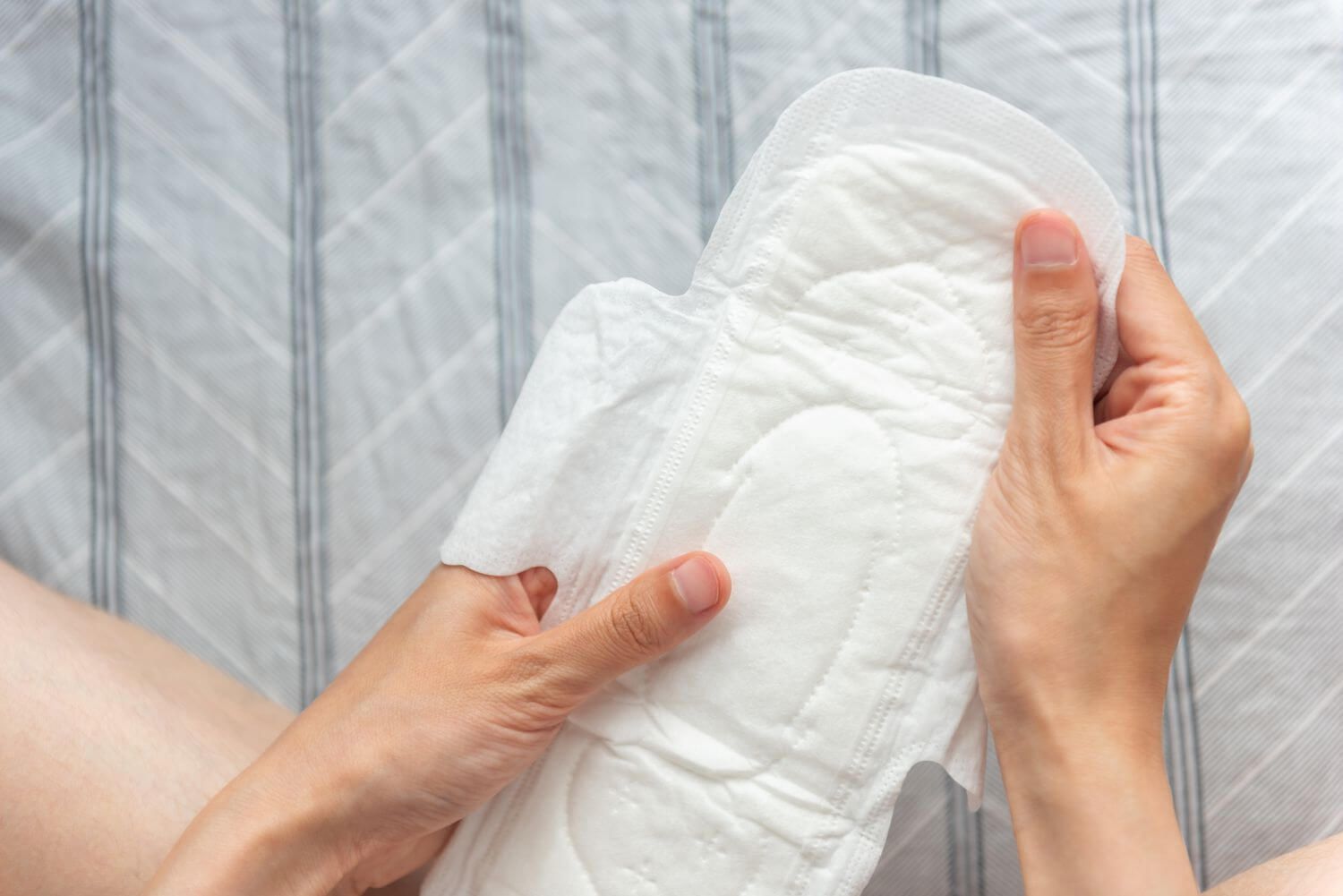
Dealing with itching, burning, or irritation during your period? You’re not alone. Pad rash is a common issue caused by friction, moisture, and chemicals in menstrual products but with the right care and a few strategic swaps, it’s entirely manageable.
Here’s what you need to know to get relief and prevent pad rash from coming back.
What Pad Rash Feels Like
Pad rash can affect the vulva, inner thighs, buttocks, or perineum (the area between the genitals and anus), and symptoms can range from mild discomfort to intense irritation. Common signs include:
Itching or burning
Redness or swelling
Pain or tenderness
Dry, scaly skin
Bumps, blisters, or sores
The skin in this area is especially sensitive due to a high number of nerve endings and blood vessels, making it more prone to inflammation when exposed to friction, heat, or irritants.
Why It Happens: What’s in Your Pad Matters
Many conventional pads contain synthetic materials, fragrances, and dyes that can aggravate sensitive skin. Disposable pads typically include:
Top sheet: The layer that touches your skin, often made of plastic or nonwoven fibers.
Absorbent core: Made of synthetic material to soak up menstrual flow.
Back sheet: A leak-proof layer, sometimes infused with fragrances to mask odors.
When combined with heat, moisture, and prolonged wear, these materials can increase the risk of irritation especially for those with sensitive skin.
Effective At-Home Remedies
If you notice itching or discomfort, early action can prevent a minor rash from turning into something more serious. Try these simple, science-backed remedies:
Cold compresses: Apply a clean, damp washcloth or a wrapped ice pack for instant relief.
Frequent pad changes: Swap pads every 3–4 hours, even on lighter days, to reduce moisture buildup.
Hydrocortisone cream: An over-the-counter option to relieve itching and reduce inflammation (do not apply internally).
Sitz baths: Soak in warm water for 10 minutes a few times a day to ease pain and calm the skin.
Cotton underwear: Choose breathable, natural fabrics that reduce heat and friction.
When to Call a Doctor
Most pad rashes heal within a few days, but persistent or worsening symptoms may signal an infection or another skin condition. See a healthcare provider if you notice:
Oozing, crusting, or open sores
Worsening swelling or redness
Fever or chills
Symptoms lasting more than a week without improvement
You might be referred to a dermatologist or gynecologist, who can examine the area, review your menstrual care routine, and run tests if necessary.
It Might Not Be a Pad Rash
Several conditions can mimic pad rash symptoms, so accurate diagnosis matters. Similar issues include:
Contact dermatitis (from laundry detergent, soap, or wipes)
Eczema or psoriasis
Yeast or bacterial infections
Intertrigo (rash in skin folds)
Autoimmune skin conditions like lichen sclerosus
STIs
Describing your symptoms clearly and noting any new products you’ve used can help your provider get to the root cause faster.
Medical Treatments for Severe Cases
If home remedies don’t provide relief, your doctor may prescribe:
Topical anesthetics (like lidocaine) for temporary pain relief
Calcineurin inhibitors (e.g., tacrolimus or pimecrolimus) to reduce immune response and inflammation
Prescription corticosteroids for more intense inflammation
Antifungal or antibiotic treatments if infection is present
Avoid scratching, as it can break the skin and increase the risk of secondary infections. A barrier ointment, such as petroleum jelly, can protect healing skin.
Why It’s Not Getting Better
If pad rash keeps returning, consider underlying or ongoing causes:
Unchanged habits: Continued use of scented or synthetic pads
Environmental irritants: Chlorine, sweat, heat, or tight clothing
Undiagnosed chronic skin conditions
Lifestyle factors: Long hours in humid environments, intense workouts, or tight leggings can trap moisture
Sometimes, a subtle change like switching detergent or staying out of chlorinated pools can make a big difference.
How to Prevent Pad Rash in the Future
Being proactive is the best way to keep skin happy during your period. Try these preventative tips:
Change pads regularly, even if they’re not full
Opt for breathable fabrics like cotton underwear
Use unscented, hypoallergenic menstrual products
Stay dry and clean, especially in hot weather or after exercising
Consider alternatives such as:
Menstrual cups: Made from medical-grade silicone or rubber, these reduce surface irritation by collecting rather than absorbing blood
Organic or fragrance-free pads: Look for cotton-based or certified hypoallergenic options
Period underwear: Designed with built-in absorbent layers, these wick away moisture without the friction of pads
Reusable cloth pads: Washable and made with gentle materials just be sure to launder them with mild, unscented detergent
How Long Does Pad Rash Last?
With proper care, mild pad rashes often clear up within 2–4 days. More severe reactions or secondary infections may take longer, potentially up to several weeks. The key is avoiding repeated exposure to irritants and supporting skin recovery with moisture control and soothing treatments.
Found this helpful? Subscribe to our newsletter or share it with someone who might need these tips.