- Thriving Guide
- Posts
- How Regular Pasta Consumption Affects Blood Sugar
How Regular Pasta Consumption Affects Blood Sugar
Not all carbs are created equal here’s how to enjoy pasta without spiking your glucose levels.

Audrey Sawyer
January 05, 2026
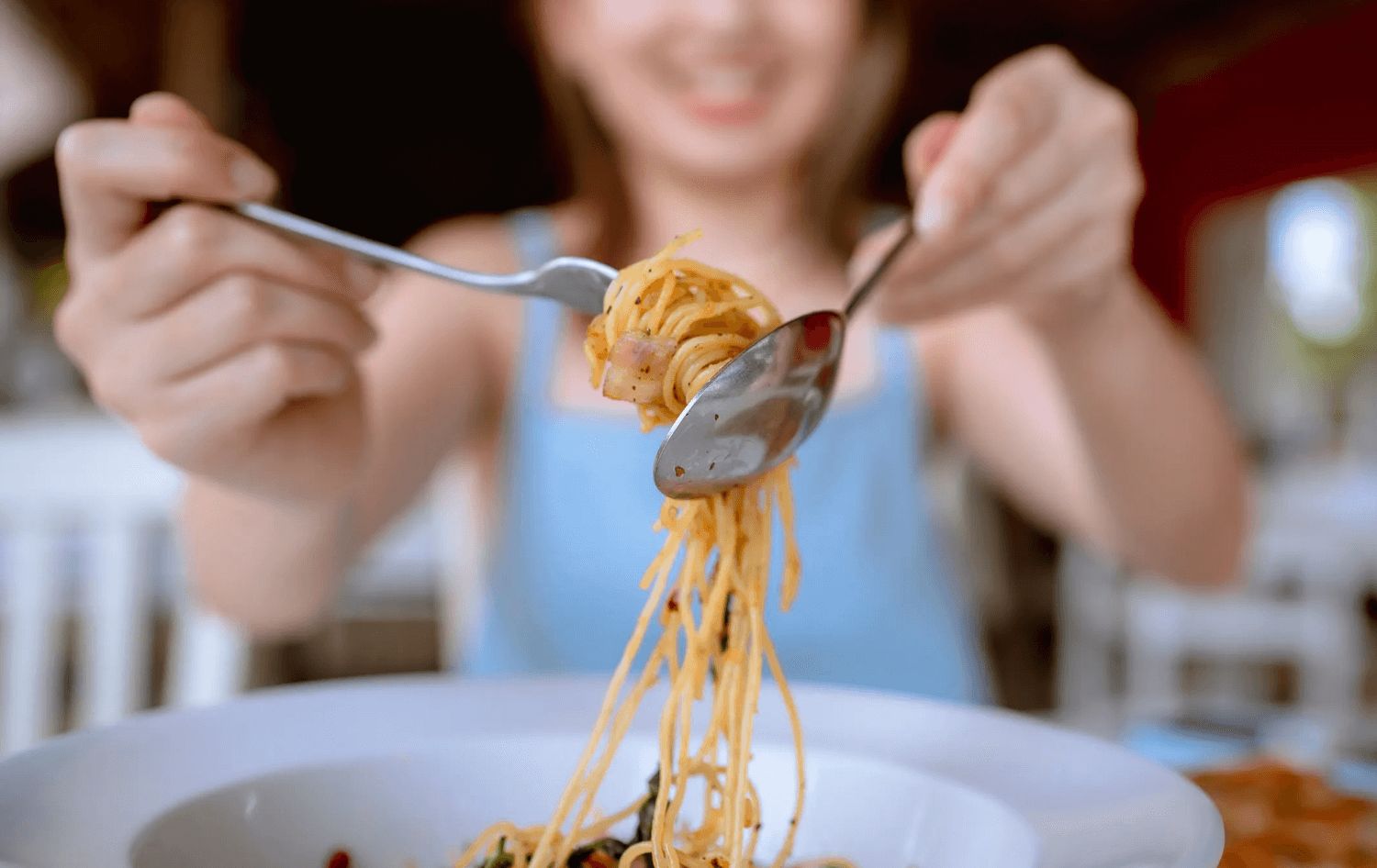
Pasta has long been labeled a “blood sugar bomb,” especially in conversations about diabetes and weight management. But the truth is, pasta’s effect on blood sugar is more nuanced than most people realize. In fact, with the right portion sizes, cooking methods, and pairings, pasta can absolutely be part of a balanced diet even for those keeping a close eye on their glucose levels.
Here’s what happens to your blood sugar when you eat pasta regularly and how to do it in a way that supports overall metabolic health.
1. Pasta Raises Blood Sugar, But It’s Slower Than You Might Expect
Yes, pasta is high in carbohydrates. But its dense starch structure makes it slower to digest than simpler carbs like white bread or instant rice. A 2019 study found that pasta led to a lower glycemic response than white rice, thanks to its compact protein-starch matrix that slows carbohydrate absorption.
That said, how much and how long you cook it matters:
Al dente pasta digests more slowly and may cause a gentler rise in blood sugar.
Overcooked pasta breaks down more rapidly and raises blood sugar faster.
Larger portions deliver more carbs overall, increasing glucose spikes.
2. Eating Pasta Often Can Affect Your Insulin Sensitivity Over Time
When you eat pasta regularly, your body must repeatedly release insulin to move glucose into your cells. Over time, frequent high-carb meals can stress the insulin response especially if you're already insulin-resistant or managing prediabetes or type 2 diabetes.
But pasta isn’t automatically off-limits. You can still enjoy it by making strategic choices:
Watch your portion sizes a serving is typically 1/2 to 1 cup cooked.
Pair pasta with protein and fiber, which helps blunt blood sugar spikes.
Choose whole-grain or legume-based pasta, which contains more fiber and protein.
3. What You Eat With Pasta Makes a Big Difference
Pasta isn’t eaten in isolation it’s usually part of a larger meal. What you put on and around your pasta can significantly affect your blood sugar response. Research shows that adding fat or protein to a high-carb meal reduces the post-meal glucose spike.
Try pairing pasta with:
Grilled chicken, fish, or beans for protein
Leafy greens, broccoli, or zucchini for fiber and micronutrients
Olive oil, nuts, or cheese for healthy fats that slow digestion
For example, a plate of plain pasta with marinara will spike glucose more rapidly than a bowl of pasta with salmon, spinach, and olive oil.
4. Leftover Pasta May Actually Be Better for Your Blood Sugar
There’s something fascinating about how pasta changes when cooled. When cooked pasta is refrigerated and later eaten cold or reheated, some of the starch transforms into resistant starch a type of carbohydrate that acts more like fiber and is digested more slowly.
This means:
Cold pasta salad may produce a milder glucose response than freshly made pasta.
Reheating pasta preserves some of that resistant starch.
Meal prepping pasta ahead of time may actually make it better for your blood sugar.
A 2019 study confirmed that cooled and reheated starchy foods significantly reduced post-meal blood sugar levels compared to freshly cooked versions.
5. Whole-Grain and Legume-Based Pastas Are Better for Glucose Control
Swapping regular pasta for whole-grain or lentil-based options can provide extra fiber, protein, and nutrients. These help slow digestion, lower glucose spikes, and improve insulin sensitivity.
Whole-wheat pasta contains more complex carbs and fiber.
Chickpea or lentil pasta is higher in plant-based protein and offers a lower glycemic index.
A 2021 meta-analysis found that increased dietary fiber significantly reduced long-term blood sugar markers (like HbA1c) in people with type 2 diabetes.
Tips for Enjoying Pasta Without the Glucose Crash
Choose al dente cooking to slow starch breakdown
Stick to smaller portions try mixing regular noodles with spiralized veggies
Use protein-rich toppings like turkey meatballs or beans
Add leafy greens or non-starchy vegetables to increase fiber
Cool and reheat pasta for added resistant starch benefits
Opt for whole-grain or legume-based pasta for a more stable glycemic response
The Bottom Line
Eating pasta regularly doesn’t have to spell disaster for your blood sugar as long as you make smart choices with your ingredients, portions, and preparation methods. When paired with fiber, protein, and healthy fats, pasta can absolutely fit into a balanced lifestyle.
If this guide was helpful, subscribe to our newsletter or share it with someone who loves pasta but wants to keep their health on track.